

Episode 1 · Guest: Charlie Levin, Munn Avenue Publishing
Charlie Levin on Why Publishing a Book Is a Legacy Item
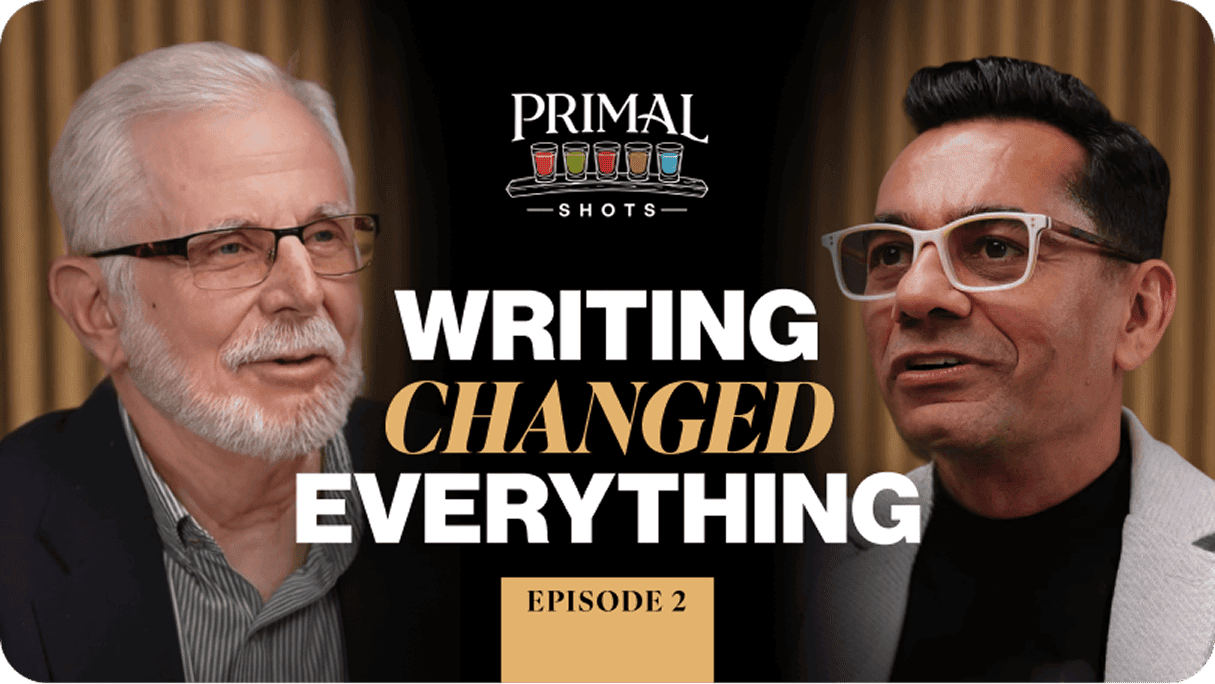
Charlie Levin has spent nearly 30 years helping authors, including Dr. Kavin Mistry himself, turn manuscripts into published books. In this episode, he and Dr. Mistry talk about the unexpected relationships a first book can create, why kindness is his top business value, and how memoirs let people live on long after they're gone.
highlights
What You'll Learn
- The morning journaling habit Charlie calls “religious” and why it sets his whole day
- Why Charlie believes writing a book creates serendipitous, unplannable relationships
- The “belief, behavior, result” cycle Charlie uses to explain sustained success
- Why Charlie considers memoirs and biographies a direct legacy item
- The story behind a terminally ill author's race to publish his memoir in time
The bitter truth is that we all have an expiration date. Publishing a book is a dream. It's a bucket list item, and we help make that dream come true.
— Charlie Levin
Listen on:




Key Takeaways
A first book changes more than a resume. Charlie's own path into publishing began only because he wrote a book first; he credits it with introducing him to people he never would have met otherwise.
1/4
Kindness is a business strategy. Charlie names kindness as his top personal value and credits it with the calm, trusted relationships his authors rely on.
2/4
Books are a legacy item, vanity aside. Charlie describes memoirs and biographies, even unpublished ones tucked in a drawer, as gifts for future generations.
3/4
You don't have to be a professional writer. Charlie's advice for anyone with a book idea: write a little every day, unfiltered, and let the editing come later.
4/4
Guest Bio
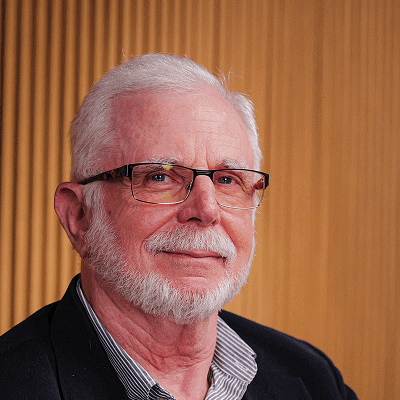
Charlie Levin
Charlie Levin runs Munn Avenue Publishing, which has helped more than 100 authors across 11 countries publish their books. He is also the author of multiple bestselling thrillers and a children's book co-written with his grandsons.
SUBSCRIBE TO ALIGNED LIFE
Aligned Life Newsletter
Discover rituals, routines, and neuroscience-backed insights in Aligned Life, Dr. Kavin Mistry’s monthly newsletter, to help your brain and body thrive together.
You'll get an archive of all past newsletters!
More Episodes and Blogs
Share With a Friend
Transcript
Dr. Kavin Mistry & Charlie Levin
00:00Welcome & Introduction
Charlie Levin:
Publishing that book changed my life. Well, there has to be some kind of berries mixed in. There has to be. There’s something a little acidic about it, too. If you have any inkling of writing a book, you don’t have to be Hemingway. You can just start writing a little bit every day. It is very good. I’m not sure what I’m tasting. The bitter truth is that we all have an expiration date. Publishing a book is a dream. It’s a bucket list item, and we help make that dream come true.
Dr. Kavin Mistry:
Welcome to Primal Shots. As we take this journey from the ground to the cosmos. And as the shots get healthier, the questions get deeper. And today joining us on this journey with us is Charlie Levin. And Charlie holds a very special space in my life because he took the vision of my book and made it a reality, and that’s how we know each other. But he and his company, Munn Avenue Publishing, has been in the business close to 30 years. He’s been in this industry and is helping multiple authors bring their vision to life. And I look forward to unpacking Charlie’s mind today and how he functions and how he’s bringing this value to authors, and he himself is a author of multiple books, including multiple thrillers which have topped the Amazon list. So excited about that and recent book I heard it’s a children’s book that you wrote with your grandsons. Yeah. So really looking forward to hear about that. So, Charlie, are you ready?
Charlie Levin:
Sure. Let’s do.
Dr. Kavin Mistry:
It. So we are going to take this journey from the ground to the cosmos, and we’re going to start with our
02:14Grounding Shot: Starting the Day with Calm
Dr. Kavin Mistry:
First shot, which is our grounding shot here. And cheers. And let’s just start with that shot.
Charlie Levin:
Yeah, that’s really interesting I’m trying to identify the. Yeah. Went on tasting. Yeah. I think there’s a little carrot in there.
Dr. Kavin Mistry:
Carrot? You got it. The hero ingredient is carrot and lemon combined, which gives the detox effect right to. Sure. The secret ingredient is the turmeric that’s in there, which gives the antioxidant properties. And, when you start your day off, it’s good to start off with a clear slate with that clarity. And the shot represents that, it gives us that grounding but also that clarity. And, one of the things, Charlie, I’ve seen in you and every time we’ve spoken on the phone or we’ve had those early morning meetings, is that I’m sure you have multiple authors sort of banging on the door early in the morning. This talking about how their manuscript is not being processed properly with this and that and a bunch of distractions, I’m sure waiting for you in the morning. And I want to know. And every time you’ve gotten on the phone with me, you’ve had such a calm demeanor, and it’s been so impressive that I almost get you. You’re on the phone and you just kind of calms me down? And you’re dealing with all these Type-A personalities and overachievers like myself. We were like, okay, let’s get this book out. Yeah, but you have this, this calmness. And so maybe unpack a little bit for us. what makes Charlie tick in terms of how do you start your day? How do you ground yourself?
Charlie Levin:
Yeah, that’s a good question. And thanks for that compliment, because I, like to think I have a calming effect on people, but, and, the publishing business? Sure. You have, occasional issues, but for the most part, we’ve got a process and it works. And, the people that I get to meet and work with, like you are so interesting and engaged. that helps, but I start my day. the first thing I do is I do like ten exercises, which are mostly stretching, but includes some yoga and, things I learned both from yoga and physical therapy. That just loosened me up. then I always like, even if it’s in the winter, to step outside for a few minutes. I live in the country. It’s quite pretty there. I usually this time of year, I’m hearing 5 or 6 different bird calls in the morning, getting a little Son. And then I go to my. I have an office in my house, so I go upstairs and, I’m, religious obsessive about writing a journal entry every morning. and that really, sets my mind in the right place. maybe in part, I’m tapping into my unconscious mind at that point, but, and it’s I just write what’s in my head, what I’m thinking about. I’ve read an interesting book recently called A Story of Alchemy about prompts for journaling. journaling, I think, is, not only sets me up for the day, but it’s really quite therapeutic if I’m anxious about something or whether it just dissipates when I can write it out. and then of course, then I’m into email and checking on various reports and turning on the rational, conscious side of myself to, move things along. I am I’ve always been very, production oriented. I like getting things done. So in that mode it’s ticking off the list, getting things done, and usually several calls. I spent a lot of time on zoom these days because we have authors in 11 countries around the world, and, they’re, super interesting. And I, would not have gotten into One Avenue Press had I not written my first book. There’s something about writing a book that leads to unexpected, serendipitous events. For example, Kevin, you and I would not have met had I not written my first book?
Dr. Kavin Mistry:
Absolutely.
Charlie Levin:
And I did not anticipate a publishing business when I wrote that first book. But by the time I was to my third or fourth book, a mutual friend of ours, Steve, said, hey, I have a copy. You’ve done so well with your books. I have a couple of authors who could use some help. Would you talk to them? So I thought, yeah, okay, let’s, I’ll do that. Let’s see what happens if I can replicate what I’ve done. for them, that might be a good thing. So in the last couple of years, we worked with over 100 authors in 11 countries, and I get to meet these amazing people. and there’s another component of that which is, for me, very satisfying and fulfilling. And that is, for most people, publishing a book is a dream. It’s a bucket list item. and we help make that dream come true.
Dr. Kavin Mistry:
I can definitely vouch for that, Charlie. Publishing that book changed my life. I can say that on many levels, because, Juan, it makes you think about everything you’ve done so far and what you stand for. And it’s such a important junction of your life where it lets you reflect not only on the past, but on the future. And I believe you live more in the present, because now you’re writing this book, and I’m sure you see that with authors, and but I just wanted to thank you that for holding my hand through the process, because it really matured me as a person. And I would say now, a couple of years after the fact. I am a different person because it started me off on that journey as an author, as a speaker. Now being on podcasts and doing what we’re doing here, it’s been a glorious journey and thank you for making that journey accessible and less frightening. as but I believe people listening to this, everybody should at some point write a book because I think it really it can change your life. If it’s the right thing for you, it can change your life. And so I don’t think people should wait. that brings us to our next shot, Charlie here. And
06:29Focus Shot: Staying Present with Authors
Dr. Kavin Mistry:
This is our focus shot. Okay. So cheers. All right. Well that is so refreshing.
Charlie Levin:
No it is very good. I, I’m not sure what I’m tasting. Maybe a little wine in there huh. and some kind of fruit, a melon or something along those lines. Maybe some kind of berry.
Dr. Kavin Mistry:
Close enough. The, the hero ingredient there is matcha. And interestingly, matcha is compared to coffee. Matcha has does have natural caffeine in it, but it has this ingredient in there called l thiamin, which is very interesting because Althea nine is an adaptogens. It helps you manage stress so you get a combination of a natural caffeine along with an adaptogens. And so it is used in eastern cultures for focused, but focus in a way that you’re not jittery, but you have that controlled focus. And hence this is the focus shot. And that brings us to our topic here, Charlie, is that, we live in the crazy world, digital distraction and, email sort of flooding us in the morning and sort of being pulled in many, directions. I’m sure you’re dealing with editors and you’re dealing with, authors and, website designers and this and that. so in that craziness, how do you find that level of focus or what? Is there a specific area that you are focusing on right now? the first is that what tools do you use to focus and is that a particular area that you’re focused on right now with everything you’re doing?
Charlie Levin:
Well, the Another good question. And I think, yeah, the, compulsion to scroll on a phone or keep looking at things and, it puzzles me in a way, but that people actually leave their phones on at night. I mean, I, silence my phone so that I, figure if anything happens in the middle of the night, it’ll It’ll wait till morning. I’m not getting up. And I used to, First thing, getting up, sit up in bed and start reading email. And I realized that my head started filling with responses that I was going to make to these emails and, and fairly recently, I decided, no, I am not looking at that email until I sit down at my desk, until I do my exercise as I step outside. I’m fond of caffeine, so I have to have my coffee and, then start so I could start the day with a pretty clear mind. And then, like you said, on phone calls and things like that, I’m totally present and totally focused. This is, like, instinctual with me. I’m not checking my screen or I’m in the call, kind of like, we’re in this conversation now. I’m not somewhere else. I’m right here.
Dr. Kavin Mistry:
I and I felt that. on every conversation we’ve had. You’ve been there.
Charlie Levin:
So that’s more reflexive than, I don’t have to fight myself to do that, but sure, certainly later in the day you get a little tired, you might drift off or whatever. and I’m, as I’m very quick on email. So in between tasks, I’m always checking my email and I like to respond right away. I think speed matters to me even though we’re slowing down or we’re relaxing and we’re on. I like getting things done quickly. And also I think people really appreciate quick responses. So, yeah, now I, have projects that were working on one of the ones I was just before I got here talking about that I’m, proud of is that like your book? We’re trying more and more to focus on books that have a greater good that can change people’s lives. So your primal health design is a perfect example of that. I’m doing some exercises from your book, by the way.
Dr. Kavin Mistry:
Good to hear.
Charlie Levin:
So I highly recommend that book, which is available on Amazon and elsewhere. But, I’m working on a book with a famous psychiatrist. We’re co-writing it on dementia and aging. but it’s targeted at the caregivers. It’s it’ll be out this summer. It’s called Until You’re in It. And we interviewed over 20 caregivers about their journey and what they wish they knew and what advice they have for others because, as and you address aging is a big topic in your book. We have an aging population. Almost everybody has a spouse, a father or grandmother, even siblings that might be dealing with, memory loss, or other issues. Extremely difficult.
Dr. Kavin Mistry:
Situation.
Charlie Levin:
So we’re hoping between the book balances these incredible, poignant, inspiring stories of caregivers who are really heroes mixed with the advice from Doctor Kenneth Robbins, who is the psychiatrist in this case, who has a different take on it, too. a lot of the books that are out there now about dementia are, how do you commit suicide if you. And his view is, how do we make the best of life under those conditions? And he’s involved even in a dementia village that they are building in Wisconsin, which is creating a town for people who are dealing with this, where they can live a fairly normal life. So I think there’s potential for books like yours and like this one to change people’s lives.
Dr. Kavin Mistry:
And I find that fascinating, especially about that town idea, because one is, the caregivers have the toughest job because it’s you’re slowly losing that person in front of you. And, so the amount of resiliency that these people have to develop is tremendous.
Charlie Levin:
And take care of themselves.
Dr. Kavin Mistry:
Exactly at the same time. Right. and I think that they, definitely need a, certainly a strong drive and meaning behind everything, to take them through that process. and for anybody who’s dealt with that, I mean, sure, they understand. what we’re talking about here. I would love to meet the that author you’re talking about because, part of my work is really helping people optimize their brain and their cognitive resilience and then cognitive reserve, because I believe that in this era, in this AI era, that’s going to play the biggest role because we’re going to literally I’m trying to help people from not losing their mind, and literally because people’s, people are sort of offloading all those cognitive tasks to AI and we’re losing those capacities, and so, I mean, that brings us to the idea that what is. the what is driving us? What is the meaning, behind our life and what we’re chasing right now. And that brings us to our third shot. And this is our,
10:29Meaning Shot: Kindness as a Core Value
Dr. Kavin Mistry:
Meaning shot. And this is, what, I call this other endurance shot. But the it’s symbolic because it pertains to what? What is, driving our life right now? What is the meaning? what is the underlying drive. And so. Cheers, Charlie. Here we go. I can’t wait to hear your your take on this shot.
Charlie Levin:
Well, there has to be some kind of berries mixed in here. There has to be. There’s something a little acidic about it too. So, like the tumeric in the other one, there’s got to be some kind of spice here.
Dr. Kavin Mistry:
Yes, you’re catching it. So it’s very good. So the. The hero ingredient here is the palm. It’s pomegranate and beets. The combination of both, which both of them combined have a tremendous benefit in terms of our cardiovascular health. And so you’ll see a lot of marathon runners will use beet juice, as, a supplement. And because that has the nitrates in there for the cardiovascular system. But the surprise ingredient you caught it, you can’t cut is the is actually a bit of cayenne pepper. And that gives it that little kick that we wanted to keep in there. But speaking about endurance, Charlie. When we do our work. And, as a leader, you’re doing. You’re managing multiple teams, multiple different facets of your business, and you’re dealing with all these types of situations, positive, negative things sometimes not being done right, and maybe people authors getting antsy and, whatnot. And maybe in your life to, dealing with issues as we talked about family issues, what is the underlying driver that you have in your life and what is sort of you’ve been at this almost 30 years. And what is the through line that is keeping you going in this industry?
Charlie Levin:
Well, it, a kind of related question that someone threw out there recently was if you had to Describe one value in your life that was the most important? What would it be? It’s related to your question. It’s slightly different. But, for me, it’s kindness. That’s my number one value, which, even little things that you can do to make people’s lives better. Makes me feel better. one of the things I love to do, which I’ve had the pleasure to do because I’m meeting so many people now, is connecting two people together that I think would benefit from meeting each other. So, for example, there is a one of our authors, Michael Lewis, who was a doctor. He was the orthopedic surgeon on the bench when the Chicago Bulls had their Championship run with Michael Jordan and Scottie Pippen and the whole crew. and, I call him my hero because he’s like, in his late 80s and he’s still writing books, and he’s traveling the world as a photographer and, just a fascinating guy. And then he’s in Chicago. And then I have another author, Todd Gustafsson, who produced for PBS documentaries on, Wildlife in Africa and wrote a book called tales from the ends of the Earth. And I thought, wow, these two guys should meet. And I introduced them to each other and they’re like, best buddies now. they go to jazz music together with Todd plays the trumpet, but they go to jazz concerts together and do things together. And so for me, like creating, those moments, helping people realize something, forming a new relationship, fulfilling a dream that. To me, that’s like the greatest driver.
Dr. Kavin Mistry:
Charlie. And, you said kindness and. And I think that really comes through in your work in a sense that for authors like myself, taking that journey, you are able to hold their hand. And I know the publishing process can be very daunting, for sure. And when I started, it was really just everything felt very foreign, especially dealing with these different platforms. Amazon and how to upload your book and how to and we’ve been on phone calls going doing this back and forth and with the designer getting the specs right and, it’s a very arduous process. But you certainly held my hand through that. And I really appreciate what your team has done through that. because I really felt that kindness, as you say. And, I’m glad you are leading with that, because it does come through in your work.
Charlie Levin:
Yeah. And the it extends to, the people I work with, too, because you worked with Lily and Kerry, and they’re really the nicest people. and, when you’re I’ve, had the experience and pleasure and challenge of working in multiple businesses. And 2 or 3 ventures ago, I hired a toxic personality Who just brought everybody down. So I think right now everybody brings everybody else up. So if you’re forming an organization or a team, having people that you love working with every day that your clients, your colleagues really enjoy, they want to engage with them, that makes a huge difference.
Dr. Kavin Mistry:
No, I totally agree. And, that actually brings us, to our next topic, which is really timely, what you just mentioned. And one of the things you said is having the right team. It’s so important. Right. And you talk about, removing those toxic elements, from, the team. It’s also important as much as having positive people. It’s also removing the negativity is just as important. And that brings us to our
14:29Tribal Shot: Removing Toxicity & Building Ecosystems
Dr. Kavin Mistry:
Fourth shot. Charlie, this is our tribal shot. You may have to stir it slightly just to sort of get the ingredients mixed in there and. So this is our tribal shot and go. Cheers. I love that one. That.
Charlie Levin:
Well it’s a little chocolaty. Okay. maybe some cocoa or something like that in there. not sure what the. There’s another element that’s sort of smoothing it all out. I’m not quite sure what that is.
Dr. Kavin Mistry:
You got the cocoa, right? So it’s organic cocoa. That’s fairly easy. The other notes are cinnamon. That’s that’s smoothing it out. And there’s a hidden ingredient in there which is the performance ingredient is maca. Maca root. And maca has important effects in terms of hormone balance. So it helps females balance their hormones. For males it optimizes their testosterone levels. And so that’s our tribal shot. And also chocolate is also very important in terms of when we’re connecting with people. we always think of chocolate in terms of having a cup of hot chocolate and sharing chocolate, during Valentine’s Day and whatnot. But that’s it’s very symbolic for the tribal element here. And it segues nicely from what we were talking about before. Charlie, you mentioned the term Ecosystem. And I love that term because as much as I, probably spent 40 years of my life chasing personal success and, really chasing being very, competitive because, that’s how the educational system is. You’re just, always fighting, through college, through medical school, through residency and trying to be the best. And I had to change that definition, because rather than being better than others, I had to go from that to being better for others. And so go from that competition to that co-creation, collaboration space. So, Charlie, maybe shed some light in terms of that idea of ecosystem, was that Idea. Always there. Did you develop that paradigm or. Or did you come to that after trial and error and realizing that true success is dependent on others?
Charlie Levin:
Yeah. It’s really. That’s an interesting topic in itself. And by the way, I really like these drinks. I think you may have to bottle them or something. I want to get rid of that.
Dr. Kavin Mistry:
We’ll have to create a five pack a shot pack.
Charlie Levin:
Yeah, I like that. And I’m feeling better. if we’re recording this sort of late in the afternoon and I got a little pick up from. I love it from this, for sure. Well, the interesting part about it. You can think about. I don’t think competition in itself is a bad thing in the right arena. when I talk about ecosystem or working with you, To me, that’s a win proposition, right? So much in our world, politically and elsewhere is a win lose, zero sum game. If I win, you lose. Right. but I’m not discarding that completely because I’m competitive, I like sports. I, I’m a semiprofessional poker player, and I express my competitiveness in that arena as ruthlessly as I can. but that’s there. it’s appropriate. And even with my friends, because we all pick on each other and enjoy that. Because that’s what you’re doing. But in life, the real world rewards the success, as you call it, comes from lifting everybody up around you. and I think that’s what makes the difference. That’s what you strive to do. And I think you found that you evolved into that role as a doctor. Clearly you initially wanted to help people, but yes, you med school is very competitive and the whole and but then something changed, something a new idea came about and somehow you got a reward from that. there’s this cycle which I thought about in many contexts, but it’s belief behavior result. If you believe something strongly enough and behave in a way that reflects it, you usually get a rewarding result, rewarding for who you’re working with, rewarding for yourself. And that result feeds the belief it’s a cycle, right? So if I say yes, I’m doing this and look at all the good things that happen, well, then I should do more of that. Right. and, that’s something I see in Ukraine all the time. And it’s something that I think sort of is naturally evolved in my, life. like, I’ve thought about a lot about this and you’ll hear people say this phrase, and I’m older, I’m in my mid 70s, and, people should have a purpose. But when you dissect that, what does that mean? And I’ve thought a lot about this over the last year. And I think what that means, the purpose is really a vehicle to social interaction. the time we’re spending together is pleasurable and life affirming. Right. The time that I spend with many of our authors and the people I work with. To me, that’s the fulfillment of the purpose. Now, yes, we’re going to produce a fantastic book, and we’re going to put our heart into it, and we’re going to sweat the details. But when it comes down to it, it’s the people that make the difference.
Dr. Kavin Mistry:
Absolutely. And, Charlie, from speaking from my world of neuroscience and longevity, every study, including the longest running study from Harvard, where they think it’s going on for 75 plus years, and they looked at all different factors that impact health and happiness for people. And they found that the number one driver, it was not necessarily the lifestyle or whether you smoked or not and exercise or anything like that. All those are important. I’m not putting those down, but what came on top was the quality of relationships. And as you were saying that, we talk about purpose and all that, but the purpose is a segue to connect with people and what I’ve seen in my life, Charlie, is that after writing my book, through your help and your team’s help, it really defined that purpose for me. But the more important thing was after that was done, it gave me a vehicle now to connect with people. And as you said, that part was more rewarding than the actual book and that accomplishment itself, and, a lot of people sort of want to get a book out from a vanity perspective and, which is fine, but I think that if you can use that book apart from the vanity aspect and say, oh, look at me, I’m so great, I published a book, but look at it as a way to define your purpose. Then I think you will attract the tribe around you, because the people will value that vision that you’ve created. And I think that has I’ve seen that happen for me. And, I wrote the book and I guess the vanity aspect lasted didn’t last that long. It was really good. I was like, oh, great, here I published the book.
Charlie Levin:
That’s a couple of days. right? It was a couple of days and I was like, hey, the book is out, okay?
Dr. Kavin Mistry:
And then you, stop looking at all the metrics on Amazon and all that, and then you say, okay, now what’s the next step? And the relationships that came out of that book, I think are much more important, I found.
Charlie Levin:
And this is not something you hear often, but because of my involvement both with writing books and with publishing. And ironically, the title of my first book is Not So Dead In. And I love thrillers, but I believe if you can entertain people first, then you can deliver a message. is that I’ve met more people and made more friends in my 60s and 70s than I did in my 20s. And you think of, oh, college, you do make good friends. And I was telling you about my friends from college, who has stayed with me. but, friends drift off over time. And if you were in a certain kind of work environment, well, then maybe you have a small group of friends there, and maybe you have some social interaction, but, By meeting so many authors and we share a journey together. So it’s, almost like we’re in the foxhole together. So we’ve shared this emotional, authentic experience. So by the time we’re done, in most cases we’re friends, assuming that there’s a good outcome and everybody’s happy. so that’s an interesting change in my life. And I think people have the opportunity to do that. I’m sure what you’re talking about, too. When my first book came out, I went to all the local bookstores and said, here’s my book, Not So Dead if you like it. I gave it to the manager or owner. Maybe you’ll carry the book in your store. Well, in general, independent bookstores love to support local authors. They all carry the book. But then, like two of the bookstore owners, became really good friends of mine and I wouldn’t have met them. That wouldn’t have happened. And they couldn’t have been nicer or more supportive. and then, it involved me in the community in the way that I hadn’t really even anticipated before. So, yeah. Yeah, there’s a lot, as they said when we first started talking, there’s a lot of unanticipated benefits to publishing that first book.
Dr. Kavin Mistry:
Right. These serendipity that follow after writing a book are just tremendous. Yeah. And, you can’t predict those, and they just sort of unfold on their own.
Charlie Levin:
And you have to be open to it.
Dr. Kavin Mistry:
And you have to be open to it for sure, And that brings us to our next shot, Charlie. And, we talked about books and maybe it’s a way of leaving something behind. And so, our
18:00Cosmic Shot: Books as a Legacy Item
Dr. Kavin Mistry:
Last shot. Charlie, here is our cosmic shot. You may have to stir it a little. Okay. All right.
Charlie Levin:
Well, this is this part of the process, right? It’s part of the process. Yeah. It’s just that we.
Dr. Kavin Mistry:
I want you to experience all the ingredients, and so. Well, cheers. Cheers. This is the healthiest shot.
Charlie Levin:
It’s good. Well, it tastes to me like there’s some celery in there. Maybe. For one thing, there’s a flavor. I know, but I can’t articulate it. I’ll try again.
Dr. Kavin Mistry:
Go for it.
Charlie Levin:
And I don’t know. It almost tastes like, lemon zest or lime zest in there. So that’s
Dr. Kavin Mistry:
A good pickup. You’re picking up the bitterness in there from the zest. And so the star ingredient there is bitter melon. right. And it’s used in eastern cultures because bitter melon has a lot of benefits in terms of blood sugar control. And but it’s bitter and that’s our cosmic shot. And I wanted to introduce that bitter element, because the bitter truth is that we all have an expiration date, right. And that brings us to the question that, if the bitter truth is that we all have an expiration date. What is it that we want to leave behind? How are we? Functioning in the world today so that we are never forgotten? And one way. It’s interesting that we were talking about this today. Some people view books and writing as a way to immortality, because you can perhaps put yourself in the book and leave it for the world. And do you view books that way? Do you feel that authors use the books as a way to gain that immortality?
Charlie Levin:
Well, I don’t know if they well, maybe they do in a way. Think about it that way, because we’ve published a number of memoirs and biographies, which are pretty directly this is a legacy thing, but almost all of the memoirs or biographies we’ve published, have a lessons learned. So, for example, we published a book recently called I Should Not Be Here by Karen Gerson, and she struggled with trauma, abuse, OCD and somehow came out the other end. and she wrote the book. It was difficult, but her children said, oh, we had no idea her classmates that she went to school with. She was an a student and achiever. We had no idea. so I think books almost in any format or are a legacy item. I think about this often. I wish I could read something my grandfather or grandmother wrote. There’s nothing. And even though I write thrillers and fiction, although you did mention I have a children’s book that I. I was inspired by my twin grandsons and actually they collaborated on the story with me. and I had to write it down and I found a wonderful illustrator. Although there is a drawing by one of the boys in the back. But, that’s something I think they’ll always remember. But my thrillers, even there’s so much of me in the stories that, it’s someday my grandkids, when they’re old enough, will read them because they are there are adult books and there’s some nasty things happen. There’s a very bad villain. we’ll say, oh, well, that’s what my crazy grandfather was like. and they will in a way know me through my books long after I’m here. And then hopefully the people that I’ve helped publish their books and realize those dreams. We had an author last fall who had stage four cancer, and he had he wrote a memoir, and his goal was that book be published while he was still here.
Dr. Kavin Mistry:
Wow.
Charlie Levin:
And it’s a wonderful book. The author’s name is Robert Fuller. He grew up in Vermont. He started successful restaurants. He drove his motorcycle across the country. He lived a crazy, wild life through the 60s and 70s. So it’s kind of a chronicle of that time as well as his life. And we hustled to get it done. And last fall we were able to publish the book. And he lived. He had it in his head. He was going to write more, but he only lived like 2 or 3 more months. Like two months ago, he finally passed away. but his wife shared how meaningful that was for him. And for us to be able to give that gift was very gratifying.
Dr. Kavin Mistry:
I love that, and I think for myself, Charlie, the book was a way to leave some of those lessons that I’ve learned behind in the pages. And I could talk about it. My experience growing up in Africa, my heritage from my woodworker family and, using all of that. And these are things that, you really don’t get a chance to tell people. But I could relay through the pages of the book. And so for me, it’s a way to pass it on. And so that when people sit down, they can maybe live that history, in those pages.
Charlie Levin:
Well, a key thing to convene is that you’re a wonderful storyteller. Had your book just been, oh, have this, have that and be healthy. No one would be interested. But you put a context around it. your experiences and kanya, your experiences growing up, your family, people love stories. I’m all about stories. And if you can tell a really good story, then I’m along for the ride. And in books. I don’t care what the genre is. The number one thing is people have to want to turn the page. If you don’t want to turn the page of the book, well, then all is lost. There’s no point. So it can be a fiction thriller. It can be primal health design. It can be not so dead if you don’t want to. If you don’t want to turn the page, you’re lost. and your book is a page turner. And I think in large part it’s because of the stories and then you apart. In part, what you’ve learned and how it could benefit me and the other people who read the book. and we try and instill that and kind of make sure that happens with the books that we collaborate on.
Dr. Kavin Mistry:
Thank you for that input. Love to hear that. So, Charlie.
24:05Closing & Advice for Aspiring Authors
Dr. Kavin Mistry:
As we wrap up here, first, you survive our journey from the ground to the cosmos. I hope you enjoyed the shots.
Charlie Levin:
Absolutely. More than I expected. They were quite delicious. I mean, and healthy, I’m sure. And healthy. Absolutely. They were quite, good. I probably finished them off when we’re. Done with them. I could give you something to take home. So, Charlie.
Dr. Kavin Mistry:
As we Leave the listeners here and, looking back and talking about things that are falling to the wayside right now in terms of people’s, focus, presence and maybe that sense of legacy, your perspective as somebody being in the publishing industry and somebody wants to sort of engage those elements. What would be the one message you could give them? What is something that the listener could work on now, to maybe bring some of that clarity, some of that purpose, some of that legacy element that we talked about in their life.
Charlie Levin:
Well, I would say and I do some live events throughout the year for, my books that I’ve written, and I’m surprised by the number of people that come up to me and say, oh, I have this idea for a book, but they don’t. write it. I met a wonderful woman who runs a library system in Somerset County, and she’s got ten manuscripts in new Jersey and never, didn’t publish them. So if you have that any inkling of writing a book, you don’t have to be Hemingway. You can just start writing a little bit every day. Now, for me, writing in a journal gets me going. So if I want to write that day, I’m going to be in a frame of mind after I do it and non-judgmental. Just write it. Get it down. You can always go back later and edit it or share it with us, and people will help you because it is a team effort to get this book out there. But unfiltered. Just get it out there. Share those things, some of which may be vulnerable or feel a little uncomfortable. Nobody has to read it right away. we published a book for a wonderful author. and it was a business book, a business parable. Terrific book. but for 4 or 5 years, his he helped his wife through a very challenging cancer journey, and he wanted to write it down. She didn’t want the book out there. But I said, what? Write the book. Put it in the drawer someday. Because it’s close to you right now. Somebody’s your kids, your grandkids. Maybe even she’ll change her mind, but it’s fresh in your mind. Write it down and have it. And that’ll be a legacy item for that family.
Dr. Kavin Mistry:
Wonderful. That’s incredible. And if they need help, Charlie, they can call you. And you can hold their hand like you held mine. And. But I’m just very grateful for everything you’ve done, Charlie. And all the support that I’ve gotten from on Avenue Press. like I said, writing a book and change your life. And it has certainly changed mine and has introduced me to a whole different world of, being an author and a public speaker and, just enjoying this journey now and enjoy being with you today. And, but looking forward to more projects that we can work on together. Oh, I.
Charlie Levin:
Hope we do. Thank you for inviting me. And, joining you on this new adventure and journey that you are launching here. I think people will really enjoy it. and the drinks are quite good, too. I’d love to hear that. And I’m at Mun Avenue. Press comm if anyone wants to get Ahold of me and UN Avenue, press comm. And we will. put all.
Dr. Kavin Mistry:
The, website details and, details of the, your, services in the podcast as well. So thank you, Charlie.
Charlie Levin:
Thank you.