
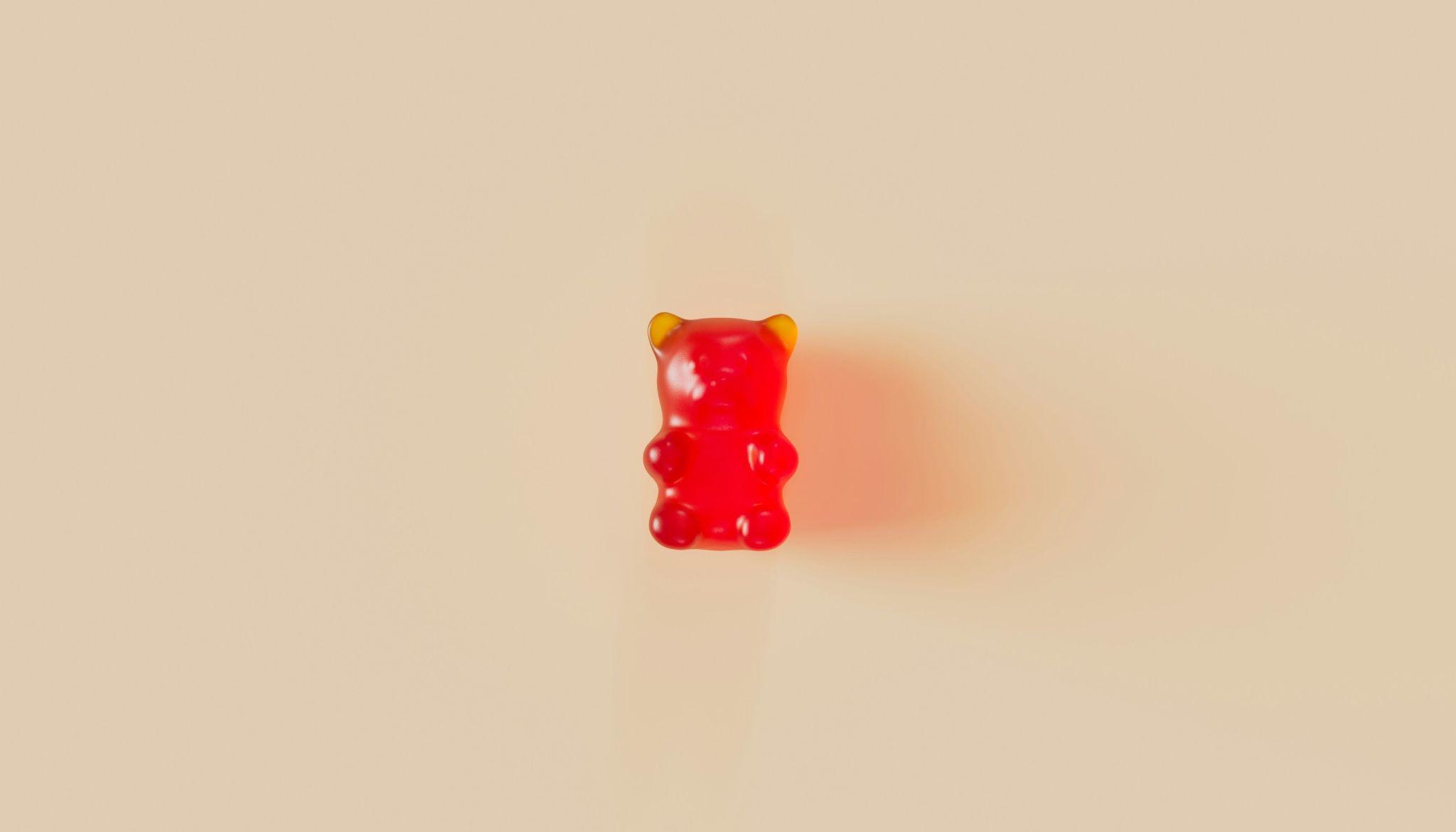
Food as Fuel, Not Just Flavor
When I think about food, I don’t just think about taste. I think about how every bite carries information. In my book Primal Health Design, I describe food as more than calories: it is a signal that shapes metabolism, immunity, and even cognition. Food can either reinforce health or slowly dismantle it.
In the Primal Reset Program, we emphasize that food should connect us back to what our bodies recognize as fuel. Whole foods (rich in color, texture, and natural compounds) are designed for us. Additives like pure Red 40 are not. They are recent inventions, created to make food more appealing to the eye, not the body. This difference matters.
Why was Pure Red 40 restricted?
Pure Red 40, also known as Allura Red, was restricted across Europe after research linked it to behavioral changes in children and potential inflammatory effects. In the U.S., it remains widely used in cereals, candies, sports drinks, and snacks. The science is not always black and white, but the trend is clear: artificial dyes have no nutritional benefit and carry possible risks. Removing them is one of the simplest ways to reduce the daily burden on your biology.
What is Pure Red 40 made of?
Pure Red 40 is a synthetic dye produced from petroleum-derived compounds. It belongs to a class of azo dyes, which provide bright, stable color. While this may make food look more appealing, the body does not see Red 40 as nourishment. Instead, it must metabolize and eliminate it, adding to the detoxification load of the liver and kidneys. Over time, these compounds accumulate as part of an invisible burden our ancestors never had to face.
What are the health concerns associated with Pure Red 40?
Scientific research has raised concerns in several areas:
- Behavioral effects: A 2007 study in The Lancet showed that children consuming artificial colors, including pure Red 40, experienced higher levels of hyperactivity.
- Gut and immune impact: A 2022 McMaster University study found that Red 40 disrupted gut barrier function and promoted inflammation in animal models.
- Allergic responses: Though rare, some people report rashes, migraines, or respiratory irritation after exposure.
In Primal Health Design, I explain how inflammation accelerates biological aging. Artificial dyes feed that inflammatory fire. When we remove them, we aren’t just avoiding risk, we are actively creating the conditions for resilience and vitality.
What foods contain Pure Red 40?
Pure Red 40 is one of the most common additives in the American diet. You’ll find it in:
Category | Examples |
Cereals | Cap’n Crunch Berries, Froot Loops |
Sports drinks | Gatorade Fruit Punch, Powerade |
Yogurts | Yoplait Strawberry, Go-Gurt |
Candy | Skittles, Starburst, Twizzlers |
Processed snacks | Doritos Spicy Sweet Chili, Jell-O |
Nutrition bars | Children’s chewable bars, some protein bars |
This list is not exhaustive. What surprises many people is that Red 40 shows up in vitamins, toothpaste, and even so-called health foods. Awareness is the first step in reducing exposure.
Does Pure Red 40 cause cancer?
There is no conclusive evidence that pure Red 40 causes cancer in humans. However, certain azo dyes can break down into metabolites that raise concern in laboratory settings. While scientists continue to investigate, the key question is whether we should accept unnecessary risk when safer, natural alternatives are available.
From a healthspan perspective, avoiding synthetic additives is a straightforward decision.
Foods Without Red Dye 40
For those who want to reduce exposure, there are many foods without Red Dye 40. Choosing dye-free alternatives means reading labels carefully and seeking products that use natural colorants instead. Safer options include:
- Beet juice concentrate
- Turmeric
- Annatto extract
- Paprika and carrot juice coloring
- Purple sweet potato extract
These colorants not only make food visually appealing but also bring antioxidants and phytonutrients with them—compounds that heal rather than harm. This is the essence of the Primal Reset philosophy: food should both nourish and inform the body in ways that sustain health and energy.
Want to Learn More?
Eliminating pure Red 40 is one step in designing a healthier life. The deeper work is understanding how all aspects of diet, movement, and mindset shape the way we age. In Primal Health Design, I explore the Seven Paradigms that reconnect us to food, nature, and purpose. In the Primal Reset Program, I walk you through daily practices that make this transformation real.
If you want to go beyond removing harmful additives and begin building vitality from the ground up, explore our Aligned Life Blog:
Or, begin your own journey by reaching out here. The path to longevity is not about restriction, it is about reclaiming the design your biology was made for.
FAQ
Q: Is pure Red 40 safe in small amounts?
A: Some individuals tolerate it without obvious symptoms, but for those with behavioral sensitivities, gut issues, or autoimmune conditions, even small exposures may have measurable effects.
Q: How can I know if a product contains pure Red 40?
A: Check the label carefully. Look for “Red 40,” “Red 40 Lake,” or “Allura Red AC.”
Q: Are there foods without Red Dye 40?
A: Yes. Many brands now offer dye-free alternatives that use natural coloring agents. Choosing foods without Red Dye 40 helps reduce inflammatory triggers and supports overall health.