

Guest: Markus Kaulius, founder of Five Talent Capital and author of Play a Bigger Game
Markus Kaulius on Playing a Bigger Game: Purpose, Tribe and Legacy
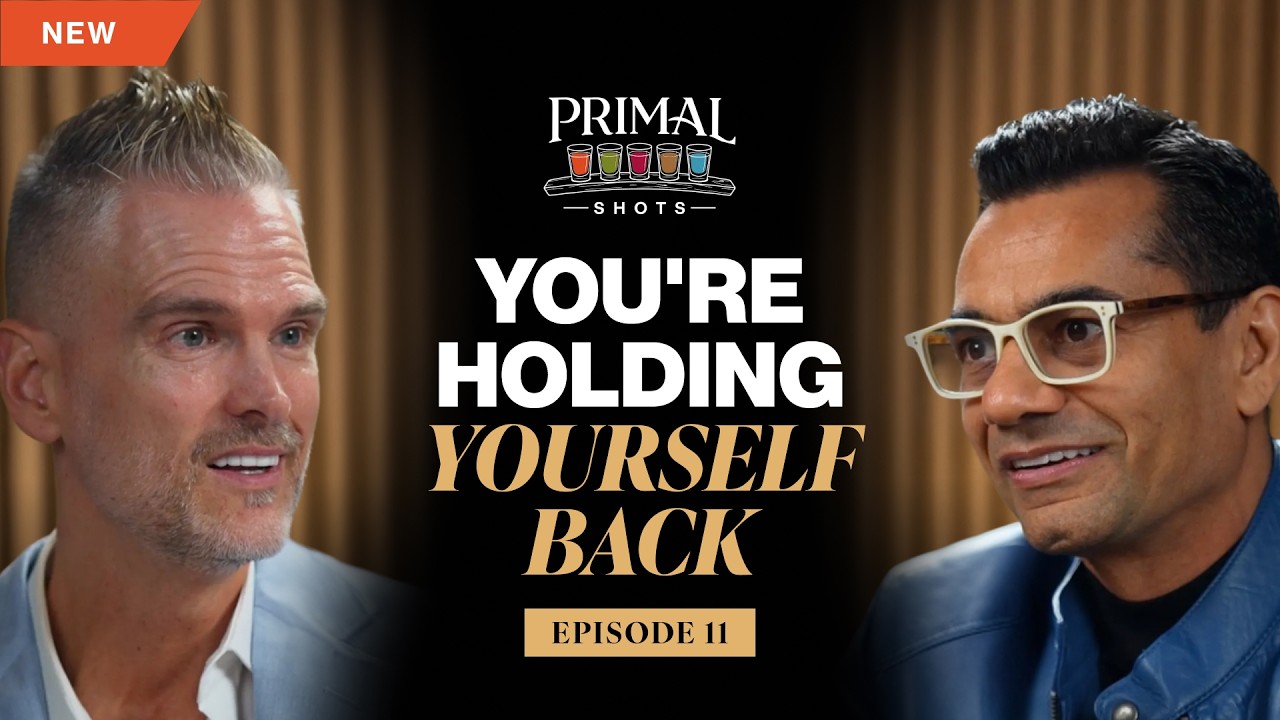
What does it take to stop disqualifying yourself and start playing a bigger game? Entrepreneur, investor and author Markus Kaulius joins Dr. Kavin Mistry on Primal Shots to talk about the habits, relationships and sense of purpose behind a life that reaches beyond personal success. Markus shares why he keeps his phone untouched for the first 30 to 45 minutes of the day, how he went from a 120-pound teenager with no confidence to building his life on consistent habits, and why the people we spend time with shape who we become. Along the way, he and Dr. Mistry explore the space between a thought and a response, how to move relationships from transactional to transformational, and why the real legacy is helping others see the light rather than pointing it at ourselves.
highlights
What You'll Learn
- Why Markus keeps his phone off for the first 30 to 45 minutes of the day, and what he does instead
- How the breath creates a gap between a thought and your response, and why loosening your grip works better than trying to let go
- Why Markus’s focus at 15 was building habits rather than chasing a seven-day transformation
- Where to start if you want to play a bigger game, and why the first obstacle is the list of reasons we use to disqualify ourselves
- How to elevate the five people you spend the most time with, make “deposits” in relationships, and send a video message instead of a text
A lot of us, we say we want to play a bigger game, but then we immediately disqualify ourselves.
— Markus Kaulius
Listen on:




Key Takeaways
The first 30 minutes set the tone. Markus waits 30 to 45 minutes before touching his phone, using that time for prayer, exercise and breakfast so that he, not his inbox, decides how the day begins.
1/4
Awareness creates a gap. Dr. Mistry describes anchoring to the breath and witnessing thoughts to create space between stimulus and response. Markus adds the tennis-ball image: you don’t have to let go of a worry, you only have to loosen your grip.
2/4
A bigger game starts with the mind, then with action. Markus argues that most of us disqualify ourselves with a list of excuses, and encourages one immediate step, even a single workout, to prove to yourself that you take action.
3/4
Your tribe shapes who you become. Markus’s “average of your five” idea and the “deposits before withdrawals” approach to relationships connect with Dr. Mistry’s perspective that a sense of tribe brings security, and that serving others may matter more than any single wellness tactic.
4/4
Guest Bio
Markus Kaulius
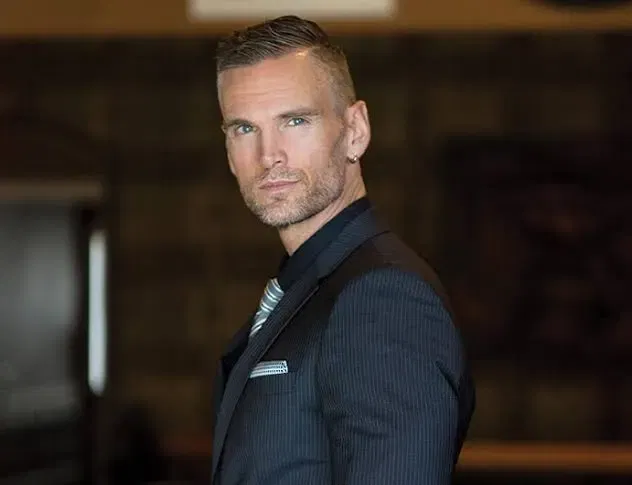
Markus Kaulius is an entrepreneur, investor and author, founder of Five Talent Capital and co-founder of Play a Bigger Game. His book, Play a Bigger Game, explores how to move beyond career success toward a life of purpose, fulfillment and impact. In this conversation he shares his morning routine, his physical transformation, and his approach to relationships, parenting and legacy.
Resources
SUBSCRIBE TO ALIGNED LIFE
Aligned Life Newsletter
Discover rituals, routines, and neuroscience-backed insights in Aligned Life, Dr. Kavin Mistry’s monthly newsletter, to help your brain and body thrive together.
You'll get an archive of all past newsletters!
More Episodes and Blogs

Share With a Friend
Transcript
Dr. Kavin Mistry & Markus Kaulius
00:00Welcome & Introduction
Markus Kaulius: A lot of us, we say we want to play a bigger game, but then we immediately disqualify ourselves.
Dr. Kavin Mistry: It’s so fundamental to your health, and it’s the most overlooked aspect that we don’t think about because we’re so consumed with living longer.
Markus Kaulius: Okay, I’ve hit rock bottom, and I’ve done 15 years accepting being a victim. And this is something I wish someone told me earlier in my days, because I would have moved up so much faster. The simplest question a kid can ask is, you know, “Why didn’t you do more?”
Dr. Kavin Mistry: Welcome to Primal Shots. As we journey from the ground to the cosmos, and as the shots get healthier, the questions get deeper. Today we have Markus Kaulius. He is the founder of Five Talent Capital and author of the bestseller Play a Bigger Game. Markus, you ready to roll?
Markus Kaulius: Brother, I’m so excited to be here. I see these shots lined up. I’m all hopped up and ready for a great day with you. And I just want to say thank you. I love hanging out with you, man. You are super inspirational. I love seeing you in your element. I love seeing you as a father. And by the way, the setup from day one, I’ve said, is spectacular. Couldn’t wait to be on your show. So super honored and blessed to be here.
Dr. Kavin Mistry: Glad to have you in New York City. I know we made yesterday very special for you. How was that?
Markus Kaulius: That was ridiculous. It was such a true New York experience, getting to hang out with the Dons and to be on the podcast. Being on the podcast was so special, but the few hours beforehand was my favorite. Spending time with you, Don Junior, just being in the jazz and experiencing New York the way I think New York should be experienced. That was so cool. Thank you for that.
Dr. Kavin Mistry: Awesome. Well, we’re going to make it even more special now. So Markus, let’s dive in. This is our grounding shot. As we toast and dive into this, I want you to think about, with everything you’re doing, how do you ground yourself in the morning to make an impact?
Markus Kaulius: Cheers, brother.
02:33Grounding Shot: Morning Routine, Presence & the Gap Between Thoughts
Markus Kaulius: I love this question, especially because morning is, in my opinion, the most important time of day to ground yourself and prepare yourself for the day. You and I had this conversation yesterday, but I’m going to say it again anyway. You have to stop touching your phone in the morning. In my opinion, 99 out of every 100 people, the first thing they do is grab their phone and let their phone dictate how their day is about to go. And what does it tell you every time? There are fires to put out. We check emails, we check social media, we check news, and all these things go, “Ah!” This is the day you should have. What a terrible way to start our day. And I know you and I agree on this. I don’t look at my phone for the first 30 to 45 minutes, minimum. No checking emails, no checking texts. That gives me enough time to decide how that day is going to go. So I start in prayer. I dedicate the day to the Lord and say, “God, what do you want from me today?” I get my exercise in. I get my good breakfast in. And even still, I haven’t checked my emails, because when I finally check my emails, now I’m in control. Now I’m the one who dictates. So even if there are fires, you’re in a better place. It’s going to be okay. You’re ready for that. And I think this is so important, and you and I agree on this too: get some exercise, get some movement, anything in the morning so that your body is ready, your mind is ready, you’ve got blood flow going. I mean, I’m talking to the brain man here. But prepare yourself to give yourself the best chance at a great day.
Dr. Kavin Mistry: Excellent, Markus. One of the things we talked about, and you mentioned prayer, is that it doesn’t necessarily have to be prayer for everybody. It may be a moment of silence, it may be meditation. And when we keep doing that, that practice deepens. Have you noticed your morning routine deepen over time?
Markus Kaulius: Absolutely. I think everybody can agree that the first time you try meditation, or just to be in silence, or in prayer, your brain is going, “Yeah, but we have so much to think about.” And if you’ve tried it for six months or a year, you’re like, “I’m a little bit more calm, a little bit more calm.” So absolutely. And I love that space to be able to just quietly experience and calm down. We were talking about this yesterday as well, this idea of what happens when the thoughts come into your head. There’s this beautiful practice that someone taught me at some point, which is just: thoughts are going to come into your head and you don’t have to blame yourself. “Oh yeah, I have to take care of that.” I just say, “Oh, there’s a thought. Thank you, but not right now.” And just let them pass through. And eventually you’ll get calm enough to experience what you’re supposed to experience in that moment, which is some calm and some peace. And I love what you said yesterday: it’s not about what you experience in that 10, 20 or 30 minutes. It’s about how it changes the other 23 and a half hours of the day. That is profound, and that’s really the truth, and you and I really get to experience that. We’re setting ourselves up for the whole day to have that great day.
Dr. Kavin Mistry: Absolutely. And one of the things, Markus, to answer the question you raised yesterday: what do we do with thoughts that come in when we sit down in prayer or in meditation? The best technique I’ve found for myself is to find something you can anchor to that is in the now. And what is in the now? Your heartbeat is in the now. Your breath is in the now. For a lot of people it’s very tough to be aware of your heartbeat, but you can be aware of your breath very easily. And when you’re aware of your breath, that puts you in the now. Thoughts will come, but you can stay with the breath and be a witness to the thoughts. A lot of people get frustrated with meditation because when you sit down, you see how much of a monkey mind you have. But when you learn to be a witness to that monkey mind and those thoughts, it creates a space between the stimulus, which is the thoughts and everything coming in, and your response to it. You realize, “Okay, here’s the thought that’s coming in, but there’s this space where I get to decide what I’m going to do with it.” Most of the time, we just get carried away with the thought. If it’s an anxious thought, or something you’re worrying about, now you’re in it. Now the emotion follows the thought, versus saying, “I’m going to be a witness to it. Here’s an anxious thought, but I’m going to stay in the now.” And for me, I’ve found that helps later in the day. If I meet you on the street and you yell at me for some reason, that’s another stimulus, but I have a choice in how I respond to you. I have that gap. And that gap is the power. That’s just helped me along the way.
Markus Kaulius: That’s really beautiful. You just reminded me of something else I’ve learned recently that aligns with what you said. It was said so definitively to me: anything we are anxious about is something we’re thinking about that’s out of our control. You go, “Is that really true?” And it’s been my experience that it’s absolutely true. The anxious thoughts are things we’re trying to control that we have no way of controlling. So I’ve added something to my practice: think about how hard you’re gripping something. “This is the thing I’m worried about. I’m thinking about it constantly.” And I think we all know what we’re talking about. The author gave such a beautiful analogy of holding a tennis ball. You’ve got it gripped like this. For you to let go of this tennis ball, to be like, “Oh, I’m free of it,” can be very hard for people. “I just can’t let go of it.” But the truth is, you don’t actually have to let go of it. You just have to loosen your grip, and boom, it’s dropped. All you had to do is loosen your grip. And so loosening the grip for me is to say, “I have no control over this. I’m going to try and focus on something I have control of right now.” And what you said, I love: how about your breath? You have control over your breath. If you’re really focusing on that breath, you don’t have room for the other thoughts. And if you can do that for 5 seconds or 10 seconds, that might be all it takes to loosen the grip, and you go, “Oh, that’s really good.”
Dr. Kavin Mistry: Yes. And that gives you that gap. There it is. That’s where the power is. You mentioned having that ability to let go of things that are not in your control, and that brings us to our second shot here, Markus. This is our focus shot. One of the things you have been through is a physical journey, starting off as a teenager struggling with things physically. Let’s discuss what your focus was during that journey that got you out of that rut. So here’s to the focus shot.
10:24Focus Shot: Habits, Confidence & Showing Up as Your Best Self
Markus Kaulius: Cheers, brother. Focus up. These are delicious, by the way. I love this. So my first focus: I was really skinny. I know you know my story, but for anybody who hasn’t heard it yet, I was 6’4” and 120 pounds. People look at me right now, it’s almost 100 pounds off of this frame. That’s crazy. I knew I wanted to change because I had no confidence and no self-worth. And the first thought I had was, “I want more confidence and I want a better physique.” So what’s in my control? I can start working out. I can create the habits that will create a better physique. Where a lot of people get tripped up is, “I worked out for a week and I don’t have a better physique.” This is not about how much you can change in 7 days. This is about creating the habits that will make change over time. That’s not just for your body; that’s absolutely everything in your life. So for me, I was like, I need to learn how to work out properly, and I’m going to hit the gym five days a week, no question. And I’m going to start eating better, and I’m going to keep learning what it means to actually eat better to develop the body that I want. I’m Mr. Consistency. I’m so grateful that I got to learn this at a young age: nothing changes overnight. Things take so much time. But if you create the habits and make sure those habits are there, you will gain the benefit of those habits long, long term.
Dr. Kavin Mistry: I like it. And what was the destination you were headed for? As you were transforming yourself, did you have a destination in your head, “This is what I want to look like,” or was it more about how you wanted to feel about yourself?
Markus Kaulius: It’s such a profound question. Remember, I’m 15 at the time. So if I’m going to be honest with you, I’m thinking of girls. [laughter] I would love to say it was this righteous, “Oh yes, I’m going to be a better leader,” and blah blah blah. No, I was thinking the girls are going to notice me. I grew up in a time with these men on the silver screen. Wow, that really dates me to say “silver screen.” Movie stars and TV stars, where they carried themselves like this and they had muscle on them and girls were attracted to them. So I was like, I want to look like that, and I will probably get those same results. So that’s where it started. And then from there, what I recognized was even more important than “I’ve got this physique and it gets me noticed” is how it makes me feel. One of the most important things about that transformation for me is that what I see in the mirror, I like. I wish other people got to experience that more often. There are very few people on this planet who look in the mirror and go, “I like what I see.” Imagine how much that changes your day. And please, people, don’t hear this as egotistical. I’m sorry if it comes off egotistical. Please forgive me and give me mercy. But the truth is, I want you to look in the mirror and go, “This guy can make a difference in this world.”
Dr. Kavin Mistry: Yes. And it’s not about finding the superstar in the mirror, but that you want to make sure you’re the best version of yourself and living up to that potential.
Markus Kaulius: I love that you’re highlighting this. I got a lot of this from Michael Jordan when I was young. He always talked about how to show up as the best version of myself. And of course, we were talking about Tony Robbins, who’s been a mentor and friend of mine for 32 years. He would always say, show up as your best version. Well, if I’ve got extra weight, or I’m eating such unhealthy foods that they slow me down, and we all know what we’re talking about. We were talking about cheese yesterday. There are very few people who can eat cheese and then go, “Oh, I feel my best.” Cheese slows our system down and makes me feel lethargic. So I’m one of those people who’s like, well, then why would I have cheese? And don’t get me wrong, I have treat meals. Once in a while you will see me with a piece of pizza or something. But for me, I was like, I’m going to eliminate that so I’m a little closer to showing up as my best version today. And I like to think about what Michael Jordan says over and over, which is: if I want to be the very best, I have to do everything as the very best. I have to eat right. I have to sleep right. I have to take the right supplements. I have to treat my mind and my body right all the time, because if I show up as my best self, I’m going to have the best chance at changing other people’s lives.
Dr. Kavin Mistry: Yes. And that one focus changes all the other things you focus on right away. I’ve seen that in my life as well, and it’s nice to hear you echo the same concept.
Markus Kaulius: I see that in you, brother. I see you.
Dr. Kavin Mistry: I appreciate that. Markus, that brings us to our third shot. This is our endurance shot. I’ve seen you go through your fitness journey, and now you’re building different companies, chasing different investments. As we toast to this shot, what I want you to think about is: what is that underlying driver behind all of this? What is the through line? What keeps you going and gives you that endurance in that stretch? So, cheers.
20:25Endurance Shot: Purpose & Where to Start Playing a Bigger Game
Markus Kaulius: Cheers, brother. That’s my favorite.
Dr. Kavin Mistry: That one has a bite.
Markus Kaulius: I love the bite. I love beets. I’m a huge fan of Dwight Schrute and Schrute Farms. And I love this question, by the way. Truly, the through line for me is: what was I put on this planet for? This is what I wish more people would ask themselves. This is actually what my book is for. If you feel like you should be playing a bigger game in life, one, the answer is yes, you should. What would that look like? And what do I have to do to become the version of myself that can play that bigger game? As you know, I’ve had some really cool success in my business career. I’ve gotten to exit a few companies, and I’m in this beautiful place in my life where, guys like you and I, we don’t really retire. [laughter] So I really get to create a schedule and a calendar that I love. I love looking at my calendar and going, “There’s nothing on here that I don’t love.” And that excites me. So what do I fill my calendar with? I surround myself with the right people who excite me, who are elevated, people who aren’t necessarily where they want to be. I mean, who is? We’re all striving for more. But I see in them coachability, or being drawn to elevate their lives, ultimately so we can make a bigger impact on others. That’s really what this is about. In my younger years, and I think most people would agree, we act very selfishly. How do I get ahead? How do I take care of myself? How do I put more money in my bank account? But most people who get to a certain level start to go, “Man, that wasn’t it.” And honestly, that’s kind of the title of the book. I want to play a bigger game. And the bigger game is not “let’s get even more money in my bank account,” because you will quickly go, “Yeah, that’s definitely not it.” It’s how do I impact others? Because when I get to make a real difference in someone’s life, that lights me up so much. When you get to look someone in the eyes who’s asking you those deeper questions, and you give them some piece of wisdom and you can see their eyes go, “There it is. I’m going to act on this.” Or they come and tell you, “Remember what you said to me six months ago?” and they’ve changed, they’ve used it, they’ve taken action on it. That lights me up maybe more than anything else.
Dr. Kavin Mistry: It’s funny you say that, Markus. I know you spent some time with my boys. They talked about everything you told them afterwards. They were telling me, “Hey, Markus said this and that,” and they really took that and implemented a lot of the things you told them. So I can echo what you just said. With the title of your book, Play a Bigger Game, the audience out there is saying, “Yeah, I want to play a bigger game too.” Where does somebody start? Let’s say tomorrow I want to play a bigger game. Where should I start?
Markus Kaulius: It’s a beautiful question. I just have to quickly say, your boys are amazing. They are the exact humans I’m talking about when I say the people you want to pour into, because they receive it. You can see it in their eyes. They’re like, “Yes, feed me.” And you know they’re going to go do something with it. So it’s such a joy and an honor to spend time with them. But also, kudos to you. I always look at leadership, and you are a great leader of that family.
Dr. Kavin Mistry: No, I appreciate that.
Markus Kaulius: Thank you for creating great leaders of tomorrow, brother. Now, to answer your question: if you are someone listening right now going, “Okay, you’re talking to me, I want to play a bigger game,” I’m going to start in a weird spot, which is with your mind. A lot of us say we want to play a bigger game, but then we immediately disqualify ourselves. “I want to play a bigger game, but I know I can’t.” And now we create this silly list of reasons that disqualifies us. “I can’t because I don’t have the money. I can’t because I have kids already and now I have to focus on them. I’m overweight, I’m underweight, I’m too tall, I’m too skinny, I’m too this, I’m too that.” We’ve got every excuse. And what does that do? We just don’t do anything at all. So I’m going to backtrack really quick. I want you to know where I started when I knew I was designed for a bigger game. We were quite poor. I didn’t have a father in my life, and that was really hard. Everybody out there who might be shaking their head going, “Yeah, I also have daddy issues,” we all have daddy issues. We didn’t have the money. I didn’t have the body. I didn’t have the confidence. Every strike you could have against yourself, I had it. But I was fortunate enough to go, “Okay, I’ve hit rock bottom, and I’ve done 15 years accepting being a victim, and I can’t stand one more minute in this victimhood. I’m going to change.” So hopefully you hear this today and you go, “Listen, if this guy can do it who had nothing…” And by the way, look up some pictures of me. You have to see me as a 15-year-old at 120 pounds. That kid had zero confidence, and it’s no surprise. So wherever you’re at, no matter how many strikes you think are against you and how unqualified you think you are to play a bigger game, you can. You can find so many examples of people way worse than you who still stepped up and did something unbelievable with their lives that changed their life, their family’s life, and left a real legacy. So I want to encourage you: start taking action immediately. Learn something you can do right now and go do it. Maybe it’s even just a workout. One workout. You’ve taken action, and then you look back on it and go, “You know what? I wasn’t planning on working out today, but then I went and I worked out and I feel great about it. I am somebody who takes action. I am somebody who can succeed if I put my mind to something.” And then do it again and do more. Challenge yourself. Spend time with more people. Wow, I got really excited.
Dr. Kavin Mistry: I love that. Markus, you light up the stage when you are speaking, and there is this energy that comes through you. How are you tapping into that energy? I know we spoke about working out, not checking your phone, all that. But there is something deeper. What are you tapping into when you’re speaking? Before you go on stage, what is that underlying current you’re pulling on?
Markus Kaulius: I love this question. First of all, thank you. You gave me some beautiful compliments in there. There are a few ways I can answer this. One, and I think this is the most important one: it’s what I’m here for. It’s why I was put on this planet. I know when I’m on stage, God has given me the biggest microphone to get through to the most amount of people. Am I going to get through to everybody? Of course not. It’s not about that. Truly, when I get on stage, I just think, if I change one person’s trajectory, I am going to be so happy and this was so worth it. So the energy that you see from me on stage, and if you rewind this podcast about two minutes you’re going to see where that starts to come out, is because I say, this is my opportunity to transform somebody’s life. If I could shout at somebody and it gets through to their mind, gets through to their heart, that they go, “Okay, I will make a change. You’re right. I can’t stand another minute living this life,” because we already know the results we’re going to get based on doing the same thing we did yesterday. And I just know that this is what God has put me here for: to help others play a bigger game, to get off this path that leads to ruin and sadness and disappointment. And then we’re teaching our kids the exact same thing. I love that you brought this up beforehand. What are we showing our children? We might say, “Oh, you can do anything, you’re built for something more.” And the simplest question a kid can ask is, “Well, why didn’t you do it?” “Well, what are you doing with your life?” And please, people, don’t hear me as blaming you and shaming you. It’s not about that. Please drop that guilt. Drop that shame. I’m encouraging you. You can change that tomorrow. You start taking action and watch how quick your kids go, “Whoa, you’ve been working out three times this week. What gives?” And you go, “Because I made a decision.” And you can make a decision today. Why don’t you change things today? Watch how quickly your kids will receive that, accept that, and do something with that. It’s a good feeling.
Dr. Kavin Mistry: And Markus, part of it is breaking people’s pattern. The way you come across, you want to be non-conventional so that it makes them stop and listen. Anybody can give a talk, but it’s about transformation, not information. So I always ask myself: am I informing or am I transforming? Because anybody can inform. You don’t need me to inform. You can check email and read a PDF for the information. But for transformation, you need me. And that’s where you come in. I love the energy you bring. It segues us into our next shot. Markus, this is our tribal shot, and I know this topic is very dear to us. As you drink the shot, I want you to think about your tribe. When we talk about Markus, it’s not a single entity. It’s actually a tribe that makes up that brand, that image. So I want you to think about what is the tribe that makes up that image, the brand. Cheers.
35:20Tribal Shot: Your Five, Relationship Deposits & Family
Markus Kaulius: Oh, baby. Now you can see why my energy’s ramping up, hey? Come on.
Dr. Kavin Mistry: You’re aging backwards. It’s true.
Markus Kaulius: Twenty-year-old Markus is ready to go. All right, let’s talk about tribe. I could easily go into my family, which I think we’re going to talk about as well. But I want to start with something many of you have probably heard, and hopefully hear a little differently today. You are the average of the five people you spend the most time with. I think this was truly transformative for me. When people listening right now are going, “He’s talking to me, I feel stuck in my life,” if you took a look at your inventory of five people, you are right where you should be. It’s statistically perfect. So if you want to elevate, you need to start spending time with five people who are elevated. And to me, it is that simple. I do want to caveat by saying I’m not telling you to dump your five friends, leave your family, forget all those people. “You’ve got a new life to run after.” What I’m saying is: how about choosing one person in your sphere that you can start getting closer to? Someone who has figured certain things out. If health is a topic where you’re going, “Oh man, I wish I was healthier, I wish I had a better physique,” find someone in your life who’s got that figured out. It probably won’t be someone close, but someone who has it figured out, and see how you can spend more time with them. But I’ll tell you right now, when people come to me and I can tell they have no interest in committing, with all due respect, I have no time for that. I have lots of people ask, “Can you help me with a diet plan? Can you help me with this?” And it’s like, well, what are you going to do with it? I want to hear the exact plan. And that’s where it’s, “Oh, how dare you?” And it’s like, well, how dare you ask for two hours of my time and you’re going to do nothing with it? I can appreciate you probably feel that same way. But there is a simple solution to start spending time with someone. Whether it’s diet or business, someone who’s got their business figured out, money figured out, ask them, “Hey, can I take you out for coffee? Would you like to go for a walk? I would love to pick your brain, if that’s okay.” And I promise you, this is a line I use a lot, by the way. When I’m asking for help from someone who’s done much more than me, these are very busy people who say no a lot, I say, “I just want you to know, if you spend any time with me, every piece of wisdom you give me, I will put into practice.” That is a beautiful guarantee, and if someone offers it to me, I find it hard to say no. Now, you start elevating your five. And if you want a better average, you start spending time with a more elevated five. You watch how quickly your life changes.
Dr. Kavin Mistry: That’s awesome, and I’m a big believer in that. We talked about this yesterday, Markus, about that inner circle. Somebody out there is saying, “Okay, I get that, the five people I associate with are who I ultimately become myself.” In this day and age, relationships become more and more transactional. I come to you for investment advice, I pay you, you give it to me, and then game over, and we move on. How does somebody elevate their connections from transactions to something more transformative?
Markus Kaulius: Dr. Kavin, I am so happy. You and I are so much on the same wavelength right now. What a beautiful question to ask, because I love that we’re going to this deeper level. And this is something I wish someone had told me earlier in my days, because I would have moved up so much faster. You might hear the last things I said and go, “Okay, I’ll just get into a transactional situation with somebody.” And shocker, it doesn’t work out great every time. I look for people I really connect with now, and those are the only people I spend time with. It takes much longer to find those people. When you think of a funnel, I have to have a lot of people at the top of that funnel to get one good one at the bottom. I started going to Tony Robbins conferences when I was in my late teens, even though he had already been a mentor for four or five years at that point. I heard people say, “Surround yourself with smarter, more elevated people.” And I would go into those rooms and walk away and think, “I have no new friends.” I tried. I’m like, “Hey, you’re rich, can you teach me anything?” Again, very transactional. Now I’m at this point in life where if I don’t immediately vibrate the same way someone else does… And please don’t write me off as a hippie and go, “Oh, vibrations, what are we even talking about right now?” You know what I’m talking about, when you’re just like, “Oh, I click with this guy.” I don’t even know why I immediately like this guy, and conversation is somewhat smoother and easier. Again, just a reminder: I might have to talk to 50 people before I find one. Forty-nine were a “no, thank you,” but that one, yes. And you’re one of those guys. There’s a reason why, when I was at the top of the Austrian Alps, I was thinking of you, because you and I have that same frequency, and I care about you, brother. You are somebody I want in my circle. So you do have to go through maybe 49, 50 people to find your one. Don’t go after five and go, “It’s not worth it. I’m going to go back to my old buddies. They know me. It’s comfortable.” This whole process is going to be uncomfortable. You want to play a bigger game? Whoever told you it was going to be an easy road was lying to you. And that is why 99% of people stay stuck where they are: they think it should be given to them and they think it’s going to happen by tomorrow. It won’t. You have to commit fully and say, “This is going to take time. This is going to take work. It is going to be uncomfortable, but boy, is it worth it.”
Dr. Kavin Mistry: And Markus, relationships require investment from our end. We were talking about this yesterday. You make a great connection, you meet somebody at a conference, and most of the time it’s, “Oh, he can help me with this,” and again we get into that transaction mode. We have to be proactive about putting in deposits. What I’ve found is that unless I make enough deposits, when I need the withdrawal, that equity isn’t there. And I think a lot of times where people fall short, and I’ve been guilty of this, is that I have asked favors knowing I have not made the deposits for that person. So now, before I ever expect any favor, I will make the deposit. If I never need the favor, it’s okay. But at least I’ve filled that guy’s cup, so that one day if there’s ever a need, that equity is there to tap into. And we were talking about this yesterday: what I love is you send video messages, Markus. Where did you pick that up? When I got that video message from the Alps, I was showing it to my family, like, “Isn’t that cool? The guy’s on top of a mountain and he’s sending me a video message.” I appreciated that. That was so special. Was that something you saw somebody else do, or somebody did it for you and you picked it up? How did that come about?
Markus Kaulius: I love this. I was starting to do it a little bit here and there, but my friend and mentor Ed Mylett was the one who solidified it and said, “Why wouldn’t you do this all the time?” We’re in such a lonely world now, and so much human touch has been removed from our world. We send text messages, which lack context and emotion and feeling. “Hey, Dr. Kavin, I’m thinking about you, bud.” It’s nice, but it’s like a one out of ten. I also bring a certain amount of energy when you get to see me and hear my voice. So I’m like, why wouldn’t I share that with someone who almost certainly will need it today? And I say that because everybody needs it every day. So to send that message, especially to say, “Hey, Dr. Kavin, I’m thinking of you,” I don’t have a note on my phone that says “think of Dr. Kavin today.” There’s a reason God put you on my heart and on my mind today. I just wanted to let you know, brother, I care about you, I hope you’re doing so great, and I’m in your corner. It is such a beautiful gift to give people, and it takes 30 seconds. It takes almost the same amount of time as it takes to text someone. Why wouldn’t you give that bigger gift? And going back to your other point, you have made so many deposits in our relationship bank account. You are free to withdraw quite generously. [laughter] Thank you for being that in my life. And I want to make one other point, because this is so good. When you are connecting with someone new, one of the best things you can ask yourself is, “What value can I bring to this person’s life?” If you can answer that and actually take action on it, there is a relationship that will blossom. And if you’re trying to get into elevated circles, every time you hear a great story about that, it’s: “I found out where this guy shops,” or where his wife likes to go, or her favorite flower, something you discover and bring value to that person’s life. Not a bribe. It’s not transactional, like “I’m going to give you this so you give me that.” It is truly: “Here’s something I can do for you.” So I hope it’s okay that I bring this up, but, knowing I was coming to New York to spend time with you, you’ve been so generous here. I had some big investor meetings and these really cool business meetings, and I said, “Hey, would you and your sons get value out of being part of this, just to witness it?” Because if my daughters were invited into this, which they were, but they’re in school, if they could be there, I would 100% want them to be there. The more you get to see that table and hear people talk about these things at such an elevated level, and I’m sure you heard it from your boys and you heard it from me, we were at this table talking about millions of dollars like it was no big deal. Imagine your kids getting to be at a table where people are talking about it, not in a lame way like, “Oh, I just bought a Ferrari, I’m wealthy.” No, we’re talking about, “Well, that’s going to require $500,000. But that’s a good cause, so let’s put 500 towards that, 250 towards that, great.” You quickly go, “Oh my goodness, these aren’t the Mark Cubans of the world. These are just kind of normal people who are doing bigger things. Maybe I can do bigger things.”
Dr. Kavin Mistry: Yes. And Markus, speaking of making those deposits and creating those environments, one of the things I have seen, speaking strictly from the neuroscience side, is this idea of a tribe. We just clarified that a tribe is people who are looking out for your back. Obviously your close family is there, and for some people that may not even be the case, but hopefully your family is there, and beyond that, an inner circle that is watching your back. When you look at different cultures from the neuroscience side, when you have that sense of tribe, that inner circle, you have that security. And when you have that security, you can perform at your best. Otherwise, you operate from a sense of insecurity all the time, because you don’t have that protection, or people looking out for you. Part of my childhood I spent in Africa with the Hadza tribe, and one of the key parameters for their health, because they’re studied for longevity and whatnot, is their tribe, because they feel secure within it. And that has a lot to do with how they age and what keeps them going and what keeps them healthy. Part of why I think people in the modern context are aging faster is that we don’t have a tribe anymore. You don’t feel secure. “I’m scared. I’m lonely. Nobody’s looking out for me.” That puts your body in an insecure, anxious position. You’re going to age faster. So a lot of what we just talked about isn’t fluff, isn’t just a nice thing. It’s actually going to impact how you age.
Markus Kaulius: Truly. That’s so good. I love that we stayed on tribe, because I diverted from family too quickly. How about we look at our close family first? That’s the most important inner circle. And stop looking outside. If you have kids, I’m definitely speaking to you: is there more you could pour into your children? We’re in this world, especially with teenagers. I have two teenage girls. I have the most emotionally stable teenage girls I’ve ever heard about, and it is a ridiculous blessing. I do not take that for granted. I love them so much. I pour into them so much because I want them to walk in such confidence, like you just talked about, to know that they have such security and love in me, in the tribe at home, so that they can go out and conquer the world. And I see too many parents, and again, I’m coming from a place of mercy and love, not to look back and guilt you, but to look forward and say there’s an opportunity here. Let’s stop doing what the world is telling us to do, which is, “Oh man, my teens, they’re on their iPads all day. They don’t actually want to spend time with me.” That’s bull crap. Yes, it is super addictive, and like every other drug on the planet, once they’re on the drug, you go, “Oh, they’re a write-off.” No, they’re not a write-off. Do more. However you can, do more to have a better relationship. Pour into them. Show them more love. Find a way to add value to their lives. Maybe it’s not the way I believe, “I’m going to tell you more lessons, I’m going to do this and this.” Maybe that doesn’t work anymore on your teenage kids. But if you can find a way to get into their world and bring value into their space… You know Big Terry Crews? Love Terry Crews. He said something so profound to me once, and it really stood out. His son got really into gaming. And as opposed to saying, “Stop gaming, come to the gym with me,” because he loves the gym, he buys the best gaming chair for him and his son, the best gaming goggles, the best gaming equipment, and he starts playing with his son, and that’s how they bond. There was something so beautiful in that. And please, everybody, don’t hear, “Oh, that’s great, he had the money, and I don’t want to play those games.” The point is that what they’re into, you get into. That is how you’re going to bond. That’s how you’re going to show them love. And shocker, one day they’re going to turn around, and it won’t be as far away as you think, and they’re going to go, “Hey, can I ask your opinion of something?” That’s a special moment.
Dr. Kavin Mistry: That’s a special moment. Markus, my boys have hung out with you and they’ve asked you those questions, so I can totally relate. And for kids, the tribe is what gives them the confidence to go out, because they know, “We have your back. Try something new.” That brings us to our last shot here, Markus. This is our cosmic shot. As you drink this shot, I want you to think about what is the legacy that you want to leave behind. When all is said and done, when people think about Markus, what was that dent you made in the world? So let’s drink to that. Cheers.
43:44Cosmic Shot: Legacy, Light & Serving Others
Markus Kaulius: Bless you, brother. I have two answers I’d love to share with you. The first is a little different from the average person’s answer. I don’t need people to remember me. In fact, I pray every single day that people would see right through me and see the light of the Lord. I want people to experience his love and his light and what he can bring to people’s lives. I don’t need you to see Markus. I don’t need you to remember Markus. Only the light and the love. That’s number one. Number two: if you share love and light with people, you will make the greatest impact on their lives. So if there was a legacy beyond number one, it’s that more people would reach for love. Even in this conversation, with some of the things we’ve talked about, sending a text message versus a video message, that’s sharing that love. And I can’t tell you how many times I’ve sent a video message to someone where it was such a God-given moment. One of my favorites, and I know George won’t mind me sharing even his name: I felt on my heart a buddy, George, and we had only talked four times ever. I don’t know why George came to my mind, but I believe God put him on my mind and my heart, and I sent George a message. I said, “Hey, George, I just wanted to let you know I’m thinking about you. I love you, brother.” He messaged me back and he said, “Markus, you don’t understand what just happened.” He and his wife live in different countries right now, and they’re figuring out how to come together. He said, “I just said goodbye to her at the airport, and I’m sitting in the airport in tears, not knowing when I’m going to see my wife next, and feeling so lonely. And then I got this message from you just letting me know that you love me and that the Lord loves me.” You don’t know what people are going through this second. And I would be willing to bet you that if you sent 10 video messages to people you care about and let them know you care, one of those 10 is going to say, “You don’t know what I was just going through when I got this message.”
Dr. Kavin Mistry: I love that. I know we were speaking yesterday, and I was telling you about a similar moment, when I was asked to give a New Year’s speech. Everybody’s expecting a wellness talk: do this, do this to live longer, do this. And to me, this idea of sowing into people is help. It’s so fundamental to your health, and it’s the most overlooked aspect that we don’t think about because we’re so consumed with living longer. I’m in the wellness industry, so I can speak for it: we want to supplement, we want to work out, we want the biohack, the red light therapy, the temperature-controlled mattress. All that is good. Don’t die. All that is good, but when people asked me, “What is your message for 2026?” I said, “Here’s my New Year’s resolution: to find 10 people and make sure they meet their New Year’s resolution.” I just want to get over myself. The journey we took, Markus, is that yes, we’re figuring ourselves out, we find what’s keeping us going, we find our tribe, but the highest development, the peak of human development, is when you can say, “It’s not about me.” When you get to the end of the journey and say it was never about me, it was about a larger cause, something bigger than me, that will transform your health, because it will inject something so phenomenal into your system that it will de-age you. In my book, I talk about seven connections, and the last connection is this: you have to let go of you and fight for a larger cause. So Markus, what is that larger cause? You touched upon it, but what is the takeaway for you? What are you fighting for?
Markus Kaulius: Brother, I just want to take a moment to breathe in the beauty of what you just said. There’s so much purpose behind that. This is what we are here for. And I also want to remind people, we’re in, in my opinion, the loneliest time in human history. We are so separated. I know we say we’re most connected because of social media and the internet. This is the loneliest I’ve ever seen a generation. If you don’t believe that, ask your friends: do you feel lonelier today than you did a year ago, or ten years ago? I can’t imagine someone saying no. So reach out to people, connect with people. And by the way, what a journey. Thank you for this. Even this conversation is giving me so much more purpose to connect with people even more. And what you just said connects to my answer to this, which is: the worst I’ve felt in the last few years, I caught myself constantly doing this. I feel like social media has us doing this. “Why am I not good enough, strong enough, healthy enough, the body enough, the confidence enough? Why don’t I have enough money? Why, why me, me, me?” And it’s so gross when we’re so inward-focused. As soon as I started turning that around, asking how I can serve someone else, I bet other people are feeling this way right now. If I could lift someone, elevate someone, encourage someone, support someone, see someone. People need to be seen right now. That is a journey that will actually fill me up the most, but more importantly, it impacts others the most.
Dr. Kavin Mistry: Yes. And I think when you point the light to you, nobody ever sees the light. But when you point the light to others, they actually see the light. That’s the mistake we make. We think that if we point the light to ourselves, everybody will see it, but it’s the wrong thought process. How many times, Markus, have you had a conversation with somebody where the conversation was all about them, and you walked away and thought, “I don’t want to talk to that guy again”? And how many times have we been that person? I know I’ve been that person. So we have to redefine that.
Markus Kaulius: I love that you brought that up. My favorite conversations are when I walk in going, “I’m going to try and speak as little as I can.” I love the 80/20 rule, by the way. I’m going to make you speak 80, I’m going to listen 20, which is a terrible example, since I just spoke the whole time on this podcast. But I love it, because people are like, “Oh, I’ve been talking about myself the whole time. I want to know more about you.” And I’m like, “We’ll get to me, but I have a follow-up question.” And people walk away, and you know this because you’re the brain guy: people love talking about themselves the most. If I’m actually asking questions and I’m truly interested, you can tell I’m interested for two reasons. One, I repeat back something you say, and two, I ask a follow-up question that is led by what you already said. Those are my favorite conversations. I don’t need to say anything more than questions and reiterating what I’m hearing.
52:10Rapid Fire & Closing
Dr. Kavin Mistry: Markus, this brings us to our last segment. We’re going to do our rapid fire round. Rock and roll. Are you ready?
Markus Kaulius: Let’s go.
Dr. Kavin Mistry: All right. Three questions. One book that has changed your life.
Markus Kaulius: Atomic Habits, by James Clear. Such an easy answer, but man, it is so good, and it teaches you how to create habits. But the other one: 10X Is Easier Than 2X, by Dan Sullivan and Dr. Benjamin Hardy.
Dr. Kavin Mistry: I love that book. 10X truly is easier than 2X. I believe it. Two: one person who has impacted your life the most.
Markus Kaulius: Tony Robbins. My mentor, my friend, my business partner. That guy speaks into people’s lives, and he is here to change people’s lives, and he does it every moment of every day.
Dr. Kavin Mistry: What I love about Tony, and I don’t know him as personally as you do, but I have met him, is that he acts on everything he talks about. You give him an idea and he’s already planning on that moment, making that phone call. It’s something I always respect about him: he’s pushing the button as we’re speaking. Last question. What is one thing the audience can do tomorrow morning that can set them on the path to living bigger?
Markus Kaulius: I love this. Thirty minutes, stay off your phone. For the first 30 minutes, you are not allowed to look at your phone, and you’re going to go get some sort of exercise. A 10 to 15 minute walk is more than enough. Watch how much it changes your whole day.
Dr. Kavin Mistry: Nice. Markus, it’s been a pleasure taking you on this journey. I know we’ve had wonderful conversations these past few days. What do you want to leave the audience with? Your final message here.
Markus Kaulius: This world was blessed with only one of you. You are, I hate to say it this way, a unique snowflake. But here’s the thing: we need you to be the best version of you. None of us are the best version of us right now. We can grow so much. So I’m begging you, please take a step in that direction. It is not to guilt you, but in the most loving way, saying: we need you. We need you to be the best version of you, and we need you to step into it. Will you take one action today to move towards the best version of you? You were born for so much more. You were gifted, and you are a gift to this world, to us, to me. And I’m begging you: fly.
Dr. Kavin Mistry: Excellent. I hope that helps you live a bigger game. Markus, pleasure.
Markus Kaulius: Bless you, brother. Love you, man. Thank you for this.
Dr. Kavin Mistry: Thank you.