

Episode 2 · Guest: Cliona O'Hara, CEO of the Napoleon Hill Institute
Cliona O'Hara on Self-Discipline, Mastermind Groups & Napoleon Hill's Legacy
Cliona O'Hara runs the Napoleon Hill Institute, bringing Think and Grow Rich's century-old teaching into a modern, global classroom. In this episode, she and Dr. Kavin Mistry talk about the 5:30am self-discipline camp she runs across time zones, how hypnosis helps clients find their purpose, and why a goal without a “burning desire” behind it rarely survives a hard week.
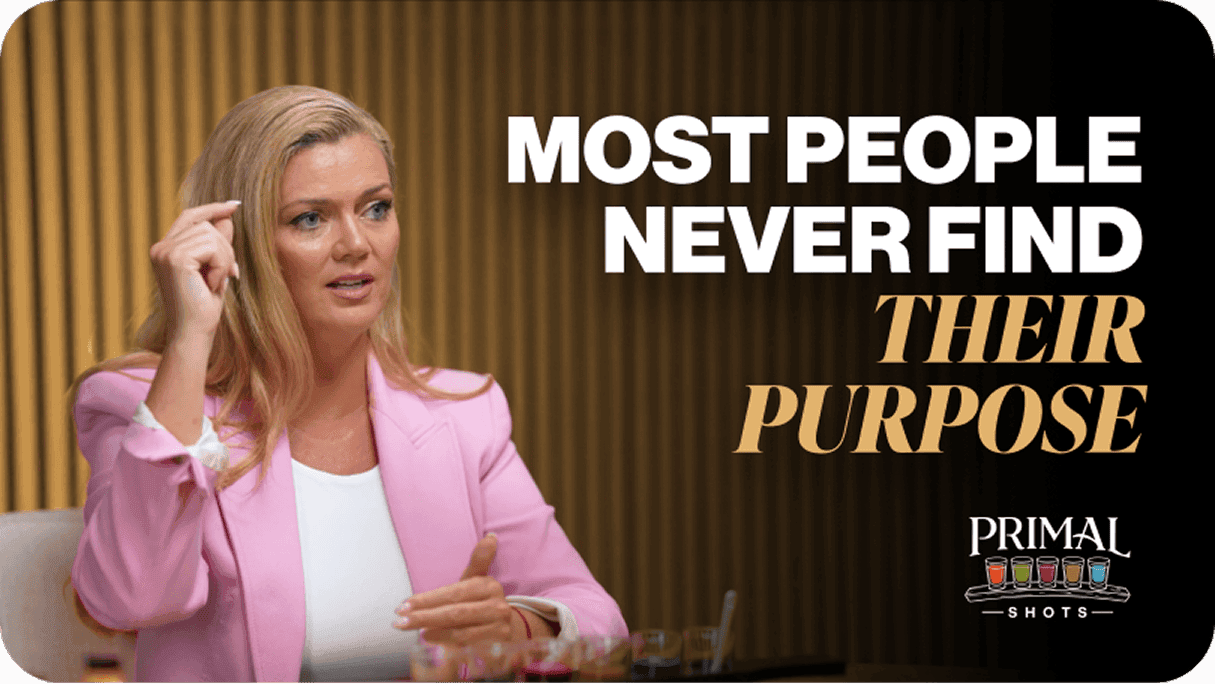
highlights
What You'll Learn
- The “self-discipline camp” routine Cliona runs at 5:30am across every time zone
- Why Napoleon Hill said the body is either “a health system or a septic tank”
- How Cliona uses hypnosis to help clients uncover their purpose in a single session
- The mastermind method, and why Hill capped it at 12 people
- Why “the goal is not to get, it's to grow”
You have gifts and talents that don't belong to you. You better give them away
— Cliona O'Hara
Listen on:




Key Takeaways
Discipline compounds before dawn. Cliona's global classes meditate, write gratitude lists, and set goals together at 5:30am, a routine she calls the self-discipline camp.
1/4
Burning desire drives willpower. Cliona ties Hill's “burning desire” concept directly to follow-through: a goal that doesn't create emotional pull rarely survives what she calls the “terror barrier.”
2/4
Masterminds work because of reciprocity. The goal isn't to collect people, it's to contribute to them; Cliona keeps her own mastermind intentionally small.
3/4
Purpose can be uncovered, not just discovered. Cliona uses a guided hypnosis process to help clients identify their purpose in a single session.
4/4
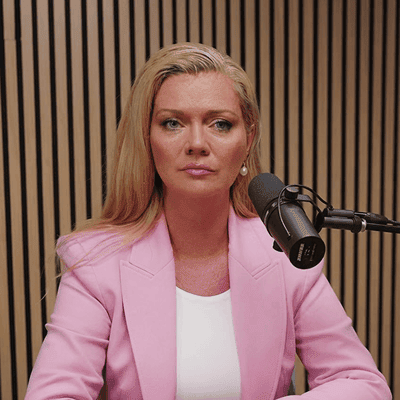
Guest Bio
Cliona O'Hara
Cliona O'Hara is CEO of the Napoleon Hill Institute, teaching self-discipline, goal-setting, and mastermind principles to a global community. She also founded a women's collective supporting the Tiny Home Foundation's work building transitional housing for women and children.
Resources
SUBSCRIBE TO ALIGNED LIFE
Aligned Life Newsletter
Discover rituals, routines, and neuroscience-backed insights in Aligned Life, Dr. Kavin Mistry’s monthly newsletter, to help your brain and body thrive together.
You'll get an archive of all past newsletters!
More Episodes and Blogs
Share With a Friend
Transcript
Dr. Kavin Mistry & Cliona O'Hara
00:00Welcome & Introduction
Cliona O’Hara:
The paycheck is the drug. Sometimes that keeps us from our dreams. That’s like rocket fuel, whatever that is. You have gifts and talents that don’t belong to you. You better give them away. We teach to live a legacy, but also leave a legacy. Wow. It’s quite a combination. Cheers. Let’s try it first.
Dr. Kavin Mistry:
Welcome to Primal Shots, where we journey from the ground to the cosmos. And as the shots get healthier, the questions get deeper. And joining us today is Cliona O’Hara. She is the CEO of the Napoleon Hill Institute, and it is a great platform to bring back these classic teachings from Napoleon Hill in the modern context. I cannot wait to dive into those teachings and what Cliona has to say about them in the world today. And so let’s get right to it. Welcome, Cliona.
Cliona O’Hara:
Thank you. I’m so grateful to be here.
Dr. Kavin Mistry:
It’s a gorgeous day today. It was so fun connecting with you earlier. I am so looking forward to hearing your insights and everything you’re doing in the coaching world. And it’s just impressed with you as a parent. I know you have little ones at home. Yes. And before we dive in into all of that, I want us to journey from the basics? And what we’ll do is Let’s start with the
02:14Grounding Shot: The 5:30am Self-Discipline Camp
Dr. Kavin Mistry:
First shot. Okay. And this is our grounding shot. And we always want to begin with presence. And what brings us to the now. And so let’s start there. Okay. And there you go. Cheers.
Cliona O’Hara:
Fun. Cheers.
Dr. Kavin Mistry:
There you go. Mm. Mm.
Cliona O’Hara:
Yummy.
Dr. Kavin Mistry:
What do you think?
Cliona O’Hara:
Beautiful. Yeah.
Dr. Kavin Mistry:
What do you. think? ingredients wise.
Cliona O’Hara:
Okay, so I’m getting a hint of orange. Hints of. I don’t know if there’s any turmeric. Carrot?
Dr. Kavin Mistry:
Ooh, turmeric. Yeah. That was. a good carrot. Okay, I think you hit him. All. All. All. Yeah.
Cliona O’Hara:
Okay, good.
Dr. Kavin Mistry:
And there was there is a bit of celery in there. Everything that comes from the ground. And I think this shot is symbolic. these ingredients come from the ground, and it’s a great way to start off the day. Right. And, so, Cliona, I know you are wearing many hats as CEO. As a mom. And so tell us a little bit. everybody starts their day off differently. some people just jump into the day. Some people have a really a, an extensive routine. Right. So but with the little ones and, with everything you’re doing, what’s described to us, what the beginning of your day looks like.
Cliona O’Hara:
Yes. I love talking about this because I was actually reading one of Napoleon Hill’s books called Outwitting the devil. It was a hidden book. It was hidden for many decades because it was so controversial at the time. His family would let him bring it out. But in that book about two years ago, I’ve read it many times. But this time it was different. It was something really moved me in the book when he talked about our health. He talked about our body either being a health system or a septic tank. And at that time in my life, I had so much going on with my children, getting the business off the ground because I relaunched the Napoleon Hill Institute after many years. And, when I was reading that book, it really, moved me about the importance of self-discipline. And so as I was reading the book, I realized I wasn’t as disciplined as I should have been as a leader, as a mom, as a family member, part of the community. And so I created what was called the self-discipline camp.
Dr. Kavin Mistry:
Okay.
Cliona O’Hara:
And that’s my morning routine now. And I have classes all over the world. And every time zone at 530 in the morning, we wake up at 530 in the morning we meditate. First we ground. we also go outside later and ground in the soil. But first we get on a zoom call because we have classes everywhere, we have students everywhere. And so we do silent meditation first, then we do gratitude. We write out ten things we’re grateful for, and then we feel the gratitude. We don’t just write it and then we write out our goals. And this is our morning routine. And then we listen to a little bit of study from Napoleon Hill, and then we go about our day. Then we move into the physical routine. Usually for me, it’s getting my kids to school with that. After that, that’s my physical part. And then after I dropped them off for the bus for school, Then I go out. I’m lucky to be by the water. I have a track at the front of my house. I have nature at the front of my house, my apartment. And so I’ll go there, I’ll ground, I’ll walk the track, or I’ll go do Pilates or I’ll go to the gym. That’s the self-discipline camp.
Dr. Kavin Mistry:
I love it.
Cliona O’Hara:
535 3030.
Dr. Kavin Mistry:
So.
Cliona O’Hara:
Monday through Friday.
Dr. Kavin Mistry:
Monday through Friday. So everybody everybody’s sinking with that time generally.
Cliona O’Hara:
Yes. And every so in their perspective, time zones.
Dr. Kavin Mistry:
Wow. Yeah.
Cliona O’Hara:
I love that people in Australia, we have people in South America, we have a Spanish class. It’s so cool. Yes.
Dr. Kavin Mistry:
It’s interesting. So, I come from an Indian culture and there’s a term called Brahma Murut. I don’t know if you’ve heard of that. No. So it’s a, Indian term that means the creator’s time. and it’s generally between the timeframe of 430 to 6 a.m. that if you can wake up during that time, it’s known as creator’s time, which means that during that space, during that time frame, whatever you set your intentions or you are in that you’re sending that message out to the universe that this is what I want. Yes. Right. Yeah. And I love what you said about gratitude. Because. So important. Right. And because if you start off your day that way, I’m sure you’ve seen that with all your clients, right? Like that. It changes the quality of your whole day. Just that few minutes of gratitude.
Cliona O’Hara:
Yeah, 100% there. We believe in vibrational frequency. We believe we’re spiritual beings in a physical body. And we believe that gratitude is one of the highest frequencies you can be on, and therefore you’ll attract what you’re in harmony with. And so I love what is it called again bro. Brahma mora I love.
Dr. Kavin Mistry:
That’s called the creator’s time. Yeah, You can Google it. You’ll, find all sorts of references. Yes.
Cliona O’Hara:
Wow.
Dr. Kavin Mistry:
So, yeah, we are grounded. You begun your day and it
06:29Focus Shot: Goals, Purpose & Hypnosis
Dr. Kavin Mistry:
Brings us to our next shot. And this is our focus shot. Okay, And I’m not going to tell you the magic ingredient, but let’s just drink to that and then we’ll take it from there, okay? Okay. Cheers.
Cliona O’Hara:
And Irish we say cilantro.
Dr. Kavin Mistry:
All right. What do you think. Ingredients.
Cliona O’Hara:
Mm. Wow. It’s quite a combination. First I got hints of like green tea or matcha. And then I got lemon. maybe some celery. Am I close?
Dr. Kavin Mistry:
The matcha was perfect. That was. You’re very good. What’s so there is. a spice ingredient in.
Cliona O’Hara:
Yeah.
Dr. Kavin Mistry:
You can catch it. Mm.
Cliona O’Hara:
Is it pepper? No.
Dr. Kavin Mistry:
Close. It’s a ginger.
Cliona O’Hara:
Oh it’s ginger. Okay. I didn’t pick up the ginger.
Dr. Kavin Mistry:
Okay, so, matcha is a it’s a very interesting ingredient because it, gives you focus and it gives you natural caffeine and, similar to coffee, but a natural caffeine. But it has this ingredient called El Thiamin, which is an adaptogens. So it lets you. It gives you the focus, but then also gives you the ingredient to handle the caffeine and so that you can handle the stress. so it’s actually a little more powerful than coffee because you’re getting both sides of that. You get the focus with the ability to adapt to stress?
Cliona O’Hara:
Wow.
Dr. Kavin Mistry:
But leading with that, with the idea of focus, I’m sure at any given time you can work on 20 different things. Yeah, right. So. But Cliona, right now what is where is your focus and maybe let me ask this question in twofold. One is when you were working with clients And, they’re, they’re working on many different projects and things like that. One is that what is your general guidance for people in terms of what they should be focusing on as a coach? And tell me what you’re focusing on right now personally.
Cliona O’Hara:
Sure. Okay. So I’ll start with the clients and general focus or instruction that I would give my clients would be. Well, first of all, we believe everyone should have a goal. And if my clients don’t have a goal or they don’t have a life goal, they don’t have a monetary goal. They don’t have a focus. We believe that they don’t have direction because we believe the brain is a transmitting station and a receiving station. And so if the brain doesn’t have instructions of where to go, the person can drift through life. The first instruction I’ll always get clear on with my clients is what is your goal? And so I’ll help them discover a goal if they don’t have it or expand upon a goal. I’ll help. I’ll teach them how to write a goal out in present tense. I think that’s very important. First step for anyone in coaching. I’ll also help them discover their purpose. I personally have a little, I think I have a gift for that. I can I also use hypnosis, and I’ll bring my client into hypnosis, and I talk to their soul, actually. and I allow the soul to tell the client and me what their purpose is. And it happens pretty quick. So purpose and goal. And a crystal clear vision for two years in their life, two years ahead in their life. So purpose vision and goals. Those are the basics. Ingredients basic ingredients for coaching any client.
Dr. Kavin Mistry:
Wow. So just from the audience perspective, so what does that look like when you say hypnosis? Is it. just sort of a deep, relaxed state or and how are they kind of expressing that goal through that process? This may be a little bit of the process that.
Cliona O’Hara:
We did do it right now to, maybe.
Dr. Kavin Mistry:
We may do an outtake at the end, but just so. I mean, it sounds so fascinating. I just want to know, like what? What is what does that look like for somebody who maybe they don’t know their purpose? And I think a lot of people are that way. I’m sure a lot of people you run across. Right. They don’t have that purpose defined. But so what how do you, maybe walk us through, like what? What does that look like for somebody?
Cliona O’Hara:
So first I’ll put them into a bit of a hypnotic state by rolling their eyes up and walking them down a flight of stairs and getting them into a little bit of a trance. They’re still awake. They’re still. They can still function. Of course they’re not laying down. and once they’re in that state and they’re relaxed, then I’ll test to make sure they’re in that theta brainwave state and then I’ll start questioning them. and one of the questions is usually getting clear on their why. I have a process called seven levels deep. And I’ll take them seven levels deep of their why. And then it just it’s intuitive. Then I guide them, I ask more questions and I also match their breathing. And it’s almost like I’m connected to them. So I’ll match their breathing, their heart rate, and then I’ll just feel and know intuitively what questions to ask. And the more I get to know them and ask the questions, then the more comes out what they’re supposed to be doing, what they’re passionate about, what they’re called to do here on this planet. And it’s really I don’t say it’s me. Napoleon Hill called it infinite intelligence. You said cosmos, right? I can say, God, I believe that I’m guided and I tap into infinite intelligence. It’s not me. I’m just kind of direct. And I’m not to act.
Dr. Kavin Mistry:
Just directing that and letting. I guess what you said, letting their soul speak through the questioning.
Cliona O’Hara:
Yes. Yes, I, try not to put words in their mouth and I just allow myself to somewhat be a channel to, guide them. And, it works like I have great results with the clients and, they thank me. So they have direction. Yeah.
Dr. Kavin Mistry:
That’s so fascinating. Fascinating process. Although we don’t have to do that sometime? Yeah.
Cliona O’Hara:
No problem. Won’t take long.
Dr. Kavin Mistry:
So, you mentioned the word getting to purpose? And, that brings us to our third shot here. Okay. This third shot, I believe it’s a it’s called,
10:29Endurance Shot: Burning Desire & the Terror Barrier
Dr. Kavin Mistry:
Our endurance shot, and. what it signifies is that, sometimes, we start our day grounded. We have certain level of focus, but, to keep going. Yeah. when you decide to take a journey. Right. One of the things is that people, so many people start things. Yeah. But they don’t follow through because the going gets tough. Right. And so this is our endurance shot. And we’re going to touch upon that element of what keeps us going. But let’s try the shot. Cheers.
Cliona O’Hara:
Endurance. Okay. Cheers.
Dr. Kavin Mistry:
Wow. Mm.
Cliona O’Hara:
Mm. Yummy. Wow. Beets.
Dr. Kavin Mistry:
Beets. Okay. Check.
Cliona O’Hara:
Check. Okay. Apple. No.
Dr. Kavin Mistry:
Mm. Close. It’s paired with pomegranate.
Cliona O’Hara:
Ooh.
Dr. Kavin Mistry:
But these. What’s the spice?
Cliona O’Hara:
I‘m obviously not good at spices, but I. I don’t usually have spices because I’m Irish. We don’t eat spicy stuff. let me guess. I got beets. Pomegranate. Is it ginger? No.
Dr. Kavin Mistry:
Close, So it’s, Cayenne pepper and pepper. A touch of it. Just to give that little kick. And beets and pomegranate. both of them. They have, a lot of polyphenols. okay. And also have they have nitrates. And the nitrates really have a very positive effect on your cardiovascular system. So it’s called the endurance shots or these are ingredients that the marathon runners and people who are doing real endurance activities will take because the nitric oxide opens up your vessels and gives you that endurance. Right. And so it signifies that endurance. And the cayenne pepper adds that little kick that we, to make it make the shot interesting. But the idea of endurance is this is that, in anything we do, there has to be a deeper meaning that takes us through that journey, right? There’s beginning. A journey is one aspect. But following through, yeah, is a whole different thing, right?
Cliona O’Hara:
Yeah.
Dr. Kavin Mistry:
And so, Cliona, walk us through, you work with clients who start ambitious projects. so one is starting is one thing, like I said. But what keeps them going? Like what is your guidance as to, what is that meaningful drive that they bring in to that, project or to that endeavor. And then about you is I know, you were in the healthcare space and, whatnot and then you pivoted or maybe you transitioned to this coaching space. So obviously there was some meaning that carried over that made you go this route, right? Yeah. So tell us, one is what you tell your clients about meaning and drive, and then maybe what was it for you that brought you to the space?
Cliona O’Hara:
Okay. Yes. It’s delicious. By the way, I want to take some home. so I find with clients. And what I notice is when someone lacks willpower or they want to quit or they don’t follow through. I have found over all these years of study, and I also was mentored by a man called Bob Proctor.
Dr. Kavin Mistry:
Cliona O’Hara:
I have found that they don’t have the right goal. If you have a goal that creates a burning desire. The first chapter in thinking grow Rich is burning desire. If you have a goal that creates a burning desire in you and your why and you have an idea of your purpose. This is what will keep the willpower activated. So if you can think of a burning desire is the flame, the fire. And then I always say the willpower steam. So if you think of the steam moving the engine right, the burning desire will move, will create the steam that moves the engine, and then the willpower will go on. People will continue because they have the right goal, and people have goals that it doesn’t light a fire in them. Or even worse is they have somebody else’s goal. You have their parents goal, they have their following what their parents told them to do. programing from our culture. And, then they’ll quit because they don’t have the right goal. You need to know your why, you need to have a burning desire. And a goal is not to get a goal is to grow.
Dr. Kavin Mistry:
I love that.
Cliona O’Hara:
Right. So. So we’re here to grow and expand and create. I believe that’s why we’re here. And if the goal is not helping you express your uniqueness like you’re doing this. This is amazing, I love it. This is so unique. Your soul is expressing itself through your work, through your gifts and your talents. And we humans, we need to find that. And if we don’t, then we will lack endurance.
Dr. Kavin Mistry:
I love that. Wow. We’re going to put that in quotes. The goal is not to get but to grow.
Cliona O’Hara:
The goal is to grow.
Dr. Kavin Mistry:
I love that. Oh, wow. That can be on a t shirt for sure. I I think that speaks volumes to me.
Cliona O’Hara:
Yes.
Dr. Kavin Mistry:
Because, when I, started medicine and in I’m in radiology and, it’s a great field and, I would say fairly lucrative field when I, and it still is.
Cliona O’Hara:
Yes.
Dr. Kavin Mistry:
But I, I hit a wall where I said, what’s going to keep me going here, and, I had to dig deeper because it wasn’t about just radiology. I had to find, like you said, I had to find that fire. Yeah. To keep going. And for me, it was radiology was there, but it didn’t create that fire. And what I found for myself, it was that for me, teaching became the fire. Yeah. and that’s what I went that down that route. And I actually, I turned down a VP position. There was a group I was with and they I was a sort of a young partner and they liked my people skills and everything like that. So I just, I was like the youngest guy in the group and they said, what? We want you to be the VP of the group because we think that, going forward you can lead this group. And I was flattered. I was it’s always nice that people think highly of you and they see me in that aspect. And I went home. I told my wife, I said look I said they’re going to make me the VP of the group. And that the excitement lasted two days. Then I said, but is this really what I want to do? This is this lighting that fire, like you said. Yeah. And I said, and I’m thinking and I go, no, it’s not, because I as a VP, I was going to be, hiring people, firing people. I was going to be dealing with all the hospital admin and all that. And I said that, for some people, maybe that juices them for me. I just felt that I wasn’t contributing. I wasn’t creating the next generation of doctors. And I said, what I really want to do is teach and, and so they made me VP. And three months later I said, I’m going to take another job. And I said, I’m going to I want to teach. And they’re like, you’re going to go to another group, start at the bottom and give up all this. I said yes because I said, I need, that fire. I need to be happy. Right? Yeah. And I would say, looking back now, it’s probably one of the best decisions I’ve made because I wake up each day. I’m so excited to teach. And that teaching gave me an idea that I can not only teach residents, but then I can teach people through these avenues. And here we are.
Cliona O’Hara:
Yeah.
Dr. Kavin Mistry: .
Cliona O’Hara:
You’re making a much greater impact because you followed your soul’s hunches, intuitive nudges and congratulations.
Dr. Kavin Mistry:
Right. And it’s sometimes, as you said, it’s not about what you get. It’s about what makes you grow. and at that time, it is a very tough decision. I bet it is a very tough decision when you have money on the line, when you have a title on the line and, and people just don’t understand. They’re like, wait, you’re giving up this position, to start over again. And so and but I, just knew I said, this feels right. Just it just really feels right. and I don’t care if I don’t make as much money. I don’t care if I don’t have that title. but I want to wake up each day feel like I’m making a difference. Yeah. And if I don’t wake up that way day at that way every day, then what’s the point?
Cliona O’Hara:
The money’s.
Dr. Kavin Mistry:
Worth. The title. The title doesn’t. Doesn’t matter. The money doesn’t matter at that point. That’s right.
Cliona O’Hara:
That’s.
Dr. Kavin Mistry:
True. And, But thank you for sharing that. I love that quote.
Cliona O’Hara:
That’s so good. There’s a there’s another quote that, just came into my mind from memory. What you just shared the paycheck is the drug. Sometimes that keeps us from our dreams.
Dr. Kavin Mistry:
Wow. Right.
Cliona O’Hara:
So, in many cases, that could have been the drug, that kept you from your dreams as well?
Dr. Kavin Mistry:
Yeah. Or I guess, another way is, not. Are you making a living or making a life? Yeah. Right. That’s another way of saying that. And, but, and again, a lot of these things. Sometimes the quotes are cute, but when you’re in that situation, when you have to pick that fork in the road, so very it is a very hard decision. It is an extremely hard decision. Yeah.
Cliona O’Hara:
There’s a process. We call it the terror barrier. You make a decision and then you hit this wall and it’s your comfort zone, this wall. And the fear kicks in the most. People revert back. Like, over 90% will revert back to where their program, where they feel safe. It’s unfamiliar that you are one of the people. And so was I who jumped through the wall. Yes. We said, listen, we’ll get wings as we jump, we’ll figure it out. Yeah.
Dr. Kavin Mistry:
And sometimes you don’t know what’s on the other side of that wall.
Cliona O’Hara:
Yeah, exactly.
Dr. Kavin Mistry:
But I did know that if I stayed on this side of the wall, that I was not going to be happy. Yeah, right. So it was just that, okay, whatever it is, let’s just get. Get through this wall and figure out what’s on the other side?
Cliona O’Hara:
Exactly.
Dr. Kavin Mistry:
So that brings us to our
14:29Tribal Shot: The Mastermind Method
Dr. Kavin Mistry:
Fourth shot. And, we’ve been talking about what drives us. the what brings us meaning. And but, life is not just about us, but how we connect with others. and really, it’s we’ve talked about this before as we were having, a pre pre-show, we were, we were chatting and about connecting with people. And so this is our you may have to stir this one. This fourth one is our tribal shot.
Cliona O’Hara:
Ooh.
Dr. Kavin Mistry:
Tribal and This symbolizes our connections in life. Okay. There you go. Cheers.
Cliona O’Hara:
Cheers.
Dr. Kavin Mistry:
Mm. That one’s always so smooth. Mm.
Cliona O’Hara:
Chocolate.
Dr. Kavin Mistry:
100%. Check.
Cliona O’Hara:
My favorite.
Dr. Kavin Mistry:
Are you a chocolate lover?
Cliona O’Hara:
Yeah. We. We had a joke growing up because I had. I have a, like, a brown mole somewhere on my neck.
Dr. Kavin Mistry:
Cliona O’Hara:
And, Because I used to eat. I still love chocolate, but my grandmother used to tell everyone. Oh that’s her chocolate spot. That grew because she’s too much chocolate. So I can taste.
Dr. Kavin Mistry:
So cocoa is the, star ingredient. The spice and the. I guess the surprise ingredient in there is tough to taste, but it’s a. Ingredient called mocha.
Cliona O’Hara:
Oh, yeah.
Dr. Kavin Mistry:
So, Coco, as what’s interesting about cocoa is it has this, component to it, which is called, anandamide, and it’s an ingredient that’s only found in a few things. And cocoa has it, and it’s actually a bliss ingredient. it’s it’s an ingredient that, when you are blissful, you have a higher levels of anandamide running in your body. And that’s why when you drink, that’s probably why you like chocolate so much. Because it has that bliss ingredient in there.
Cliona O’Hara:
Okay.
Dr. Kavin Mistry:
And mocha is, it’s a root. And, it balances, hormone levels, in females as well as in men. And for men. It gives them a little bit of a testosterone boost. And for female it balances the hormone. So again speaking to the connection and that tribal aspect.
Cliona O’Hara:
Well I love that.
Dr. Kavin Mistry:
But I love this. The symbolic meaning of the shot for your work. and one of the things, Napoleon Hill always talked about, which I think for me is one thing that I’ve carried in and through, his teachings was the mastermind concept. Yeah. Right.
Cliona O’Hara:
Yes.
Dr. Kavin Mistry:
And I remember that chapter in the book and I believe he talked about like that. He would close his eyes and he would picture a round table where he had all these people sitting on their like, I think he had Abraham Lincoln and all these other people. Right? Yeah. And he would close his mind and, close his eyes and, he would go around the table and he would in his mind’s eye, he would picture how these great people would advise him on his decisions. And. And I thought it was so fascinating. It was so it was a bit far out, too, because I was like, really? How does that work? But it excited me. the term mastermind excited me and the process excited me. And so maybe Cliona share with us that. How do you teach that in the modern? What’s the modern take on that mastermind? How do you teach it? And from the tribal aspect, how are you creating a mastermind for yourself? Well, what is your inner circle?
Cliona O’Hara:
Yes, I love it. So yes, the mastermind was it’s basically when two or more are gathered together in a spirit of harmony with a common purpose. And so he, Napoleon, had what he called invisible counselors. And I have my invisible counselors, like, even coming here to sit here with you today. I had to close my eyes, talk to a couple of them. And so, you have the spiritual realm, the invisible realm, whatever you want to believe in. But you can call them your guides, and they are usually people that you admire and that you trust. It could be a family member. It could be someone great at business, like he had, Andrew Carnegie and others in his, guidance council. And so but in the in today’s terms, we teach the mastermind it should be no more than 12 people. You should actually seek for your own mastermind, for your life and your business, and you should be finding people that are in harmony with your goals that can help you with your goals. But more importantly, the mastermind is about what can you contribute to the mastermind? It’s not about just getting a group of people together to get. It’s actually about getting a group of people together in harmony to give to the mastermind. And so when you have when you approach it with that intention of giving, you automatically start to attract the right people and you should approach them. You should ask them, are you interested in the mastermind? You should. We meet once a week and for 30 minutes to an hour. Like there’s a process. There’s a timekeeper. Everyone shares every week. Everybody gets a turn. What do you need help with? So there is a there’s an actual process to a mastermind taking notes and then having accountability with your mastermind seeking help to your business, your life. And so we teach that. I have a mastermind myself right now with only one woman, And it’s just me and her. She’s very successful in this space as well. And personal development. And so, and then how I’m sharing this with the world is through the Napoleon Hill Institute. We have a huge community all over the world, and we’re teaching people to create their own masterminds. We also do dinners, and we have people come do a mastermind at dinner, study together, help one another. And, that’s how we’re going to share it with the world. But I think everyone should have a mastermind. It’s almost like having a second family. not everyone had a great family growing up. Right, Dysfunction and so on. This is a chosen family that you can lean on and you can trust. Everyone should have a mastermind.
Dr. Kavin Mistry:
I love it and is is the goal to get to 12. Is that the goal to get to 12 or is there a set number or. it depends on what you’re comfortable with.
Cliona O’Hara:
It really. It’s about harmony. You have to make sure you’re inviting the right people. And because if you invite the wrong people, they can destroy the harmony of the group. And then you have to ask them to leave. You have to do a vote, and you don’t want to do that. That’s why I’m keeping mine small for now. Being very careful with who comes in. but the goal is not to go to 12. But Napoleon taught us it shouldn’t be more than 12, because once it gets too big, then it’s diluted. Not everybody has time to share and speak and so on. Yeah. Yeah. And I don’t know if he just a theory, but I was thinking about, like, the 12 apostles.
Dr. Kavin Mistry:
That’s what I was. thinking as well.
Cliona O’Hara:
Yeah. I don’t know for sure, but it might have some significance. Oh, yeah. The disciples. Yeah.
Dr. Kavin Mistry:
Yeah, it’s such a. when I read that in the book, I thought it was such a brilliant concept. Yeah. And, I think in this day and age, Cliona, and as we, we’re digitally connected with everybody, but yet lonely. Yeah. In our, own world. And we don’t have maybe we have lots of connections, maybe we have lots of followers, but we don’t have that inner circle where we can share our weaknesses and our victories at the same time. and I think people lack that. and, I think that so that concept of mastermind, I think, really needs to be emphasized in this day and age. especially with AI, with all the digital connections. Just I think that people need that. Right. Because it’s much more of an authentic connection and it goes beyond family. Right. Because sometimes, you have family and you can talk to family members, but it’s not the same as a mastermind because here you are interdependent. Right. And you’re counting on each other and supporting each other. Yeah.
Cliona O’Hara:
Yes.
Dr. Kavin Mistry:
And, I have a good friend of mine who uses the term ecosystem and having, creating that ecosystem that nurtures everybody. That’s part of it. and I think that’s as we go forward, I think that’s going to be more and more important.
Cliona O’Hara:
Yeah I agree. especially with AI now people are getting more and more disconnected.
Dr. Kavin Mistry:
Yeah.
Cliona O’Hara:
Yeah. And even Napoleon Hill Institute, what we’re focused on now is doing more in person and setting up these meetup events and getting our community into rooms, sharing a meal, sharing their goals. Like, that’s where we’re headed now. Because of this reason, we need community. We need support.
Dr. Kavin Mistry:
Absolutely. Yeah, absolutely. and, it I tell people that anything great is going to come out of co-creation and collaboration. Yeah, right.
Cliona O’Hara:
That’s right.
Dr. Kavin Mistry:
I mean, you and I, individually, there’s only so much we can do. Yeah. Right. And but we need collaboration to do things. Great things. Yes.
Cliona O’Hara:
I’m so glad you brought that up, because I think one of the most important elements of a mastermind is we believe when there’s two or more together, do minds together. We’re then plugged in to infinite intelligence. God, cosmos, whatever you want to believe in. When the two minds are in a spirit of harmony, you actually plug into that source of Information where you will get ideas that you won’t receive on your own. It’s very important. Most people don’t understand how that works, but that people get the greatest ideas from the mastermind.
Dr. Kavin Mistry:
Yeah, I love that. I guess, the, saying that one plus one is not two, but more like 11, right? Yeah.
Cliona O’Hara:
Yeah, exactly.
Dr. Kavin Mistry:
So, well, that brings us to our last element here, Cliona. And you may have to stir this one a little bit.
Cliona O’Hara:
Okay. It’s blue.
Dr. Kavin Mistry:
Blue. And, we talked about connecting with people, and but beyond connecting with people, it comes down to is where, are we headed even with our tribe, right. What is our, larger. Cause this is our
18:00Cosmic Shot: Living & Leaving a Legacy
Dr. Kavin Mistry: Cosmic shot.
Cliona O’Hara: Okay.
Dr. Kavin Mistry: All right. And, But. Cheers. Let’s try it.
Cliona O’Hara: First. We two are more gathered together. Here we go.
Dr. Kavin Mistry: All right. That’s definitely a wellness shot. Yeah.
Cliona O’Hara: That’s like rocket fuel, whatever that is. I have no idea with that.
Dr. Kavin Mistry: What’s. What’s what? How does it taste?
Cliona O’Hara: It tastes good. It. But I can feel it. Whatever it is, it’s got potency in it, and it’s given me more energy. Yeah, I feel automatically. Instantly. Energy boost.
Dr. Kavin Mistry: Wow.
Cliona O’Hara: What is that? Magic.
Dr. Kavin Mistry: So. So What’s interesting is there is a, It’s called a pea flower. It’s a, special type of a flower which has a very nice blue color. Then that’s for the color because it’s a cosmic shot. We wanted to get the blue in there. So it’s it is healthy. It has antioxidant, properties, the pea flower. But the star ingredient in there is bitter melon. And it’s you don’t find it too, in regular grocery stores. They’re usually in like, Asian, stores. And where cultures that use bitter melon.
Cliona O’Hara: Okay.
Dr. Kavin Mistry: Because as the name says, it’s very bitter. And so you, have to know how to use it. And, you have to know how to pair it to make it taste as good as this taste. Because you’re pairing the bitterness and bitter melon, you have to pair the bitterness with, some an apple or some other ingredient like that. Here it’s paired with the green apple, and that’s what you’re tasting. But the bitterness of, the bitter melon, it for me, the symbolizes the bitter truth in life is that we have a finite life. Right. And, even though our goals may be infinite, we are we have a finite life. And so leading with that bitter truth, right, that we have a finite life, and, it always begs the question and it opens up the paradox that, if I have a finite life, what is it that is going to live beyond me? Yeah. And what is it that we’re working on that’s going to live beyond us. And so I want to ask that question, Cliona, to you from a perspective of, do you teach one that legacy aspect, in your coaching, in, and the second part of that is that what is it that you want to leave behind, that what are you working on that is going to carry forward? And I want to preface that with, for the audience. And I know you’re working on some of the initiatives for children. Yeah. When I was reading up on your bio about that, I thought that was so impressive. So maybe, a little bit about, where that’s coming from as well.
Cliona O’Hara: Yes, I love that. So yes, we teach to live a legacy, but also to also leave a legacy and how we help others do that, I believe, is by helping them discover their purpose and set goals that are in alignment with their souls purpose, their calling. And I believe our purpose is to give away our gifts and talents. And we teach that and we pull it out of our clients like, why are you here? What do you love? What are you great at? Are you supposed to be a teacher? Are you supposed to help people? And, I believe we’re all here to help others and be of service. We teach that it’s just discovering your unique gifts and talents. And then how do you grow and express your gifts and talents and the most meaningful and impactful way, not just at home with, by yourself? I believe we’re here to leave the planet better off, and we teach that. And then for me personally, I, have a few callings on my heart that are, in particular, important to me. Of course, I feel Napoleon Hill chose me to do this. And I’m like, hey, I don’t really want to do this. This is too hard. why me pick some man to do it? Right. so it’s been a quite a lift for a couple of years, bringing back Napoleon Hill’s work, through our online school and all the trainings and all the things we do. there’s many times I wanted to quit, but. But I could feel I’m being. I was called to continue his legacy because his material is the foundation of most of the personal development space. If you look around at all the teachers. Right. And, because your dad was reading those books, too. so for me personally, I’m being called to get Napoleon Hill’s legacy modernized and share it with the entire world. huge, right? Every country. We’re in many countries now. and then also what’s important to me. I just started a women’s collective. And what we’re doing is a portion of every sale that we make. And the woman’s collective, through education, through programs, whatever we do is going to what’s called the Tiny Home Foundation. Okay? And we’re building an arm in the tiny home foundation called Keys of Her Own. I want to help abuse women. Single moms have a home. I’m going to get emotional even when I share it, because it means so much to me. I believe every mother should have a home and not just a home. It’s going to. They’re going to have a tiny home, but it’s going to be a transformational home because we’re going to plug in coaching therapy skills. And so when that woman is there with her children, she’s going to have the resources she needs to transform her life. So that’s what I believe my personal calling is, we have 34 homes under construction right now, but I want to have mountains. Wow. Before I die. Transformational homes for women and moms and single moms and women escaping abuse. And obviously the children then will grow up learning about the mind, body and soul that they can change the paradigm. That’s my vision.
Dr. Kavin Mistry: That’s so beautiful. Yeah. And, thank you for sharing that. I know, it’s, sometimes difficult to talk about what legacy is, moves us, and what we want to leave behind. And, I love that you shared, that with us, and one of the things, speaking on that subject, a lot of these women that are out there, right? maybe a lot of them want to leave, but there is no home to go to. Exactly right. And so it becomes a situation where they, they continue with that situation, that abuse, because there is no way to know where else to go. and I can just imagine how, suffocating that must be. Because that you want to escape, but there is nowhere to escape.
Cliona O’Hara: There’s nowhere to.
Dr. Kavin Mistry: Go, there’s nowhere to go.
Cliona O’Hara: And there’s very limited resources.
Dr. Kavin Mistry: Right. And so, that’s so beautiful. what you’re doing. And, we’ll definitely talk about that more offline, but I’d love to hear more about that. but no, thank you for sharing that. And, I was, that was above and beyond what I thought we would end up with. But, that is so beautiful. Thank you. Cliona, I mean, I, admire your journey. because, a lot of people I know you were you started off maybe in healthcare and maybe in, having a maybe a traditional job. And you said, no, what? I’m not going to I’m going to go beyond this break through that wall as we talked about. And you said that I’m going to start this, institute, which is a calling for me. And, like you said, it’s not easy to do something like that. Right. Like, to, and really to get people engaged and maybe buy that message and maybe buy that vision, that mission, but you’ve done it, and I know it’s sort of still in its maybe in its somewhat infancy and as it gets more traction. But I mean, as far as right now, it’s so impressive what you’ve done. and but I, wanted to thank you for bringing that message, and that all the paradigms that Napoleon Hill had sort of clarified. and like I said, I grew up with that, with my dad reading his books and whatnot. I mean, I didn’t have someone like you, teaching me or anything like that. I kind of had to just dig in and kind of figure things out on my own. But you’re actually, getting people engaged and teaching, which is just fantastic? Yeah. So. But, let’s do a
24:05Rapid Fire & Closing
Dr. Kavin Mistry: Rapid fire round.
Cliona O’Hara: Okay.
Dr. Kavin Mistry: As we wrap this up. Okay. And, so, three questions. Okay. Okay. And just what? Whatever comes to your head. All right. Okay. So one book that has impacted you the most.
Cliona O’Hara: It’s actually outwitting the devil.
Dr. Kavin Mistry: Outwitting the devil. Okay. Wonderful. Yeah. One daily habit that has changed your life.
Cliona O’Hara: Silent meditation.
Dr. Kavin Mistry: I love it. I can probably ditto that from my perspective. Yeah, in that Brahma mirror, though, right? Yeah,
Cliona O’Hara: Exactly. Right. Yeah.
Dr. Kavin Mistry: And one person that has changed your life.
Cliona O’Hara: I have to say, it was my late mentor, Bob Proctor. I mean, I have spiritual beliefs, but a living person that I’ve part of my life was, my late mentor, Bob Proctor.
Dr. Kavin Mistry: Yeah. I. I know the Bob Brahm secret, right? Was he was he was a part of that, that documentary or that he was he was right. That’s how I know. And I loved his demeanor and just his thought process and oh, that’s wonderful. that you got exposed to that kind of a thought process. Yeah, I can see why you would mention him. Yeah.
Cliona O’Hara: He was one of the kindest human beings on the planet. And, he just loved helping others. I love that, yeah. And he taught Napoleon hell every day. So it’s like, I feel like I was guided, so.
Dr. Kavin Mistry: Yeah. So I think everything just is fell into place for you, right? Yeah. I guess the universe was maybe guiding you with these, stepping stones 100%.
Cliona O’Hara: Right? Because when I was 27, when my whole life changed, it was because I found that movie The Secret. Little did I know, ten years later I’d be working with him.
Dr. Kavin Mistry: That’s incredible.
Cliona O’Hara: Isn’t that cool?
Dr. Kavin Mistry: That’s incredible. I think that was the first Movie that introduced me to the concept of, self-development and that I had. control over the events in my life, really. And then I was exposed to that probably as a teenager. I’m just looking back, probably, when I do the math. Yeah. And, it just fascinated me. And I said, wow. So, we, we have control our over our future with the way we think and the way we, put out that kind of law of abundance and everything, law of attraction.
Cliona O’Hara: Law of attraction, law of vibration. Yeah,
Dr. Kavin Mistry: So, Cliona, I want to thank you for being on the show and, going through this journey from the ground to the cosmos for the listeners out there, and with all the work you’re doing with everything right now. What is one message to somebody watching this, listening to this? What is one takeaway that you want to give them?
Cliona O’Hara: I would say do what you did, which is follow your heart, follow your guidance, follow your intuition. Forget about what’s going on the outside world. Forget about what other people want you to do. You have to be brave. And you have to follow that vision and that burning desire, no matter what, that’s the most important thing in life, I believe and obviously give back, be of service and give away. I would say this is so important. You have gifts and talents that don’t belong to you. You better give them away if you want to have a fulfilled life. You want to live on purpose. Give your gifts and talents away. Find a way to do that in an extraordinary way and create an impact in the world. Don’t be selfish and hold them back because they don’t belong to you. That’s my message.
Dr. Kavin Mistry: I love it because it’s not about getting. It’s about growing. Yeah, right. Growing and growing.
Cliona O’Hara: Yes. Growing. Growing and giving.
Dr. Kavin Mistry: Growing and growing. Right.
Cliona O’Hara: So growing and giving.
Dr. Kavin Mistry: I love it, Cliona. Such a pleasure to have you. And, You’re such a beautiful soul. And, I just, I can sense that in you, that you’re following your calling, and I think people will really resonate with that. and, in this day and age, as we go in this out there in this AI driven world. Right. We lacked that. People lacked that soul. Right? That authenticity. Right. And sometimes, we can make ourselves look really pretty and well kept. But inside we don’t have that resonance. We don’t have that, that drive and everything that we talked about. But, you’re the real deal. You’re authentic. And thank you for being on the show with us.
Cliona O’Hara: Thank you, Doctor Killian. And also what you’re doing. I think people need to follow what you’re doing because it has to be mind, body, soul and earth. This is the way for transformation. So thank you for everything you’re giving to the planet and to the world.
Dr. Kavin Mistry: I appreciate that.
Cliona O’Hara: Thank you.
Dr. Kavin Mistry: All right.