

Guest: Dr. Kary Oberbrunner, author and entrepreneur
Kary Oberbrunner on Morning Mindset, Authenticity & Purpose
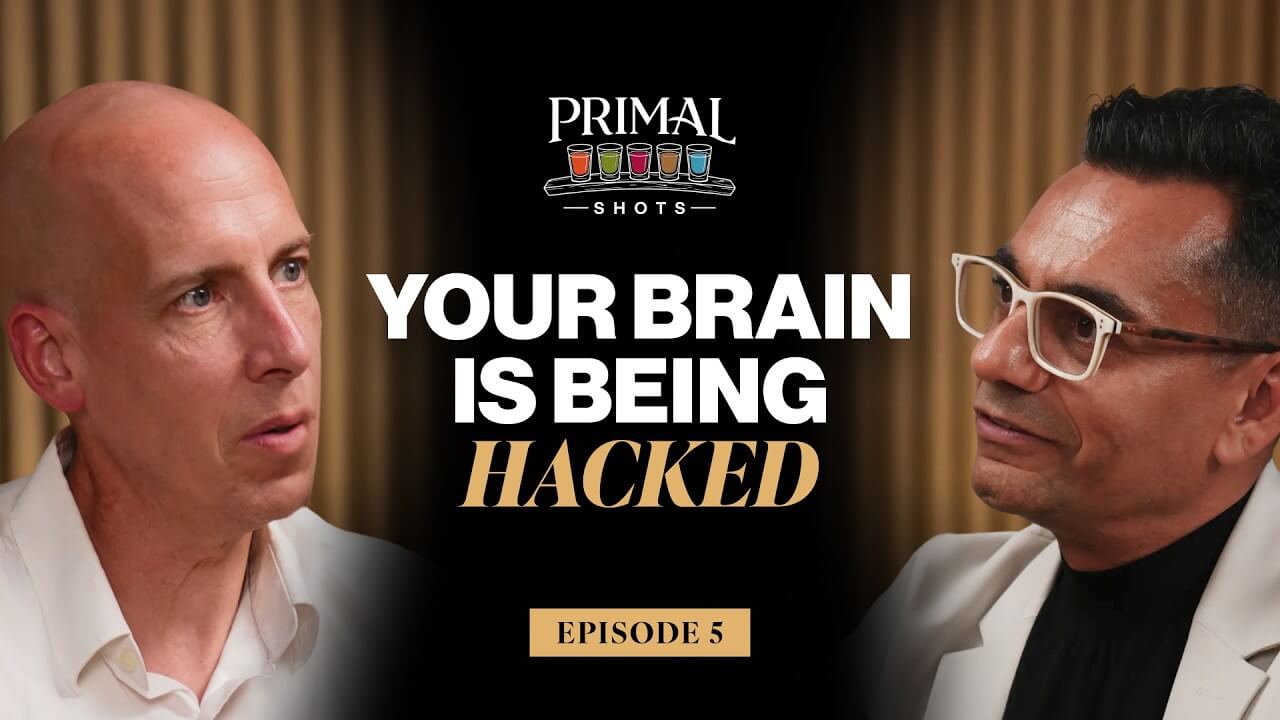
In this episode of Primal Shots, Dr. Kavin Mistry sits down with author and entrepreneur Kary Oberbrunner to explore what it means to become “unhackable.” They discuss how outside messages can hijack attention, why intentional mornings matter, and how personal struggles can shape resilience. The conversation moves from purpose and leadership to the difference between chasing success and creating a legacy that serves other people.
highlights
What You'll Learn
- Why Kary contrasts passively hoping for a good day with deliberately creating one.
- How negative news and competing inner voices enter the conversation about attention.
- Why authenticity and knowing who you are matter to leadership.
- How Kary connects cycling, adaptability and his experience with stuttering to resilience.
- Why legacy and significance extend beyond personal achievement.
You were created with purpose and you were created one of one. And don't waste time.
— Kary Oberbrunner
Listen on:




Key Takeaways
Your attention needs boundaries. Kary describes the brain as vulnerable to outside influences, not just devices or accounts as vulnerable to hacking.
1/5
Direction is a daily decision. Dr. Mistry and Kary use the grounding and focus shots to explore how intention can precede reaction.
2/5
Leadership begins with identity. Kary argues that leaders cannot credibly recruit for values they do not embody themselves.
3/5
Perfectionism can work against connection. Kary discusses the difficulty of leading when no standard ever feels good enough.
4/5
Significance is measured beyond status. Their discussion of the dream job, family and legacy asks what your choices model for the people around you.
5/5
Guest Bio
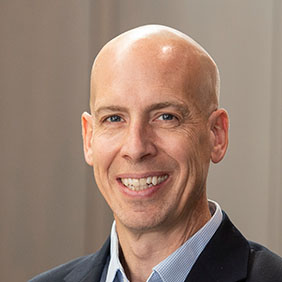
Dr. Kary Oberbrunner
Dr. Kary Oberbrunner is an author, entrepreneur, speaker and educator. He leads Igniting Souls and Instant IP and teaches entrepreneurship at Cedarville University. His work focuses on helping people develop ideas, protect their creative work and build a meaningful legacy.
Resources
SUBSCRIBE TO ALIGNED LIFE
Aligned Life Newsletter
Discover rituals, routines, and neuroscience-backed insights in Aligned Life, Dr. Kavin Mistry’s monthly newsletter, to help your brain and body thrive together.
You'll get an archive of all past newsletters!
More Episodes and Blogs


Share With a Friend
Transcript
Dr. Kavin Mistry & Kary Oberbrunner
00:00Welcome & Introduction
Dr. Kavin Mistry:
Most people stick to the day job, but they don’t go for the dream job.
Kary Oberbrunner:
When you do that, you’re giving other people control of your brain. A lot of times we think our banks get hacked or our identity gets hacked, but that book talks about how our brains get hacked. That has a bias. This is the most interesting podcast I’ve ever been on.
Dr. Kavin Mistry:
Welcome to Primal Shots. As we journey from the ground to the cosmos, and as the shots get healthier, the questions get deeper. And today I am so excited to have Kari Ober Brunner, who is one of the leading specialists in the IP field, the intellectual property field. He’s the author speaker, and I can’t wait to unpack this whole field of IP with him and to learn his perspective in this world and unpack his expertise.
So let’s dive in. Carrie, welcome to Primal Shots.
Kary Oberbrunner:
I’m thrilled to be here. This is the most interesting podcast I’ve ever been on already.
Dr. Kavin Mistry:
Awesome. Carrie, you know, your background is very interesting and the journey you’ve been through as an author writing multiple books and now being a strategist in this IP field. And I can’t wait to kind of develop that story with you through this journey. You know, and one of the things, Carrie is, uh, for people nowadays, right?
Um, one of the books you, uh, wrote. I believe it’s, uh, un hackable. UN hackable, un hackable. Yeah, I love that title, by the way.
Kary Oberbrunner:
Oh, thanks.
Dr. Kavin Mistry:
Yeah, right. And I love that title because it’s sort of speaks to me as being bulletproof, in a way. Right. Like, like that concept of being bulletproof in a world that’s sometimes feels like it’s out to get you, right? Right.
Kary Oberbrunner:
Yeah. Yeah. The word hack is when someone or something gains unauthorized access.
Dr. Kavin Mistry:
Yes.
Kary Oberbrunner:
And a lot of times we think our banks get hacked or our identity gets hacked. But that book talks about how our brains get hacked.
02:47Grounding Shot: Un-Hackable Mornings & Living by Design
Dr. Kavin Mistry:
And that’s precisely what I want to dive into first. And what I believe is that to be un hackable. We need to start our day in a way that we cannot be hacked.
Kary Oberbrunner:
That’s good.
Dr. Kavin Mistry:
Right. And so we’re going to begin carry with our bullets. Bulletproof shot or it’s called our grounding shot. Right. And so let’s dive right in. Cheers.
Kary Oberbrunner:
Cheers. Carrots.
Dr. Kavin Mistry:
Mm. Yeah. That’s what I felt.
Kary Oberbrunner:
Carrots.
Dr. Kavin Mistry:
I think the color gives it away.
Kary Oberbrunner:
Yeah, I love it I love territories. I mean, that was a whole mix. I felt some other things in there, too.
Dr. Kavin Mistry:
Did you catch the spice?
Kary Oberbrunner:
You have to tell me.
Dr. Kavin Mistry:
So, turmeric.
Kary Oberbrunner:
Okay.
Dr. Kavin Mistry:
Carrots and a celery paired with turmeric. Turmeric gives that anti-inflammatory quality which you want to begin the day. Yeah, with prepping your body. So it’s bulletproof or un hackable, as you say. Yeah. You know, but it brings us to this question, Gary, so twofold. Yeah. One is, through your experience, what is it that you do to be hackable? And what do you recommend to people as you coach them? You know, through this, this, this very complex world out there, right. So one, give us your routine. How how does Kerry begin his day? Yeah. And then what is your advice to people listening to this outcome.
Kary Oberbrunner:
That’s great. So to me it’s all about mindset. When we get up in the morning, when I get up in the morning, you know, it’s easy to grab the phone and it’s easy to scroll. It’s easy to check email. And when you do that, you’re giving other people control of your brain. You’re getting hacked that early in the morning.
There’s been a lot of research that’s been done that talks about how you are actually still in a flow state when you first get up in the morning. And so you’re close to sleep, but you’re close to the state of optimal human performance. And so what I try to do right away is I try to reflect and think, did anything happen in my dreams?
Did anything happen, um, in my mind, that I want to capture because I know if I go focus on something else that’s gone. So I kind of reflect first, but then I actually engage in, um, an audio program where it’s really scripture and, and meditation and it, it’s audio. So I don’t sit there and watch it. But as I, um, go in my first few minutes of the day, I’m already feeding my brain with, uh, principles like gratitude principles like, uh, God.
So I’m not alone in this world, and it’s really guarding the mind because I feel like we are very passionate about what we feed our stomach. But a lot of people aren’t passionate about what they feed their brain. Mm. There’s a there’s a station called CNN. It’s short for constant negative news.
Dr. Kavin Mistry:
All right I love that.
Kary Oberbrunner:
All right. And most of the time people are just reacting from emergency to emergency. And these things don’t even touch our lives. I mean, I care about a shooting that’s happening in Idaho, but in reality, it’s not really my problem. I can’t focus and solve that. And so when I let other people’s emergencies and trauma intercept my brain, I’m already getting hacked.
Mm.
Dr. Kavin Mistry:
I love that. And, Carrie, you know, you mentioned that our brain is in a very suggestible state. There you go. Right. We talk about different brainwaves, and we’re still in that alpha stage. When we wake up. And that can be beneficial or negative depending on how you use it. So if you tap into that with positive suggestions.
Kary Oberbrunner:
Yes.
Dr. Kavin Mistry:
As you said, you’re feeding yourself, you know, some of the scriptural stuff. And then it can be excellent. Powerful, right. Yeah. But then. Right, like you said, if you’re turning on.
Kary Oberbrunner:
Flip on.
Dr. Kavin Mistry:
The news, right on the constant negative news. And again, we’re using that same systems to, uh, hurt us. And you know, my fundamental premise is that we need to live by design, not default.
Kary Oberbrunner:
That’s good. I like.
Dr. Kavin Mistry:
That. Right. Because and if we don’t design our morning.
Kary Oberbrunner:
It all happened to it.
Dr. Kavin Mistry:
Then we we fall into the default state. Default is what the world wants to dig.
Kary Oberbrunner:
Yeah.
Dr. Kavin Mistry:
You know.
Kary Oberbrunner:
Even something subtle. When people say have a great day, I. I in my brain it flips a switch and I say, no, make it a great day. Yes, because have a great day is passive. But if I make it a great day, it’s that agency. I’m very big into agency and so yeah, usually I’m always doing cardio. I like cycling a lot, but when I really push my body with cardio, um, the creative brain just explodes.
I get a lot of my ideas when I’m on a plane.
Dr. Kavin Mistry:
Oh, I love that, I love that. What is what is your morning routine apart from so ingesting positive input. Gratitude. Gratitude in terms of, uh, physical.
Kary Oberbrunner:
Physical. Yeah. So, uh, a few days a week, I do core work with my friends. Um, they’re all older than me by quite a bit. And so seeing them exercise at their age really inspires me. But then I’m also, uh, rotating that with, with cycling. And so I have a trainer in my house when the weather’s not good, so I can’t use that as an excuse.
But when the weather is good, then I go outside and, uh, religiously. Now for about the last five years, I do minimum 100 miles a week and then 5000ft of elevation. Wow. So that’s just that’s just standard. Uh, this year, it’s, uh. I won’t say the day. Exactly. Well, well, I’ll just say the day it’s August, so I’m already at 5000 miles this this year.
Dr. Kavin Mistry:
And that’s, that’s.
Kary Oberbrunner:
Cycling.
Dr. Kavin Mistry:
Stationary cycling.
Kary Oberbrunner:
Both outside outside and trainer. Yeah.
Dr. Kavin Mistry:
Wow. That’s incredible.
Kary Oberbrunner:
But but I’ll tell you what I know we’ll get into more questions here. But I do that also to maintain, um, a positive outlook. I feel like some people are just predisposed to depression. And I think as a kid, you know, we’ll get into that stuff. But, um, cycling and all those endorphins really help me fight depression as well.
09:43Focus Shot: Stuttering, Self-Hatred & Finding Your Anchor
Dr. Kavin Mistry:
To carry that. That segues us into the next topic here. And I mean next slide. Right. So this is our focus shot. And you know, you talked about kind of what we set our intentions for what our focus is. And so let’s drink to that. Our focus shot. And then we’ll dive right in. Mhm.
Kary Oberbrunner:
As my friend Ella says that taste like grass right. I felt the uh, very earthy. Um, I’m gonna, I’m going to say, uh, wheatgrass.
Dr. Kavin Mistry:
Close it is a green. And you’re tasting the grass element or the earthy aspect from matcha.
Kary Oberbrunner:
Ah, yeah, I love matcha.
Dr. Kavin Mistry:
So it’s matcha. What’s the spice? Oh, man. Anything you’re taking?
Kary Oberbrunner:
Matcha. And, uh. A little bit of lime now.
Dr. Kavin Mistry:
A little bit of lime. Yeah. So the spice is ginger. Ginger? I like that. What’s giving that, uh, a kick at the end? I like that, uh, you know, ginger matcha, all of that together. Uh, it these are all sort of adaptogens that, uh.
Kary Oberbrunner:
Tell me more. What does.
Dr. Kavin Mistry:
That mean? So it’s there’s two components. That one is. There are certain supplements that help you focus. Well, caffeine. People use caffeine to focus, and there’s nothing. There’s nothing wrong with caffeine in the right amount. Green tea has natural caffeine. You know, people use coffee for caffeine and whatnot.
Well, what an adaptogens does is allows you to handle stress.
Kary Oberbrunner:
Oh yeah.
Dr. Kavin Mistry:
And so normally our body reacts to stress by spiking cortisol. Okay. Right. Yep. What an adaptogens does. It blunts that response to some degree in a sense that you face stress. But you can remain poised. Yes. In the moment of that. Right. So that’s what an adaptogens is supposed to do. Now you can build that resiliency naturally within you.
That’s the goal. Right. But you can use some of these supplements to actually help you in that process. Yeah. Right. So speaking of focus, Carey. Yeah. And you’ve spoken about this in your books and other talks and, you know, um, as a child, you grew up with certain, you know, challenges. Sure. You you tiring yourself.
Injury. You had it. Yeah. You had a stutter. Yeah. And, um, and through all that. Right. You came up and, you know, look at you now with running companies. Yeah. You know, mentoring people and, you know, which is a incredible transformation. Yeah. You know, I think if we looked at you as a child and we said, like, what’s your trajectory?
You never I don’t think we would plot it and. Yeah, bring it to who you are. Now that’s true. So as you’re going through this, right, um, what is your what was your focus? Right. Because at that time, I’m sure there were all these different things. Oh, look at you. Oh, yeah. So what did you use as your North Star?
You kind of come out of that or climb out of that? Yeah.
Kary Oberbrunner:
So my stuttering really came from a perfectionism. So back in the day. You know, it wasn’t like today where we have great child psychologists. And back then they actually said, you have a learning disability. So I remember even getting notes from the school that Kerry has a learning disability. And my parents were well-meaning, but they’d say, stop and think about what you’re going to say, which was actually really bad because I was already thinking of what I was going to say and worrying that I wouldn’t get it perfect.
And back in the day, you had to stand up in the front of the class and read, you know. Um, and, I mean, that’s a lot of pressure. And so now you’re reading and you’re stuttering and all the kids are laughing at you and this type of thing. So, I mean, it wasn’t just the stutter, but it was it. It turned into a self-hatred. Like, I hate myself for struggling and it turned into self-injury. So at first it turned into biting. And then as I got older, as a teenager and nobody knew about this, Then it turned into actually cutting. And, uh, I think that I think we’re all destined for greatness.
I really believe that. I think a lot of us are destined for greatness. But the problem is, is that we have two voices, and one voice is destructive, and one voice is life. Life and death, life and death. And there are times where I thought, why not just end my life? You know? Why not end it? Because I couldn’t see how God could use my life.
And you just feel pain in the moment. And self-injury is a it’s a form of control because we all have pain in life. But with self-injury, you’re the one controlling the pain. How much, how often, how deep. And so it’s actually a form of control. And what I had to learn is to, is to focus what I could control in other positive areas.
And so exercise is a great one. Writing, you know, instead of destructive. Let’s, let’s journal our pain. Let’s write it out. And so I found healthy ways of getting the pain out versus negative ways.
Dr. Kavin Mistry:
Wow. That’s an incredible story. And as you are journeying through this was there you know, I’m sure there are listeners or listeners out there who maybe they’re struggling with how this aspect, or they may have a family member or Fairchild who’s going through this. Right. What is your advice to someone like that? And what what what can they anchor to as a focus? Totally, right. Like, yeah. What is it that they could do to come out of something like that?
Kary Oberbrunner:
Yeah. So for me, it was, uh, certain Scripture there’s called the Psalms. It’s David’s journal dates King David, we we all have heard of King David, but he would he would write these poems, these Psalms. And some of the Psalms were really intense. I mean, in some of the Psalms he’s like, May you make my enemies widows.
May you blot them out of the book of life. I mean, he’s like he’s like saying some pretty intense stuff. And I actually read that and I was like, I like this guy. I like this guy because I thought, how could he be a man after God’s own heart and write this real stuff? And I, you know, I grew up in a church home. My dad was a pastor.
I couldn’t understand, I thought, I thought you had to come to God. All cleaned up, all perfect. And I think there’s a lot of people out there that believe that lie. Like, I gotta have my life perfect. I think what I think, what spirituality is, is it’s authenticity. And so what I started to do was I started to say, my journal is not going to judge me.
So I would encourage the listeners to get their young kid or older kid or maybe themselves art canvas painting journal, something where they can express how they feel in some form of medium. You know, I’ve even heard some people with Clay because they can like, beat the clay. But when we are channeling that angst that we have in life into creative form, it goes from inside us to outside us. And that is a form of, um, I would just call it catharsis.
Like you’re getting the pain out. And so I feel like that is a positive way. Um, we know that when we get into flow, we’ve talked about that. But optimal state of human performance, the whole way you get in the flow is the the preloading phase is struggle. You can’t get in the flow until you have that stressor where you are now in what’s called the the flow channel.
It’s you want stretch but not snap. Too much stress in your life and you snap too little and you get bored. And so as a high performer, Doctor Kevin am always trying to stretch. And so I need focus a lot of times to get to that point.
Dr. Kavin Mistry:
I love that, I love that. I think that’s great advice. You know, part of part of coming out of something is that you can’t fight that negativity. But I think that diverting all that energy.
Kary Oberbrunner:
Yes.
Dr. Kavin Mistry:
Towards something then becomes a channel that’s great to kind of escape. That’s good. Right.
Kary Oberbrunner:
Yeah.
Dr. Kavin Mistry:
And and I love that. And I think that’s great advice. And, uh, but thank you for sharing that. Yeah, I know a lot of people sort of shy away from those aspects, and I’m an open book, you know, and and that’s great that you’re able to share that. And, and, you know, that adds a lot of value to people, you know, uh, because I believe that sometimes we hide our struggle, we hide our challenges.
But then, you know, they can be of value to trial because they could learn from them. That’s right. You know.
19:56Endurance Shot: From Day Job to Dream Job
Dr. Kavin Mistry:
So, Carrie, we ground ourselves, we focus. Then it brings us to the idea of what keeps us going. Mhm. Right. That’s good. A lot of times, you know, we focus on something and we say God here’s my direction.
This is where I want to go. Yep. Right. Which is great. Yeah. But sometimes you’re on the right road. Mhm. But staying on the road or staying on the journey is a is a different element, right? Picking the right road is one thing.
Kary Oberbrunner:
We talked.
Dr. Kavin Mistry:
About that. Right. And you pick the right road.
Kary Oberbrunner:
Right.
Dr. Kavin Mistry:
But now having the tenacity to stay and the endurance to stay on the right side is even more important. So that brings us to our endurance shot.
Kary Oberbrunner:
Oh, I like that lap tan baby.
Dr. Kavin Mistry:
This is the most colorful shot here. And so cheers.
Kary Oberbrunner:
Cheers. That that has a bite. That has a bite. I’m feeling that beats.
Dr. Kavin Mistry:
Tech.
Kary Oberbrunner:
Check. I’m. I’m still feeling the the ginger.
Dr. Kavin Mistry:
So you’re feeling the spice. You’re feeling the spice. Pepper. Pepper. Yeah. It’s cayenne pepper. Giving the spice. Very good. Yeah. Anything else? Anything else with the beat?
Kary Oberbrunner:
The That’d be, um, maybe a little carrot too.
Dr. Kavin Mistry:
So it’s paired with pomegranate to to take the give the a little bit of that sweetness I like. Because beats are tend to be pretty, uh, tasteless. Yeah. And, you know, you’re into cycling, so you know that, uh, beet juice.
Kary Oberbrunner:
Yeah.
Dr. Kavin Mistry:
And drink pomegranate. Both that, uh, they have the potash, the nitric oxide. Right. They, um, beets have a lot of nitric oxide, which is, uh, from a cardiovascular view. Opens up the blood vessels, kind of.
Kary Oberbrunner:
VO2.
Dr. Kavin Mistry:
Max.
Kary Oberbrunner:
Yeah. Exactly.
Dr. Kavin Mistry:
Right. And, uh, runners, cyclists using that. So it symbolizes the endurance we need in life to keep going. Yeah. And I love the title of another one of your book. And you said From.
Kary Oberbrunner:
Oh! Day job.
Dr. Kavin Mistry:
Good job. Dream job. Dream job. And I read the title, I said. I mean, I’m gonna use that for the podcast, for sure, but I love that concept, right? That most people stick to the day job.
Kary Oberbrunner:
That’s right.
Dr. Kavin Mistry:
But they don’t go for the dream job. That’s right. Right. Because I believe that journey from going from a day job to a dream job requires that endurance, that tenacity. Yeah. Because it’s a it’s a harder road.
Kary Oberbrunner:
It is.
Dr. Kavin Mistry:
People want to get to the dream job, right? But they stay at the day job. Yeah. So maybe walk us through that journey twofold one. Why did you not just take a day job? Yeah. You know, because what you do is very nontraditional, for sure. Right. Right. I know, I know, you haven’t stuck to a day job or you wouldn’t be here.
That’s right. Yeah. And what does that journey look like to somebody who has a day job right now, but is always thinking that, man, I want to get to that job.
Kary Oberbrunner:
Yeah. So I my day job was a pastor. Mhm. So that’s pretty interesting here that you know dad was a pastor I wanted to help people. So I went into the church and parts of it I liked, but I knew it wasn’t my ultimate resting place. And so now you’re left with chronic pain. I was talking to my friend before the podcast on this.
There’s two types of pain in life. One is chronic pain. One is acute pain. And most people are cool with chronic pain. It stinks, but it’s always there. But it’s not so bad. They still get a paycheck. They still have predictability. And so they’re like, yeah, I have a dream job, but I’ll just live in that chronic pain.
And really it comes from two Latin words that both mean work, but two different types of work. One word in Latin for work is labor, where we get labor and that means toil. And if you’re in your day job, you’re toiling. But your dream job is your opus, and opus is the word masterpiece. And there’s a great quote by L.P. Jaques.
And this woke me up when my friend told me this quote, Chet Scott, he said, A master in the art of living draws no sharp distinction between work and play, labor and leisure, mind and body, education and recreation. They simply pursue their vision of excellence and leave others to determine whether they’re working or playing to themselves.
They always appear to be doing both.
Dr. Kavin Mistry:
Oh, I love that.
Kary Oberbrunner:
And I thought I well, when he told me that quote, I’m like, oh, that’s not me. I knew it wasn’t me because people could look at my life and say, oh, he’s working there, and now he’s playing. And when you have a disintegrated life, you don’t feel like a soul on fire. And I knew my passion was to help people be souls on fire. That’s why my publishing company is called Igniting Souls. So now I’m left with the the the choice. Three kids, six, four and two. Pastor paycheck title health care, Christian school paid for with my kids. I mean, everything’s there. And now I feel like I’m supposed to jump. Now, what do you do? So my friend said to me, this actually culminated at a very key point. Short story. But I’ll tell it quick here. My buddy calls me Chet Scott. He was my coach. And he. He called me up and he said, hey, man, how’s the church going? I said, fine. And he said, I see you just got back from a trip speaking and and you’re writing books, but you’re still at the church.
And he said, why? And, uh, he said, is is your wife happy with what you’re doing? I said, sure. Are you happy? Sure. And then he said, Is God happy? I’m like, I don’t know. And then he said, I think you’re full of blank. Started cussing me out. And he said, I think you’re telling everyone to live a big game and you’re scared to go off on your own, and you’re living off the church’s dime because you’re not a soul on fire. And then he said this quote, and you have to be a Lord of the rings fan to know, but he said, you can’t take the ring and stay in the Shire.
Dr. Kavin Mistry:
Yes.
Kary Oberbrunner:
Which means I can’t live this life of big adventure and live this life of comfort. And so then he said, when you grow a pair, call me back. Boom, and hung up the phone.
Dr. Kavin Mistry:
That’s a good friend.
Kary Oberbrunner:
Is that crazy?
Dr. Kavin Mistry:
That’s a good friend.
Kary Oberbrunner:
It hurt, man. It hurt. And I felt nauseous because I knew right there I was gonna quit my job. And literally 48 hours later, I’d go in to my director and I say, I need to leave. Wow. He said, what are you doing? What are you going to do? And I said, I’m not fully sure, but but that began the path to then go in the deeper journey. And I was already coaching. I was already speaking, but I was doing it as a side side gig because the person that I didn’t believe in was myself. I didn’t think I had what it takes. And before people buy from you, you have to believe in you because people by belief.
And so that was the first step. And so for the person listening to this podcast who says, I got a I got a dream job, I would say get clear first. Clarity attracts, confusion repels. But don’t be afraid to do a side hustle. A lot of people think it’s not sexy to just have your side gig, but I think that there’s actually a study done in Wisconsin that says the people who do a side hustle while they have their day job are more successful.
And part of it’s because they have to learn resilience, focus, grit, all that priorities.
Dr. Kavin Mistry:
And Carrie, I think sometimes is that you have to treat that first job or whatever you start off with. But if the if you have that mindset that this is a stepping stone. Yeah. Not a station.
Kary Oberbrunner:
Oh that’s.
Dr. Kavin Mistry:
Good. Right? Because if it’s my station in life, then I’m just gonna live here.
Kary Oberbrunner:
And there’s people who do that. You’re like, hey, why do you work there? I don’t know, I started 25 years ago, and here I am.
Dr. Kavin Mistry:
And yeah. And, you know, you you get comfortable, everything is easy. And, you know, it’s just love efficiency, right? You just keep doing it every day and every day. Souls dying. Right? Your soul is dying, but you’re becoming more efficient at the same time. And so now you don’t have to do things. You show up, you sit in the same way you do.
Kary Oberbrunner:
Everybody knows.
Dr. Kavin Mistry:
Yeah. Everybody knows you. Yeah. And it becomes a station. Mhm. Not a stepping stone. And I think that’s.
Kary Oberbrunner:
IP right there.
Dr. Kavin Mistry:
And I think if you begin with the mindset that this is just a stepping stone and you don’t let it become a station.
Kary Oberbrunner:
That’s.
Dr. Kavin Mistry:
Good. Then you know that you have to step off this. Mhm. Right. You have to like you said jump off. Yep. Right. If I know, I have to jump off. Yeah. Then I’m mentally already preparing. That’s good to get out of it. That’s good. Right. And that I don’t get comfortable. Nice. You know, I would say for me, it was interesting because I was, uh, in a group, uh, young. I was the youngest radiologist lawyer. And they like me. They like my people skills. They’re like, you’re good with people. Yeah. Not. We want you to be the front face of our the admin. We want you to be the VP of the group. And, you know, everybody was older than me.
And I said, you want me to be the VP? And I was honored. I said, wow, this is great. You know, and and then I went home and I told my wife, I said, like, they want to be me, to be the VP of the group. And and she goes, is that what you really want? Is that what what you want? I said, well, you know, I’d be the VP of the group.
That’d be my in the title and everything like that. And then so she said, but think about it. Is that what you want?
Kary Oberbrunner:
That’s a good question.
Dr. Kavin Mistry:
And I said and then I. And I thought about it and I said, you know, if I become VP it will become a station because I will stay there. Because again, you know, it’s a life sentence. It’s a life sentence. I’ll get, you know, I’ll get I’ll climb up the ladder.
Kary Oberbrunner:
And be.
Dr. Kavin Mistry:
Like, yeah. And my passion was always in teaching. And it began with teaching residents, teaching medical students. And now I’m teaching wellness and longevity, speaking on stages. And all of this work all came after that decision. And so they made me VP of the group. Three months later, I said, I’m not going to let this be my station. And, you know, there was the increased paycheck. There was that increased title. And I actually quit my BP job three months after I became BP. Of this group, as one of the youngest partners, where I said, you know, I’m not. I’m not going to stay here. Yeah. And because if I, if I, if I stay here, I will get comfortable.
Kary Oberbrunner:
That’s right.
Dr. Kavin Mistry:
Right.
Kary Oberbrunner:
Good for you.
Dr. Kavin Mistry:
Then. And I went off and I joined another group as a faculty member where I could teach. You know, again, starting at the bottom, you know, non partner and everything like that. And now I’m core faculty in that group and a partner in that group. But it allowed me to teach and it allowed me to write books and it allowed me to do everything that I’m.
Kary Oberbrunner:
Doing.
Dr. Kavin Mistry:
Today. Because if I stayed there as a BP, it would have become my station. I would not have done any of this.
Kary Oberbrunner:
Good for you.
Dr. Kavin Mistry:
So, you know, but, you know, as you said, Carrie, it’s some it is scary. Yeah. Right. And I’m sure when you left that job. Yeah, it wasn’t that there was this clear road ahead of you, right? Nobody was holding up a sign saying, Carrie.
Kary Oberbrunner:
No, you’re gonna have this. Yeah. Start a publishing company. Yeah. No, no, it wasn’t like that at all. But here’s what I think. Doctor Kevin, you might agree or disagree. I’ve had to change and do this multiple times. In other words, there’s a phrase that says every level brings a new devil.
Dr. Kavin Mistry:
Mhm.
Kary Oberbrunner:
Okay. Okay. Okay. So like in other words you still have layers of growth. I still have layers of growth where even as successful as we are to go to the next level, we almost need to double down. You know what I’m saying? Yes. That’s the myth. A lot of times people look at successful people and say, oh, they they had to make one big sacrifice.
And I’ve realized there’s always another level.
Dr. Kavin Mistry:
Right? And I think each level is still a stepping stone. Yes. Right. And to me, sometimes I. You feel like you’ve arrived. Yeah, but. But it’s all still meant to be just a stepping stone. You know, and sometimes you have to let go of that platform. That’s right. Say, you know, this is this. I agree. No, let’s pass it.
Yeah. Let’s go beyond this. And and but that’s the journey. I think once you start off. Yeah, if.
Kary Oberbrunner:
You’re on that path, you’ll keep going or you’ll just. Yeah. Just plateau.
34:26Tribal Shot: Co-Creation, Team & Knowing Who You Are
Dr. Kavin Mistry:
Yes. And so carry. That brings us to our fourth shot here. You may have to stir this one right.
Kary Oberbrunner:
It’s gonna it’s gonna get more intense I feel it here.
Dr. Kavin Mistry:
So we talked about endurance. We talked about the journey. And part of journey is that I think one part of maturing is Creating ourselves as, as you say, like having that intention. And, you know, you talked about coming out of some of the struggles. And so the part of our journey spent on creating ourselves. Yeah. But we find when I matured, I realized that creating myself was just half the equation. Right. Because the other half is creating a team.
Kary Oberbrunner:
Yes.
Dr. Kavin Mistry:
Right. Which is a whole different concept because, yes, it’s not about how great I am. It’s about how great we are.
Kary Oberbrunner:
That’s good.
Dr. Kavin Mistry:
Right. And that requires a whole different level of maturity because you realize, and I’m sure you do from doing everything you’re doing that it’s it’s not all about now. Right. And so that brings us to our tribal shot.
Kary Oberbrunner:
All right.
Dr. Kavin Mistry:
So cheers.
Kary Oberbrunner:
Cheers. Wow. Had a little bit of cacao.
Dr. Kavin Mistry:
Yes. For sure.
Kary Oberbrunner:
Oh, sweet. For sure. Uh, glad I got that. Uh. Beyond that. Um. Like a like an almond milk. Like a nut milk, maybe.
Dr. Kavin Mistry:
Very nice. So it doesn’t have a nut milk, but it has maca root in it, which gives it that nutty flavor. Yeah. Which is a very kind of, um, has gives it that nutty base. Uh, so maca root is great for men because it raises your testosterone level. All right. So, uh, you know, you’d be able to cycle a little faster when you go.
That’s good. And in the spice element, there is, um, cinnamon. And that gives it that, uh, that little.
Kary Oberbrunner:
Yeah.
Dr. Kavin Mistry:
And a little spice at the end. And cacao, traditionally, you know, is, um, is a we drink it when we’re connecting with people, we have hot chocolate. Yeah, because I think we’re giving chocolates during Valentine’s. Sure. It’s a element that connects.
Kary Oberbrunner:
Right.
Dr. Kavin Mistry:
And so it brings us to the topic. Uh, Carrie here about connection. Yeah, right. And I believe that anything great it comes out of co-creation rather than just our own. I like that, uh, I, you know, identity.
Kary Oberbrunner:
Nobody’s a self-made man. Self-made woman.
Dr. Kavin Mistry:
Yeah, right. And, and and I think that we have to instead of we always start off. And I think when I was in college and when I was going through medical school, and I was so focused on being independently successful, and it was all about like being the best in the class. And I don’t think anything is wrong with that.
I mean, there’s there’s a phase of your life. Sure is important. But I quickly had to mature from independence to interdependence.
Kary Oberbrunner:
That’s good.
Dr. Kavin Mistry:
You know, like. And when when I, when I left that DP job. Right. I could be a very successful independent VP. But to become an entrepreneur in the wellness space, it required interdependence, you know. And so Carrie, let’s talk about that. And, you know, as you go through this process and now you’re building this company.
Sure. Instant IP. Yep. And and helping authors, helping entrepreneurs sort of protect their IP. And I’m sure that that’s not you. That is a.
Kary Oberbrunner:
That’s a team.
Dr. Kavin Mistry:
Right. effort. Oh, yeah. A team of lawyers are supporting you.
Kary Oberbrunner:
The app builders, the the lawyers, the it. Um, we got director of, uh, customer Success. Yes, all those roles.
Dr. Kavin Mistry:
So maybe walk us through that as one. Is that how how did you make that transition of, let’s say, venturing out on your own set? Okay, I’m going to do my own thing. Yeah. To building actually that tribe. Right. And that ecosystem. And, you know, again, for entrepreneurs that are out there, you know, and on this journey.
Any word of advice about, like how to put together like a team?
Kary Oberbrunner:
Absolutely. So I’m going to lean a lot on my one of my mentors, John Maxwell, I’m going to share some principles, but he calls it the, um, the Law of attraction. Who you are is who you get. So if you say, I want a great team who are optimists. You can’t be a pessimist. No. Optimists are going to say, yeah, we’ll work for a pessimist.
So in other words, it’s not that you get everyone who’s just like you, but you can’t hire for core values that you don’t have yourself.
Dr. Kavin Mistry:
I love that.
Kary Oberbrunner:
Another good principle about that is you can’t expect perfection. It’s really frustrating to work for a perfectionist because they’re never happy and they’re never happy with themselves. And I’m a recovering perfectionist, so I get it. I get that you want to be perfect, or I did. But the truth is that if you have such a high standard of perfectionism, you’re not going to delegate, because you’re going to think that you’re the only one who can do it.
So John Maxwell says, if somebody can do something 80% as good as you give it to them because you know that is going to free you up to do what you’re great at. And they’ll get. They’ll get better at it. So the other thing though, is, um, once you get betrayed by somebody, it’s very easy to disconnect. You mentioned cacao connection chocolates.
I like that, but there was a season in my, uh, companies where betrayal happened. Mm. Uh, to trusted individuals, my CFO and my c my CFO. And at first they said, you know, we got this carry. You know, you’re doing what you’re great at. Let’s just you don’t need to come to these meetings. And I’m like, cool. They’re they’re freeing me up.
And what what I didn’t realize is that they were forming a company together, left my company, started around and took some of my IP and some of my clients From me. And the quick default is build the walls. This isn’t going to happen again. And we do that as humans because we don’t want anyone to hurt us again. No, but Maxwell says if no one can hurt you, no one can help you either. And so I got into that point in, in my career where trusted people got betrayed.
And then you get you start believing the lie while I’ll just do it on myself and you’ll plateau your growth. So thankfully, you know, I’m a big God guy, but God, God brought some other people into my life and regained the trust. And now I literally have what one of my coaches, Dan Sullivan, says is a self-managing company. It doesn’t mean that the company runs itself, but I’ve empowered the people. So the publishing part of that company, I still bring in my unique ability for the book architecture sessions, but then everything else that the team is doing and now I’m running instant IP, so it does.
It does take a team effort. And if you think it’s. But we have to grow into that. You know what my company used to be called? Carry over runner.
Dr. Kavin Mistry:
Wow.
Kary Oberbrunner:
I mean it really did. It was like Emily at carryover burner. Com like I it wasn’t egotistical, but I just thought that’s as far as I could see myself. And I think, um, when you move from success to significance, it’s a big shift.
Dr. Kavin Mistry:
Yes.
Kary Oberbrunner:
Uh, it’s it’s kind of easier to be successful. But if you want your success to become significant, it has to be outward focused, other centric. And I know even this podcast that you’re doing, I mean, you’re reaching people. You’re you’re going into significance.
Dr. Kavin Mistry:
Oh thank you. Carrie on. That’s always been the focus. And one of the things that you mentioned, which you know, hits home for me, is that you attract who you are.
Kary Oberbrunner:
Yes.
Dr. Kavin Mistry:
I love that. And, you know. Right. I think the I think the, the premise behind that also is this is sometimes before you find your tribe. Yeah. You have to find yourself first.
Kary Oberbrunner:
Oh that’s good.
Dr. Kavin Mistry:
That’s good. Because if you haven’t found yourself, then there is no clarity within you in terms of who you are, who what your identity is. If I don’t know who I am, yeah, Then who am I even looking for? That’s right. Because I haven’t even found myself.
Kary Oberbrunner:
That’s good.
Dr. Kavin Mistry:
And what is interesting, Kerry, is that, you know, we live in that age where loneliness is an epidemic. That’s right there, where you look at the numbers and look at the numbers.
Kary Oberbrunner:
Can be around people and be lonely at the same time. Yeah.
Dr. Kavin Mistry:
And it’s crazy. And not just us. But if you look worldwide, if you look at, uh, Japan. Yes. And all these other areas where you look at the rate of loneliness, of the rate of suicide. Yes. And people always ask like, why is this happening? You know, we’re so connected.
Kary Oberbrunner:
Yeah.
Dr. Kavin Mistry:
You know.
Kary Oberbrunner:
Our.
Dr. Kavin Mistry:
Phones.
Kary Oberbrunner:
Our devices.
Dr. Kavin Mistry:
We’re digitally connected to everybody, but we’re disconnected with ourselves. Mhm.
Kary Oberbrunner:
Oh that’s good. You’re dropping some good ideas.
Dr. Kavin Mistry:
That’s good. And that’s the that’s the issue is that in the modern world is that you’re connected with everybody except yourself. Wow. And what what that does is that because of that, you never know who you are. That’s right.
Kary Oberbrunner:
Yeah.
Dr. Kavin Mistry:
And so what you wind up doing is living very superficially because you’re just living what the world tells you you should be, rather than really finding who you are. And, and I mean, that’s the theme here we’re exploring is that like, you know, you talk we talked about taking that leap, right. But how do you take that leap? Because it’s you have to know that there is something inside you that wants to express itself.
Yeah, right. But if you never ask that question, you don’t even know. That’s right. Right. And then. So you could spend your whole life in this digital world and never know what you truly want. That’s true. And so to me, part of this loneliness epidemic is that it? It gives us this facade that we are connected with people.
And one of the realizations that I had was that I realized that those connections, the number of followers, the number of likes. Yes. That didn’t mean anything. To some degree. And I think it’s it’s great to have that. It’s great to have those metrics and those numbers. We to some degree, we’re all, as you know, authors, influencers.
We’re chasing that in some way. But we can’t let that define us. No. Right. I can’t let that define who I am. Right. And because. And I cannot rely on that metric to say that I am truly connected. Right. And so when I realized that I had to find myself. Then the true connections came out. That’s good, because then I really formed the ecosystem that took me forward.
I’m sure you have seen that in your life.
Kary Oberbrunner:
Yeah. And you, you draw people to you when you know who you are. Right? Right. If somebody knows who they are, man, you want to be around them because they’re safe in their skin. They’re comfortable. Right? Yeah.
Dr. Kavin Mistry:
Right, right. And and I tell I tell these two I have. I have two boys. And you know, we talk about this and, you know, they talk about, you know, how do you attract girls. And, you know, these topics come about. And one of the things we talk about is I and I said that is that just get to know yourself because when you when you are very comfortable with who you are, it’s a very, very attractive quality.
That’s good. And you’re not dependent on anything external.
Kary Oberbrunner:
That’s good. I like that.
Dr. Kavin Mistry:
Oh, yeah. And then people, people see that.
Kary Oberbrunner:
They don’t need, uh, validation.
Dr. Kavin Mistry:
They don’t need validation. Yeah. And when you don’t need validation, you’re free. You’re free? Yeah. You’re very attractive. That’s good. So,
48:47Cosmic Shot: Mortality, Legacy & Being a Soul on Fire
Dr. Kavin Mistry:
Carrie, that brings us to our last shot here.
Kary Oberbrunner:
Oh, stir it up.
Dr. Kavin Mistry:
We’re gonna stir this one up. Mhm. And then this, you can see the color. We journeyed from the ground to the cosmos. And symbolic of the cosmos is this blue shot. The blue comes from a natural flower that uh that we use. And that flower, it’s a butterfly pea flower which has a blue color. So there’s nothing artificial in this shot. And, um, but let’s experience it.
Cheers.
Kary Oberbrunner:
Cheers. Wow.
Dr. Kavin Mistry:
That’s.
Kary Oberbrunner:
That’s good. That’s got a bite to it. Gee, what would be in that? Um. Does taste a little bit more sour. Mhm. It almost tastes. Oh, it sounds weird, but a little bit like would, would. I don’t know. I don’t know man. What do you got.
Dr. Kavin Mistry:
What do you. If you, if I. Yeah. In terms of taste what would you say. Sour.
Kary Oberbrunner:
Bitter whatever I would say. I’d say bitter and sour.
Dr. Kavin Mistry:
Bitter and sour. Oh, that’s very good. That’s very good. So the dominant note there is bitterness and and, uh, it’s by design, by the way.
Kary Oberbrunner:
Yeah.
Dr. Kavin Mistry:
The star ingredient there is bitter melon.
Kary Oberbrunner:
Bitter melon. Okay.
Dr. Kavin Mistry:
It’s a ingredient that not too many people know about. No. In eastern cultures, it has tremendous health benefits in terms of our metabolic health. Controlling glucose levels. And a lot of people in traditional medicine used to drink the concentrate of bitter melon in the morning, because it helps with that metabolic health that goes up. The only challenge is because it’s so bitter. It’s tough. It’s very tough to ingest. Yeah, right. So you have to pare it and and make a concoction like this one where where it’s palatable.
Kary Oberbrunner:
I could do it. Yeah, yeah.
Dr. Kavin Mistry:
I’m sure you could do it.
Kary Oberbrunner:
Yeah. So what what was the other part?
Dr. Kavin Mistry:
So it’s paired with green apple.
Kary Oberbrunner:
Okay.
Dr. Kavin Mistry:
So to kind of break that bitterness, you know, and but the bitter aspect of it brings us to the bitter truth in life. Oh, the bitter truth is that as you write in your books, Carey, is that we have a. start date and we all have an end date. Yeah. And part of healthy aging, from my perspective, being in the longevity world. Yep. Is coming to terms with our mortality.
Kary Oberbrunner:
Sure.
Dr. Kavin Mistry:
And what I believe is that when you realize that you have a finite life.
Kary Oberbrunner:
Oh, yeah.
Dr. Kavin Mistry:
You live each day making infinite decisions.
Kary Oberbrunner:
That’s good.
Dr. Kavin Mistry:
Because you start focusing on what is going to live beyond.
Kary Oberbrunner:
Legacy. Yeah.
Dr. Kavin Mistry:
And I know you’ve written on legacy. Yeah. That’s why I wanted to touch upon that specifically. But the flip side is also true, right? Most of us don’t want to face the fact that we are mortal. Mhm. Right. Because we always have this mentality that there’s always tomorrow, right? Someday I will.
Kary Oberbrunner:
Yep. Next time.
Dr. Kavin Mistry:
Yep. Right. If you look at all the phrases we use and all the phrases always talk about, there’s some day in the future where everything will be perfect and I’ll make it happen, right? But for the most part, that someday never comes. Mhm. Right.
Kary Oberbrunner:
And they put off decisions.
Dr. Kavin Mistry:
Right. They put off decisions. They put off doing doing what they need to do. And, but the, the deeper level is they put off decisions. But also today they do not live with intention. They do not live with legacy. Because if I have endless tomorrows then what does it matter how I sit here on my phone and doom scroll and watch that Netflix uh uh binge series? And what does it matter? Because I have endless tomorrows, right?
So, Carrie, my question to you is One twofold. One is with all the work you’re doing in the IP space. Your your background has kind of like being a pastor and whatnot. Taking all of that into account. What is when people think of you. Many, many years from now? Yeah. What is the legacy you want to live behind?
Kary Oberbrunner:
That’s cool.
Dr. Kavin Mistry:
Right? Yeah. And the the second piece to that is when you talk to clients and when we, when you try to teach legacy. Right. What is it. How do you, how do you present that to people. Right. Like what should they focus on in terms of making an impact. Right. Because again, I think part of IP like what you’re talking about is protecting. Right? Yeah. Protecting that legacy.
Right. And protecting.
Kary Oberbrunner:
That. Oh that’s good.
Dr. Kavin Mistry:
That that aspect of what you’ve created. Right. Because it’s not just for you. It’s for, yeah, the generations to come. So let’s maybe unpack that. Mhm.
Kary Oberbrunner:
So I’ll start by saying that one of my friends, Chet Scott, asked me a question. He said what’s the most damaging thing in the life of a child. And I, I said I don’t know, alcoholism, abuse, abandonment. And he said, no. According to Carl Jung, it’s the unlived life of the parent. Mhm. And when I heard that I was a parent of young kids and I said wow, wow, wow.
Tell me more about that. And most parents live a life that they come home from work. They kicked the dog proverbially you know. Oh um they say give me the remote, let me veg out. Veg is short for vegetable vegetables. Brainwaves are dead. Give me a six pack so that I can just sit here and decompress and then go back to a job that I.
That I hate. And that type of behavior for 18 years is more damaging to a kid than even abuse. That’s pretty powerful. So that means that the most powerful thing that a parent can do is to live life to the full. For a kid to look at their parent and say, wow, mom and dad are are in it. You know, so when my kids see me saying, you know what, I’m gonna go to France and cycle up some of the biggest mountains in the in the world. Why? I don’t know, because it’s hard. Or they say, um, you know, hey, you’re going to go teach it as a professor three days a week during the school year when you could be making more money.
Why are you sowing into the next generation? Because my professors believed in me when I was a kid. It changed my life. So I feel like legacy is what is going to be said about us. I can’t control that. But I would like people to say that. Would that kid. That guy was a soul on fire because, um, there’s a quote by Ferdinand Fox that that says the most powerful weapon on earth is the human soul on fire. And I do believe that we remember souls on fire, and it doesn’t mean you need to make a huge impact.
Maybe you make an impact in one person’s life, but that’s still significant. Um, in my faith, it says, uh, that a really good servant is going to get to heaven and, uh, not because of their own works, but because they place their faith in in Jesus Christ. If we do work here on earth where we love God and love people.
God’s going to say, well done, good and faithful servant. That that’s pretty cool. So I people’s legacy about what they say about me important. But I think what I really care about is, you know, what does God say about me? And just to bring it back all the way to the orange shot. If I would have taken my own life because maybe some listeners are struggling, and if I would have gone through with a suicidal, uh, you know, decision, I think God would have said, look at all the stuff I had for you and you’re here early, and you you missed out.
And so I feel like, uh, when we get depressed, I really like what you mentioned. I’m going to take that away about that connection with people. You know, ask a friend how they’re doing. uh, because we, we do all wear masks at times, and maybe it looks good on the outside, but maybe, maybe asking a friend would would change their legacy as well.
Dr. Kavin Mistry:
I love that, I love that, I love that concept of a soul on fire. Yes. And I think everybody’s fire is different. Mhm. Right.
Kary Oberbrunner:
Yeah. Oh yeah. The fire. Fire is.
Dr. Kavin Mistry:
Amazing. Everybody is. Thank you. Yeah. So everybody’s fire is different. But I think you have to know. Yeah that you are a soul on fire more than anybody. It’s knowing it.
Kary Oberbrunner:
And I feel like it’s contagious. If I see somebody on America’s Got Talent or whatever. You can tell if they’re a soul.
Dr. Kavin Mistry:
On right away. You can tell three seconds. Yeah.
Kary Oberbrunner:
And if an artist is and we just have that ability as humans to whatever field, if somebody is on fire in architecture, I can feel it. Absolutely.
Dr. Kavin Mistry:
Oh that’s beautiful. That’s beautiful. And it’s funny you mentioned your kids and seeing that. And I love that comment about parents and that I think the biggest as a parent and both of us being parents, the greatest lesson we can live the greatest legacy. Put it that way that we can leave behind is, is ourselves being that soul on fire. Wow. Right. Because if they can see that, you know, and not that.
Kary Oberbrunner:
It’s not perfect.
Dr. Kavin Mistry:
It’s not perfect. Yeah. It’s not that you you become a multi-billionaire through that process, but that that you are fighting the fight. Yeah, right. And that you didn’t settle. That’s right. For the day job. That’s right. But you were fighting for the dream job. That’s right. You were fighting. Yeah.
Going willing to go through that process. Right. And do that. And I think that’s a that’s. That’s something that is not easy. I think it’s not easy for a lot of parents, but I think that if people actually if people don’t tap into that potential, that the kids will never see that and they will never model that.
Kary Oberbrunner:
It could be a single mom working three jobs and saying, you know what? I’m gonna I’m gonna put food on the table, you know? And that might be a legacy that wow, mom really made it happen. You know? She she loved us, and she crushed it.
60:43Rapid Fire & Closing
Dr. Kavin Mistry:
I love that. I love that. So, Carrie, as we wind down here, um, let’s do a rapid fire round. Yep. Okay. Three questions. Yeah. Okay. Whatever comes to your head first. Okay. And so number one, the one book that has impacted your life the most.
Kary Oberbrunner:
First thing comes. Bible.
Dr. Kavin Mistry:
Excellent. Yeah. Excellent. And that fits right into everything we talked about. And I love it. One person that has impacted you the most.
Kary Oberbrunner:
A gentleman named Karl Meyer when I was 18 and wanted to throw in the towel and end my life, I got a letter from a stranger and he said, I. I heard your story from, uh, your mom, and you need a letter of encouragement. And God told me to say that I believe in you. And here’s $500.
Dr. Kavin Mistry:
Wow.
Kary Oberbrunner:
Stranger didn’t even know the guy. And I cared more about the $500 when I was 18, but I. I just to say somebody believed in me was huge. It was huge.
Dr. Kavin Mistry:
And just he just gave you the $500. Yeah.
Kary Oberbrunner:
And he said, I believe in you. God’s going to use your life and God needs you on his team. I was like, wow, this guy doesn’t even know me, but I’m going to I’m going to take that. I’m going to. I want to believe in that.
Dr. Kavin Mistry:
He got it.
Kary Oberbrunner:
And he beat. He became the best man in my wedding. Oh, wow. Yeah. And he was in his, uh, 60s.
Dr. Kavin Mistry:
Incredible. Incredible. I love that story. I, I hope he listens to this. Yeah, when it comes in. Yes. Last question. Yep. Is. The people listening to this tomorrow morning? Yeah. What is one habit if they could change? I know we talked about many different things on one thing. If they could change tomorrow morning, that could put them on the right path, as we are discussing here, to maybe get that fire or get get on that road to get that fire. What would that be? One habit.
Kary Oberbrunner:
What came into my mind was speak kindly to yourself. Most of us, if we talked the way we do to ourselves, to a friend, they would have left us a long time ago. So I feel like give yourself some some kindness because you need it too.
Dr. Kavin Mistry:
I love it, I love it. The greatest grace is the grace you give yourself.
Kary Oberbrunner:
Oh. That’s good. That’s good, I like that.
Dr. Kavin Mistry:
Right. And, um, I think I think that’s important for all of us. Yeah, right.
Kary Oberbrunner:
Um, yeah. We could be hard on.
Dr. Kavin Mistry:
We are. We are hard on ourselves because we. And it’s part of trying to be perfect.
Kary Oberbrunner:
Right?
Dr. Kavin Mistry:
Right and and right.
Kary Oberbrunner:
Last time I checked, no, no human was right.
Dr. Kavin Mistry:
Yeah. And and I. I love what you said about delegation and breaking out of that that, uh, role of being perfect all the time. And then, and, um, I have to remind myself all the time, I have to remind myself all the time because I, I am constantly making wrong decisions. But if you don’t make the wrong decisions, you’ll never make the right decisions. That’s true. Right? Um, because if any, the more decisions you make, a good number of them will be wrong. That’s true. Yeah.
Kary Oberbrunner:
Yeah, absolutely.
Dr. Kavin Mistry:
So, Carrie, I am a big fan of your work. Um, and and I’m, you know, I’m just getting to know you. Yeah. Over. Over. Uh, through.
Kary Oberbrunner:
Thanks to Nick Hutchinson.
Dr. Kavin Mistry:
Through. Yeah. Nick. And and, um, I’m very thankful to Nick for introducing us, but it’s been such a pleasure getting to know you. You know, I’m.
Kary Oberbrunner:
Impressed with all you’re.
Dr. Kavin Mistry:
Doing. Um, apart from everything you’re doing in the IP world, which I think is so important, but I think that you yourself are such a remarkable person. And in that journey from, you know, all those challenges as a child to come out of that and then, um, that, you know, transition out of being a pastor to being an entrepreneur. Now, I think it’s so impressive. Thank you. You know, and so first, I want to thank you for being a soul on fire. Thank you. And and because it’s impacting us.
Awesome. Okay. And, uh, we’re we’re we’re inspired by who you are and your work and what you stand for. What is your parting message? Carry. Um, to people listening to this.
Kary Oberbrunner:
Wow. I would just say that you were created with purpose and you were created one of one. And And don’t waste time. My first company, I named it. Redeem the day, not seize the day. Seize the day is just take hold of it. Redeem is by back the day. And you can buy back the day by investing in eternal things. Which are people. Mm.
Dr. Kavin Mistry:
I love it, I love it. I think people listening to this are going to get so much value out of this.
Kary Oberbrunner:
Good.
Dr. Kavin Mistry:
And I absolutely enjoyed your journey. Carrie.
Kary Oberbrunner:
Thank you. You’re a good.
Dr. Kavin Mistry:
Host. And I think people are going to not only gain information, but maybe some level of transformation.
Kary Oberbrunner:
That would be the process.
Dr. Kavin Mistry:
So but blessing to have you on the show. Thank you. Thank you.
Kary Oberbrunner:
Thank you.