
A Primal Health and Wellness Journey Rooted in Tanzania
My Primal Origin Timeline
- Generations ago: My family name, “Mistry,” means woodworker, reflecting a lineage of artisans who honored nature by revealing beauty through ancient craftsmanship.
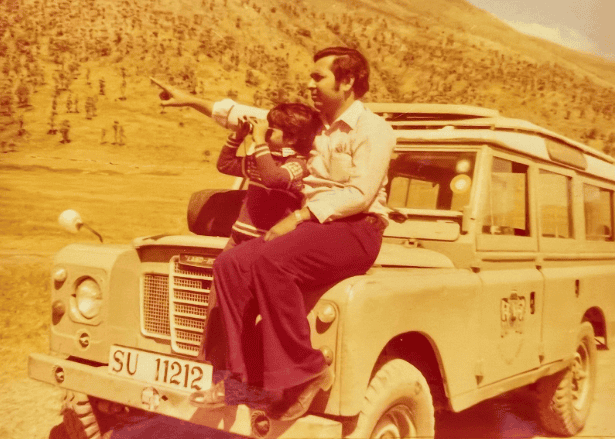
- Early Childhood in Tanzania: My father, a civil engineer, was stationed in Arusha, Tanzania, working under the United Nations and World Bank on infrastructure projects.
- Ages 5–10: Living with the Hadzabe Tribe near the Great Rift Valley, Lake Eyasi region, I spent five years immersed in one of the last hunter-gatherer cultures on Earth.
- Adolescence & Early 20s: I pursued medicine and became a radiologist, studying thousands of brain scans and internal images, discovering the patterns of modern stress and disease.
- Professional Practice: I began noticing a dramatic contrast between my patients’ health and the vitality of the Hadzabe.
- Creation of the Primal Health Design & Reset Framework: I combined ancestral wisdom with modern neuroscience, mitochondrial science, and circadian biology to unleash your primal intelligence.
The Hadzabe Tribe: One of the Last Hunter-Gatherers on Earth
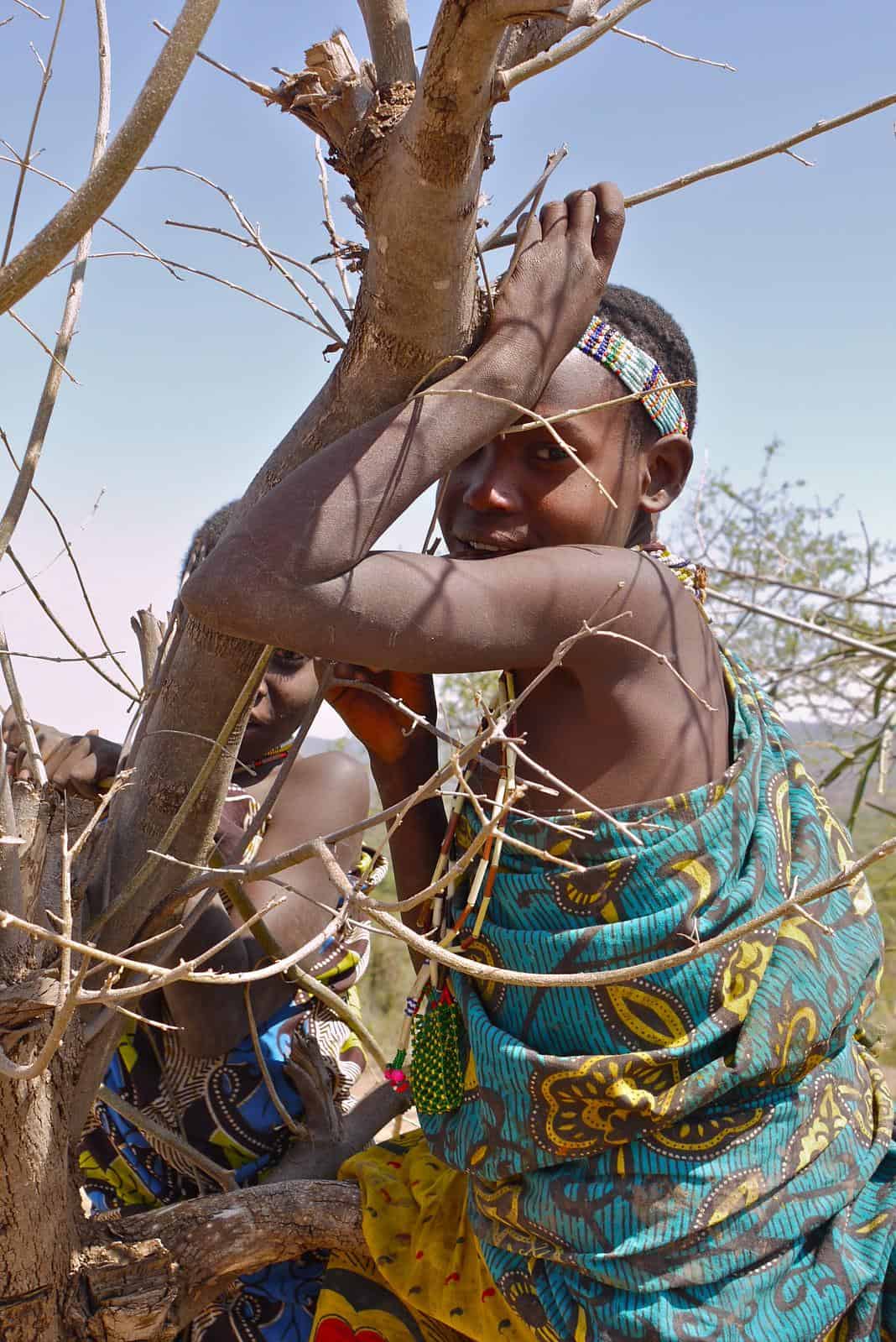
Photo Credit: Rita Willaert https://www.flickr.com/photos/rietje/
In the remote Lake Eyasi region of northern Tanzania, the Hadzabe tribe continues to live in one of the last surviving hunter-gatherer societies on the planet. Their homes are temporary grass shelters. Their tools are handmade. Their language contains ancient click consonants. And their lives unfold without the pressures of clocks, screens, or modern noise.
For generations, the Hadzabe have thrived through a profound harmony with nature, hunting with bows they carve themselves, gathering wild berries and tubers, and migrating with the seasons. They live in small, nomadic bands, not out of tradition alone, but because mobility, cooperation, and adaptability form the essence of their health.
Despite tourism, modernization, and rapid development around them, the Hadzabe remain one of the most primal living expressions of human ancestry: a window into how our bodies and biology were shaped over millennia.
In a modern world filled with processed food, fluorescent lights, and long hours spent at desks or on couches—where health is often outsourced to wearables, apps, and hacks—the Hadzabe offer something radically simple:
A life led by instinct, community, purpose, and connection.
Learn more about the Hadzabe’s cultural resilience at Altezza Travel and Visit Natives.
A Childhood Lived in Rhythm
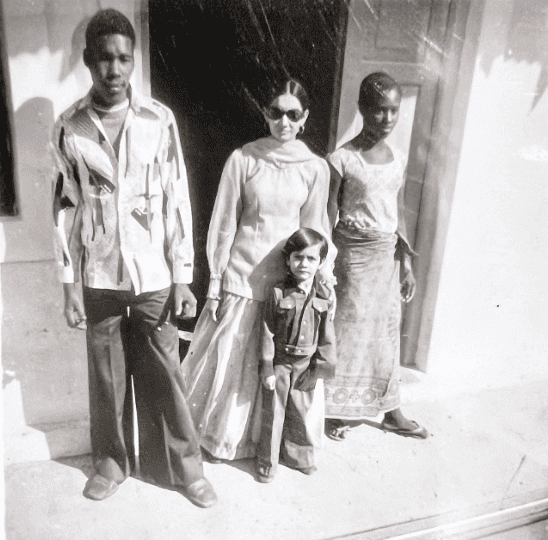
From age five to ten, I lived in Tanzania while my father worked there. During that time, my family developed relationships with members of the Hadzabe community. I was young enough to absorb their world without judgment, yet old enough to remember the striking contrast between their way of living and the Western lifestyle I had known.
I spent time learning how they gathered food, moved across the land, sat around fires, and related to one another. To them, life was not a series of tasks. It was a rhythm. Being immersed in that environment at such a young age shaped my understanding of what it means to live with energy, presence, and connection.
The Hadzabe’s resilience was visible. They experienced minimal chronic illnesses or degenerative disease, and they lived in deep, intuitive connection with the land and with each other. That experience made a lasting impression on me.
From Radiology to Ancestral Health
As I progressed through medical school and into neuroradiology, I began noticing patterns—ones that mirrored everything the Hadzabe instinctively avoided. Chronic inflammation, dysregulated stress, impaired energy metabolism. These weren’t just medical terms. They were signs of a world out of sync.
I saw it in brain scans clouded by stress. In spines worn down by stillness. In hormonal systems thrown off by artificial light, ultra-processed foods, and the always-on pace of modern life.
But even in the thick of my training, I couldn’t forget what I had witnessed years earlier: barefoot movement, firelight conversations, food gathered from the earth, and laughter shared across generations. The contrast was stark, and that contrast became the seed for what would later grow into Primal Health Design.
Coming from a long line of woodworkers, I’ve always seen the body as something designed: intelligently crafted, resilient, and beautiful. Just like a skilled craftsman reveals the beauty in a piece of wood by honoring its natural grain, I believe health must be approached in a way that works with the body’s original blueprint, not against it.
That belief is the foundation of Primal Health Design—a framework built on what I lived, studied, and now teach.
Purpose, Community, and the Hadzabe Way
One of the most powerful lessons I learned from the Hadzabe was how they embodied purpose. Everyone had a role. Not in a rigid, defined sense, but in a fluid, communal one. Children contributed. The elders shared their wisdom. Everyone was part of something bigger than themselves.
It mirrors what I now teach in my course, the Primal Reset Program, around Ikigai: the idea that purpose is not a luxury, it’s a biological necessity. The Hadzabe didn’t need therapy or productivity hacks. They lived inside a structure of belonging. That structure protected their physiology and extended their vitality.
Returning to What Works
Modern humans don’t need to return to a hunter-gatherer lifestyle. But we do need to reclaim the foundational rhythms that make health possible:
- Wake with the sun
- Move often, naturally
- Eat real, whole foods
- Spend time outside
- Sleep deeply, consistently
- Engage with purpose and community
These practices form the essence of The Primal Reset: a course built from my earliest memories, my medical expertise, and my drive to bring a new, yet ancient, model of health to people around the world.
You do not need to become a hunter-gatherer to benefit from these insights. You only need to remove the friction points that modern life has added.
Ready to Reclaim Your Health?
If you’re ready to stop chasing energy and start living in rhythm with your biology, I invite you to take the next step.
Explore the framework I developed from my time with the Hadzabe and 25+ years in medicine:
- Buy the book: Primal Health Design — A deep dive into the 7 ancestral paradigms that can restore your healthspan and vitality.
- Join the course: The Primal Reset Program — A step-by-step reset to help you implement these patterns into your daily life.
This is your invitation to come back to what your body always knew: balance, energy, and connection.