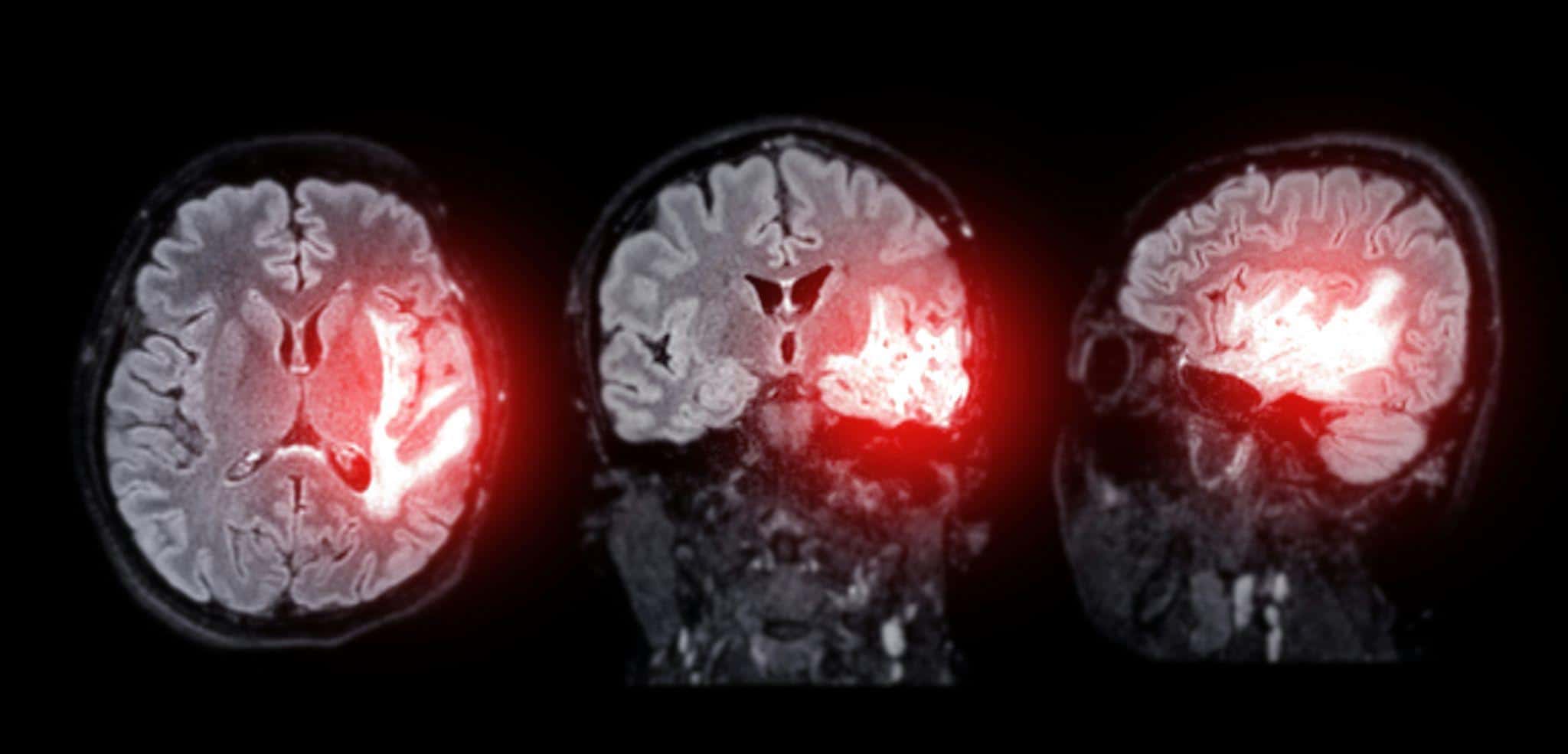
Key Takeaways
- Early signs of dementia often begin long before diagnosis
- Short term memory loss is one of the most common early signals
- Cognitive changes may start in young and middle adulthood
- Lifestyle factors such as stress, sleep, and attention patterns matter
- Cognitive reserve plays a critical role in long-term brain resilience
There is a quiet shift happening in how we understand dementia.
Not in how it ends.
But in how it begins.
We tend to think of dementia as something that appears later in life. A diagnosis in your 70s. A gradual loss of memory that feels sudden when it arrives.
But the brain does not work that way. By the time symptoms appear, the process has often been unfolding for years. Sometimes decades.
And what we call the early signs of dementia may not begin in old age at all. They may begin in the way we live much earlier.
What are the early signs of dementia?
The early signs of dementia include subtle changes in memory, attention, language, and behavior that interfere with daily life and develop gradually over time.
Dementia Does Not Begin When Memory Fails
As a neuroradiologist designing human durability, one pattern becomes clear over time:
The brain does not suddenly decline. It drifts.
Through subtle changes in neural networks, inflammation, blood flow, and energy metabolism. What we see on imaging is often the end result of a process that began years earlier.
This is not about fear. It is about awareness.
10 Early Signs of Dementia (And What They Reveal About the Brain)
1. Short Term Memory Loss That Disrupts Daily Life
Forgetting recently learned information or repeating the same questions.
This often reflects early changes in the hippocampus, the brain’s memory center.
2. Difficulty Completing Familiar Tasks
Struggling with routines like cooking or managing schedules.
This suggests reduced efficiency in executive function networks.
3. Problems with Language and Communication
Forgetting words or losing track of conversations.
Language processing regions may begin to lose coordination.
4. Disorientation in Time or Place
Losing track of dates or becoming confused in familiar environments.
This points to changes in spatial awareness and memory integration.
5. Impaired Judgment or Decision-Making
Making poor decisions or showing reduced awareness of consequences.
Often linked to frontal lobe function.
6. Difficulty with Abstract Thinking
Struggling with numbers, planning, or complex reasoning.
Higher-order cognitive processing becomes less efficient.
7. Misplacing Things Frequently
Placing items in unusual locations and being unable to retrace steps.
This goes beyond occasional forgetfulness.
8. Changes in Mood or Personality
Increased irritability, anxiety, or withdrawal.
Neurochemical shifts and network changes may drive this.
9. Loss of Initiative
Reduced motivation to engage in activities or social interactions.
Often reflects both neurological and emotional pathways.
10. Difficulty Understanding Visual or Spatial Information
Problems judging distance, reading, or recognizing objects.
This reflects changes in visual processing regions of the brain.
Why These Signs Are Appearing Earlier
Early cognitive strain is becoming more common, and it’s showing up earlier in life. The brain is carrying more load than it was designed for. You might notice this as mental fatigue at the end of the day, losing your train of thought mid-conversation, or reading something and realizing nothing stayed with you. Focus feels shorter, memory feels less reliable, and clarity can fluctuate throughout the day.
These shifts are easy to dismiss because they’ve become so common. But they reflect something real.
The systems that support attention, memory, and processing are being used differently, often under constant demand. Over time, that demand begins to shape how the brain functions. Small changes, repeated daily, start to compound, influencing the trajectory of cognitive health long before any diagnosis is made.
Modern contributors include:
- Chronic stress and elevated cortisol
- Poor sleep and reduced brain waste clearance
- Metabolic dysfunction and insulin resistance
- Constant digital stimulation and fragmented attention
The “iPad Generation” and Attention Fragmentation

Increasingly, we are seeing early patterns of cognitive inefficiency in younger populations.
Shortened attention spans. Reduced memory retention. Constant stimulation.
What is often described as the “iPad generation” reflects a deeper neurological shift.
The brain adapts to what it repeatedly experiences. When that repetition is fragmented, attention weakens. Constant switching between tasks and information makes it harder to stay with one thought long enough to fully process it, so focus becomes shorter and easier to disrupt.
Memory depends on attention. If something isn’t fully processed, it isn’t fully stored. Information is seen but not retained. Over time, this creates the experience of forgetfulness, when the memory was never deeply formed to begin with.
Short Term Memory Loss in Younger Adults
More young adults are asking questions like:
- Why am I forgetting things so easily?
- Why can’t I focus like I used to?
These concerns often show up as:
- Brain fog
- Difficulty focusing
- Forgetting tasks or conversations
- Reliance on devices for memory
This is not dementia. But it may reflect early inefficiency in the same systems that determine long-term cognitive health.
Diet, Sweeteners, and Brain Health
Nutrition plays a role in cognitive function.
Emerging evidence suggests:
- Diets high in ultra-processed foods may increase inflammation
- Artificial sweeteners may be associated with metabolic and cognitive changes
- Whole foods support neuronal health
There is growing interest in simple solutions, including foods like honey for memory loss.
But brain health is not built on a single ingredient. Brain health is built through patterns you repeat daily.
Cognitive Reserve: The Brain’s Protective Buffer
Not everyone with brain changes develop dementia.
The difference is cognitive reserve.
Cognitive reserve is built through:
- Learning and intellectual challenge
- Physical movement
- Social connection
- Sustained attention
Early Signals vs Later Disease
| Early Cognitive Signals | Later-Stage Dementia |
|---|---|
| Occasional forgetfulness | Persistent memory loss |
| Attention fragmentation | Inability to complete tasks |
| Brain fog | Disorientation and confusion |
| Reduced focus | Loss of independence |
| Mild behavior changes | Significant personality shifts |
How to Support Long-Term Brain Health
Your brain is adaptable. Evidence suggests these habits may support resilience:
- Regular movement and exercise
- Consistent, high-quality sleep
- Whole-food, nutrient-dense diet
- Attention training and reduced distraction
- Strong social relationships
- Lifelong learning and mental challenge
Your Brain Is Being Shaped by What You Do Every Day
Dementia does not begin when memory fails. It begins earlier, shaped by how you focus, how you sleep, and how you live each day. Over time, these patterns influence the systems that support memory, clarity, and long-term brain health.
The question is how your daily choices shape your ability to think and remember over time. What you do consistently matters.
If you’re ready to go deeper, explore the science and philosophy of long-term brain health in my award-winning book, Primal Health Design, or begin applying these principles directly through the Primal Reset Program.
What you build today is what you’ll rely on later.
The neuroradiologist designing human durability
Frequently Asked Questions
Q. Is short term memory loss always dementia?
A: No. It can be related to stress, sleep, or attention patterns. Persistent changes should be evaluated.
Q: Can young people experience early cognitive decline?
A: Yes. Lifestyle and environmental factors may influence brain function earlier than expected.
Q: Can too much screen time affect your memory and focus?
A: There is no direct evidence that screens cause dementia. However, excessive stimulation may affect attention and memory over time.