Key Takeaways
- To be in the present, your nervous system must feel regulated and safe
- Stress and anxiety brain fog often drive subtle disconnection
- Multitasking and scrolling condition a chronic lack of presence
- AI runs on data. You run on attention
Why So Many High Achievers Struggle to Be in the Present
If you’ve been trying to be in the present but still feel disconnected, you’re not alone.
You start tasks and don’t finish them.
You scroll to relax, yet feel mentally noisier afterward.
You sit in conversations and realize your mind drifted.
Nothing catastrophic is wrong. But something feels thin.
As a board-certified neuroradiologist with over two decades studying the brain, I can tell you this: being present in the moment is not simply a mindset. It is a biological state.
Presence requires metabolic energy, regulated stress chemistry, and protected attention. When those systems drift, you don’t collapse. You continue functioning. But depth decreases.
That quiet erosion is what many people describe as a lack of presence.
What Does It Mean to Be Present?
Being present in the moment means your attention, physiology, and environment are aligned. Your thoughts aren’t racing, your body isn’t tense, and your attention isn’t split. Everything is working together instead of pulling in different directions.
Your prefrontal cortex is engaged. Your cortisol rhythm is stable. Your nervous system is not braced in low-grade vigilance.
When stress accumulates, the brain reallocates energy toward monitoring and away from immersion. You may feel:
- Mild forgetfulness
- Emotional flattening
- Difficulty completing tasks
- A persistent sense of disconnection
This is often labeled as “brain fog.” In many cases, it is stress and anxiety brain fog driven by subtle dysregulation of cortisol and autonomic tone.
The brain is protecting itself. But in doing so, it sacrifices depth.
Why Multitasking Creates a Chronic Lack of Presence

Modern culture rewards responsiveness.
Notifications interrupt mid-thought.
Tabs remain open.
Conversations compete with devices.
Each time you switch tasks, your brain must reload context. That reloading consumes glucose and oxygen. Over time, chronic switching trains the nervous system to remain in scanning mode rather than immersive mode.
Your brain is designed to scan constantly when something feels unsafe. The problem is, when multitasking trains it to stay in that mode all day, it becomes harder to fully settle into anything.
You may feel productive, but internally, fragmentation becomes your baseline.
You Scroll to Relax, but Your Nervous System Stays Activated
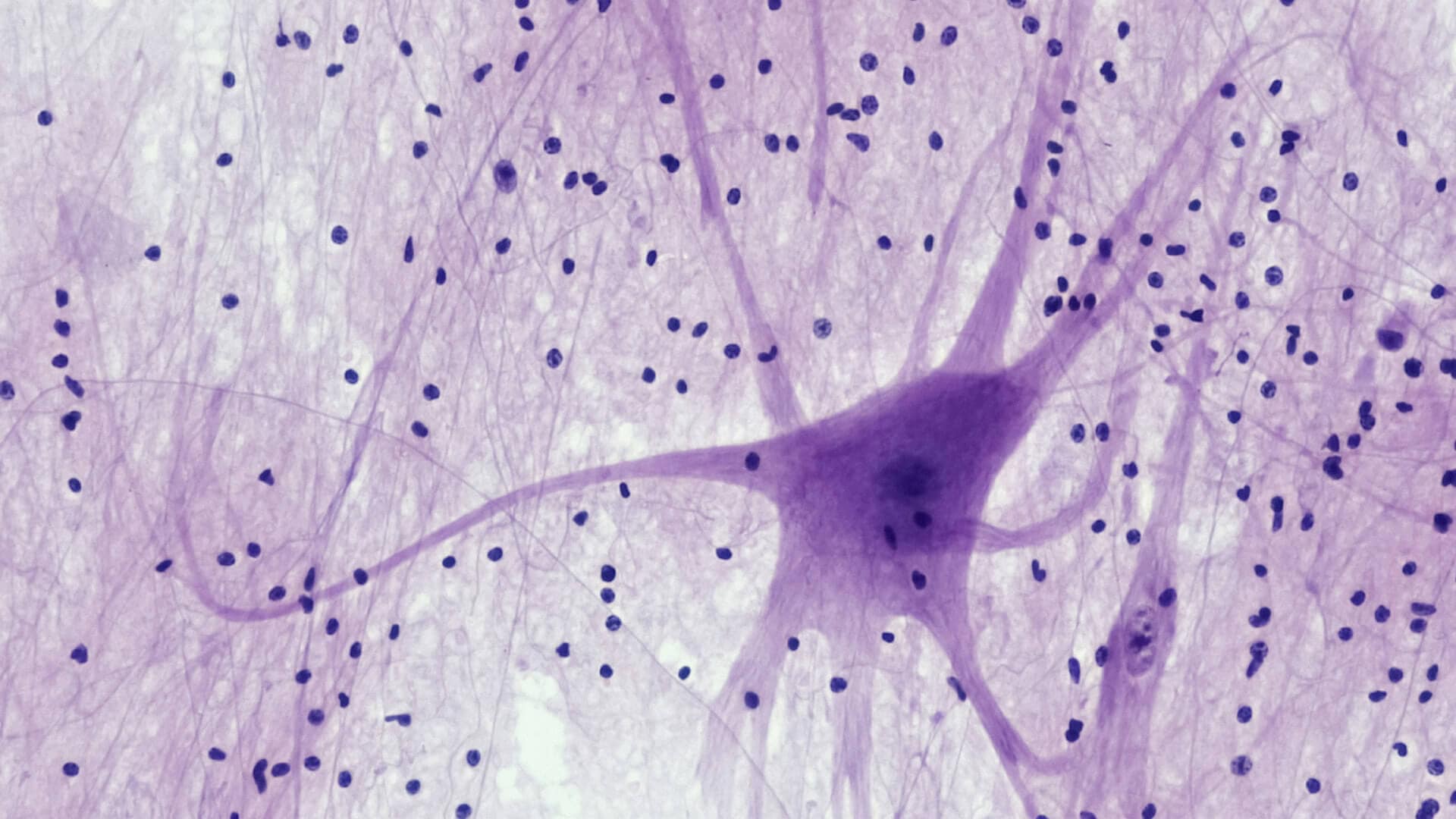
Doom scrolling feels passive. Neurologically, it is stimulating.
Every new image, headline, or notification gives your brain a small dopamine hit. The brain continues evaluating, comparing, anticipating. Instead of downregulating, the nervous system remains subtly engaged.
True restoration requires parasympathetic dominance. Slower breathing. Reduced input. Predictable rhythm.
When evenings are saturated with digital stimulation, the system never fully settles. You may not feel dramatically tired the next day, just a little less steady.
A little less clear.
And when that repeats every night, the effect builds over time.
We need to stop before it gets worse.
What Is the 3-3-3 Rule for Stress?
The 3-3-3 rule is a short grounding technique used for acute anxiety.
You identify:
- Three things you see
- Three things you hear
- Three parts of your body you move
This redirects attention to sensory awareness and interrupts rumination. It can help during moments of heightened stress.
However, grounding techniques are temporary resets. If stress and anxiety brain fog are persistent, structural rhythm matters more than isolated exercises.
Presence is rebuilt through daily regulation, not occasional interruption.
AI Runs on Data. You Run on Attention.
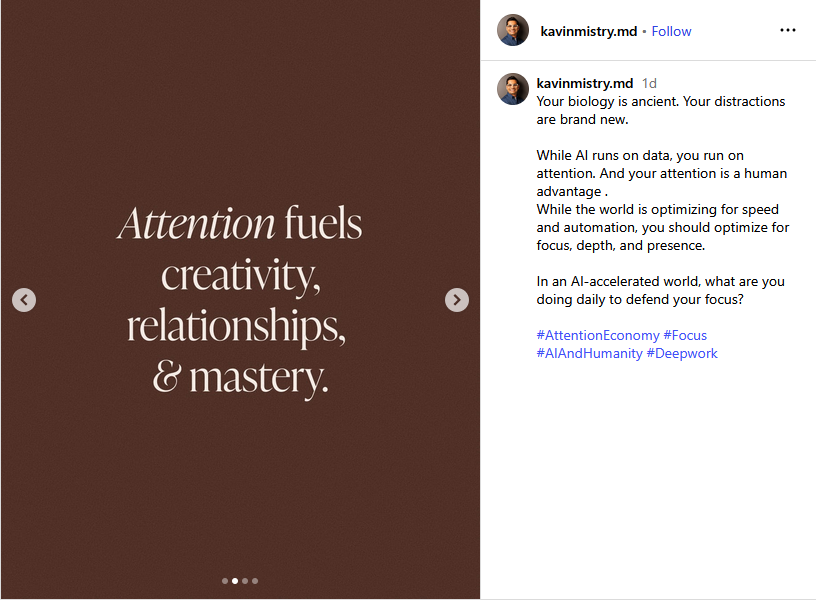
In the AI era, this distinction becomes critical.
Artificial systems scale through data processing. Humans create meaning through sustained attention. When attention fragments, identity begins to thin.
You respond more.
You integrate less.
I explored this connection between stress, alignment, and presence more here.
Presence is not passive awareness. It is the outcome of biological alignment.
7 Science-Backed Ways to Be in the Present

These practices work because they support how your brain and body are actually wired.
1. Stabilize Your Sleep Timing
Inconsistent sleep disrupts cortisol rhythms and amplifies stress reactivity.
2. Get Morning Light Exposure
Natural light within 30 minutes of waking anchors circadian rhythm and supports hormonal balance.
3. Reduce Simultaneous Digital Inputs
One screen. One conversation. One task. Train immersion deliberately.
4. Replace One Scrolling Session Daily
Swap 15 minutes of passive scrolling for a quiet walk or stillness.
5. Practice Slow Nasal Breathing
60–90 seconds of slow breathing between transitions recalibrates autonomic tone.
6. Use the 3-3-3 Rule During Acute Stress
Ground yourself when overwhelmed, but pair it with structural lifestyle regulation.
7. Protect Morning and Evening Bookends
The first and last hour of your day anchors your nervous system. Guard them.
Consistency restores integration. Intensity is unnecessary.
Presence Is Designed, Not Discovered
If you feel disconnected despite doing everything right, consider that your system may simply be overstimulated.
Stress and anxiety brain fog create distance between you and your own experience. Multitasking trains fragmentation. When you’re constantly stimulated, it becomes harder to sink deeply into anything.
To be in the present is to create biological conditions where your nervous system feels safe enough to settle.
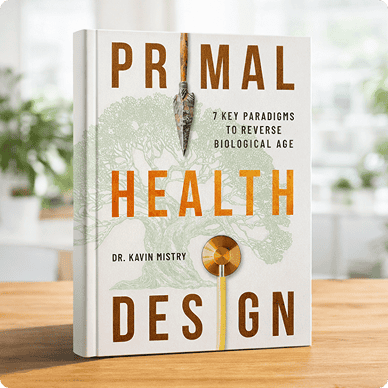
In my book, Primal Health Design, I outline the Seven Paradigms that reconnect Earth, Body, Food, Mind, Purpose, Community, and Cosmos into one integrated healthspan framework.
If you are ready to move from functioning to fully inhabiting your life:
- Begin with my Free Primal Reset Mini Series, designed as a guided entry point into rebuilding rhythm and presence. After trying out the mini series, begin the full Primal Reset Program, as a journey to better your life.
The Primal Reset Program is a course I created that translates those principles into structured daily rituals that restore rhythm, regulation, and presence.
Your experience of life is shaped by where your attention lives.
In an age optimized for speed, depth may be your greatest advantage.
FAQ on Being in the Present
Q. What does it mean to be in the present?
A: To be in the present means your attention, body, and environment are aligned in the same moment. Neurologically, it reflects a regulated nervous system and integrated cognitive processing rather than fragmented attention.
Q: Why do I struggle to stay present?
A: Chronic stress, multitasking, poor sleep, and constant digital stimulation can dysregulate cortisol and fragment attention. This often leads to a subtle but persistent lack of presence.
Q: Can stress cause difficulty being present?
A: Yes. Stress and anxiety brain fog can interfere with prefrontal cortex function, making it harder to sustain immersion and emotional depth.
Q: Is doom scrolling affecting my ability to be present?
A: Excessive scrolling keeps the nervous system mildly activated. While it may feel relaxing, it often prevents true parasympathetic recovery, which supports being present in the moment.
Q: How can I start improving presence today?
A: Begin with sleep consistency, morning light exposure, reduced multitasking, and brief breathing resets between tasks. Presence improves when stress physiology stabilizes.