The importance of community has never been greater.
Despite being more connected through technology than at any point in human history, many people feel increasingly isolated. Loneliness, burnout, and chronic stress have become common features of modern life, even among those who appear successful on the surface.
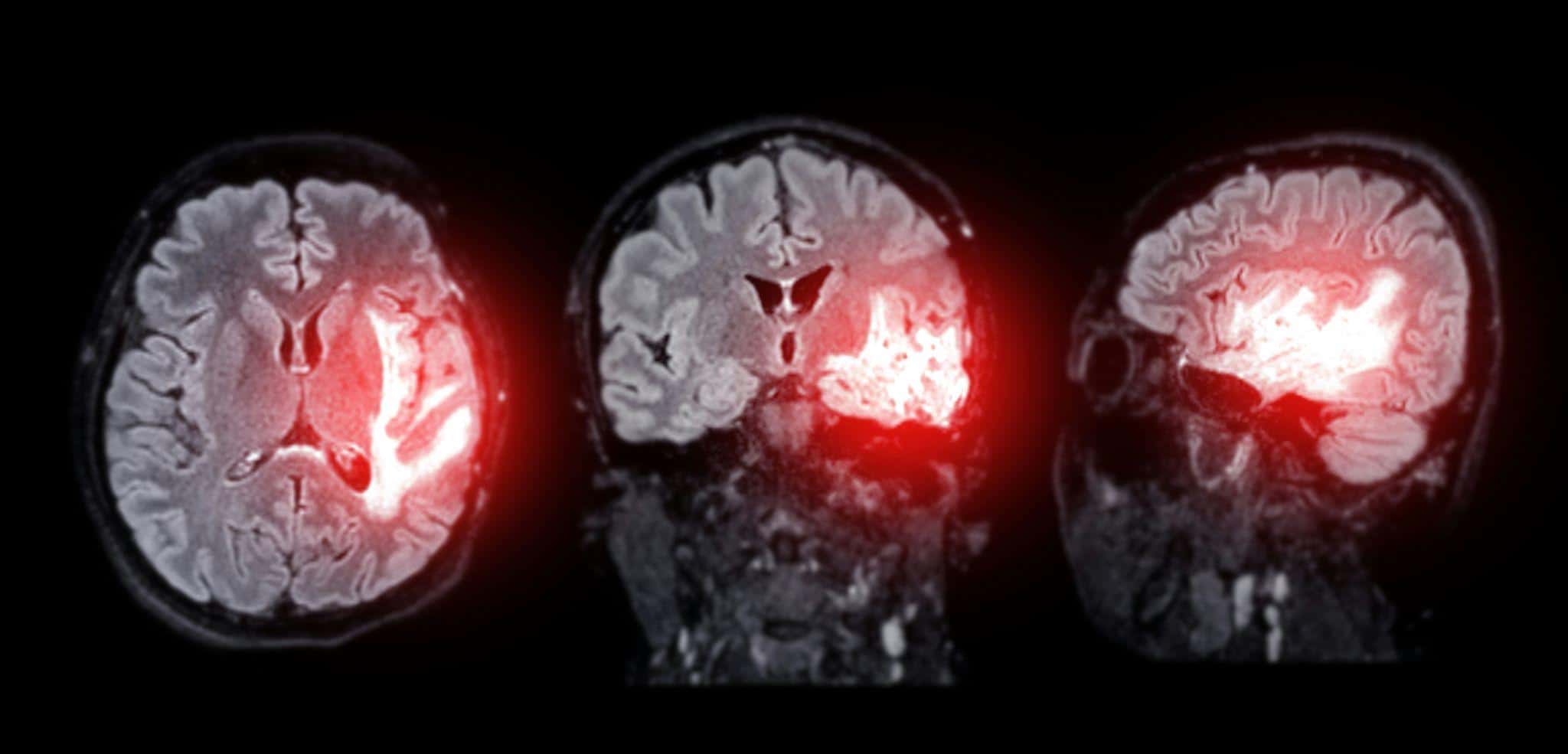
As a board-certified neuroradiologist, I’ve spent more than two decades studying the human brain. After reviewing more than 300,000 brain scans throughout my career, one pattern continues to stand out.
The people who age well rarely do it alone.
They stay connected.
They invest in relationships.
They find their tribe.
This observation aligns with what science continues to show. Research from the Harvard Study of Adult Development, one of the longest-running studies of human health and happiness, found that strong relationships are among the strongest predictors of long-term well-being and life satisfaction.
In Primal Health Design, Community is one of the Seven Paradigms because human beings are biologically designed for connection, belonging, and shared purpose. We are wired for tribes. When those connections weaken, our health often suffers. When they strengthen, we tend to thrive.
Key Takeaways
-
Community is a biological need, not simply a social preference
-
Strong social relationships are associated with better cognitive and emotional health
-
Interacting with people helps regulate stress and supports brain function
-
Meaningful relationships may contribute to resilience and healthy aging
-
Finding your tribe may be one of the most powerful healthspan strategies available
The 5 Benefits of Community at a Glance
| Benefit | Why It Matters |
|---|---|
| Belonging | Creates emotional safety and connection |
| Stress Reduction | Supports nervous system regulation |
| Brain Health | Builds cognitive reserve |
| Purpose | Creates meaning and motivation |
| Healthy Aging | Supports long-term vitality |
What Is the Importance of Community?
The importance of community lies in its ability to fulfill one of humanity’s most fundamental biological needs: belonging.
For most of human history, survival depended on tribes, families, and social groups. Humans evolved to cooperate, communicate, and rely on one another. While modern society has changed dramatically, our biology has not.
Today, many of the health challenges we face are often discussed through the lens of diet, exercise, sleep, or medication. Yet social connection may be just as important.
In 2023, the U.S. Surgeon General identified loneliness and social isolation as a major public health concern, citing evidence that inadequate social connection is associated with increased risks for poor physical and mental health outcomes.
Community is not simply about having people around you.
It is about belonging to something meaningful.
What the Hadzabe Tribe Taught Me About Community
My understanding of community comes from more than neuroscience and medicine. It was shaped by my experience growing up among the Hadzabe tribe in East Africa, one of the last remaining hunter-gatherer societies in the world.
What stood out most wasn’t their environment or daily routines. It was their deep sense of connection. Meals were shared, knowledge was passed between generations, and individuals were supported by the collective. People belonged to something larger than themselves.
Years later, after reviewing more than 300,000 brain scans, I continue to see the same lesson emerge: human beings are wired for connection. Many of the health challenges we face today may stem not from a lack of information, but from a lack of belonging.
If you’d like to learn more about the lessons I learned from the Hadzabe, read our article on Growing Up with the Hadzabe Tribe.
Why Does Community Matter for Brain Health?
Community matters because the brain does not function in isolation.
Every meaningful interaction challenges the brain to process information, interpret emotion, retrieve memories, communicate effectively, and build understanding. In many ways, social connection acts as a workout for the brain.
Research suggests social relationships may support cognitive reserve, the brain’s ability to adapt and maintain function as we age. Strong social connections have also been associated with better cognitive performance, emotional resilience, and lower levels of perceived stress.
Some studies have found that social isolation is associated with an increased risk of cognitive decline and dementia, while individuals with stronger social networks often demonstrate better cognitive outcomes as they age.
While no single factor determines how well someone ages, meaningful relationships consistently appear among the strongest predictors of long-term well-being.
How Social Relationships Support Cognitive and Mental Health
The importance of community extends beyond emotional well-being.
Strong social relationships may support cognitive performance by encouraging communication, memory, learning, and emotional regulation. Meaningful interactions challenge the brain to stay engaged while helping people navigate stress, uncertainty, and major life transitions.
Research has also linked social connection to lower rates of loneliness, which is increasingly recognized as a significant health concern. Some studies suggest that loneliness may increase the risk of depression, anxiety, and cognitive decline, particularly in older adults.
Healthy relationships provide more than companionship.
They provide perspective.
They provide support.
They provide resilience.
In many ways, social connection functions as a protective factor for both mental and cognitive health.
What Are the Five Benefits of Community?
1. Community Creates Belonging
Humans need to feel seen, valued, and accepted.
Belonging provides emotional safety and reinforces a sense of identity. It reminds us that we are part of something larger than ourselves.
Without belonging, even achievement can feel hollow. With belonging, people often experience greater confidence, resilience, and fulfillment.
2. Community Helps Regulate Stress
One of the most important benefits of a community is its ability to buffer stress.
Supportive relationships provide encouragement, perspective, and reassurance during difficult periods. People who feel connected often report lower levels of perceived stress and greater emotional resilience.
This matters because chronic stress affects sleep, energy, focus, decision-making, and overall health.
3. Community Supports Brain Health
Meaningful conversations challenge memory, language, empathy, and problem-solving skills.
The brain thrives when it remains socially and intellectually engaged. Regular interaction creates opportunities for continued mental stimulation throughout life.
Community keeps the brain active.
4. Community Strengthens Purpose
Purpose often grows through contribution.
Whether supporting family members, mentoring others, volunteering, or serving a larger cause, community helps people connect their daily actions to something meaningful.
Purpose gives direction to life.
Community gives purpose a place to grow.
5. Community May Support Healthy Aging
Many conversations about longevity focus on exercise, nutrition, sleep, and supplements.
These factors matter.
But healthy aging is also relational.
People who remain socially connected often report greater life satisfaction, stronger resilience, and higher levels of engagement as they age. Some research suggests that social relationships may influence longevity to a degree comparable with many traditional health behaviors.
The healthiest years of life are often built not only through personal habits, but through meaningful relationships.
Examples of Community in Everyday Life

When people hear the word community, they often think of a neighborhood.
In reality, examples of community exist almost everywhere.
Examples of community include:
• Family and extended family
• Close friendships
• Faith communities
• Volunteer organizations
• Professional networks
• Sports teams
• Wellness communities
• Mastermind groups
• Local service organizations
• Support groups
The strongest communities are not necessarily the largest. They are the ones built on trust, shared values, mutual support, and genuine connection.
Why Finding Your Tribe Matters More Than Ever
Modern culture celebrates independence. There is value in self-reliance. But humans were never designed to do life alone. One of the central ideas within Primal Health Design is that tribe is not a luxury. It is part of our biological blueprint.
We thrive when we belong.
We thrive when we contribute. We thrive when we feel connected to people who share our values and support our growth.
This is why Community sits alongside Earth, Body, Food, Mind, Purpose, and Cosmos as one of the Seven Paradigms of Primal Health Design.
Connection is not a soft skill.
It is part of our human design.
The Importance of Community Starts With Finding Your Tribe
After reviewing hundreds of thousands of brain scans, one lesson continues to stand out.
The people who age well stay connected.
They invest in relationships.
They contribute to something larger than themselves.
They find their tribe.
The importance of community is not simply about having people around you. It is about creating meaningful connections that support your health, purpose, resilience, and longevity.
That belief sits at the heart of Primal Health Design.
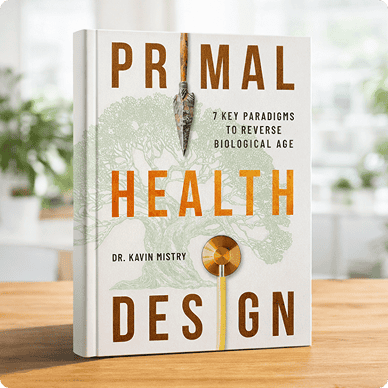
Through the book, you’ll discover the Seven Paradigms that help reconnect you with how humans are designed to thrive. Through the Primal Reset Program, you’ll go one step further by joining a community of like-minded individuals committed to improving their healthspan, vitality, and overall well-being.
Inside the Primal Reset platform, participants can share insights, reflections, challenges, and breakthroughs throughout the journey. You’ll learn directly from Dr. Kavin Mistry while engaging with others who are walking a similar path toward better health and greater alignment.
Because transformation is rarely a solo journey.
The strongest changes often happen when we learn, grow, and evolve alongside others.
If you’re ready to improve your healthspan, strengthen your relationships, and build a life rooted in connection and purpose, explore Primal Health Design and join the Primal Reset community today.
Your tribe may be one of the most powerful health investments you’ll ever make.
FAQ
Q: Why is community important?
A: Community provides belonging, emotional support, accountability, and purpose. These factors contribute to resilience, well-being, and long-term health.
Q: What are the benefits of community?
A: Meaningful conversations challenge memory, language, empathy, and problem-solving skills.
The brain thrives when it remains socially and intellectually engaged. Regular interaction creates opportunities for continued mental stimulation throughout life.
Community keeps the brain active.
Q: Does interacting with people help brain health?
A: Research suggests meaningful social interaction supports cognitive engagement, emotional regulation, communication skills, and overall brain function.
Q: Can community help healthy aging?
A: Strong social relationships are consistently associated with better health outcomes, greater resilience, and improved quality of life as people age.
Resources
Harvard Study of Adult Development:
https://adultdevelopmentstudy.org/
U.S. Surgeon General Advisory on Social Connection:
https://www.hhs.gov/sites/default/files/surgeon-general-social-connection-advisory.pdf